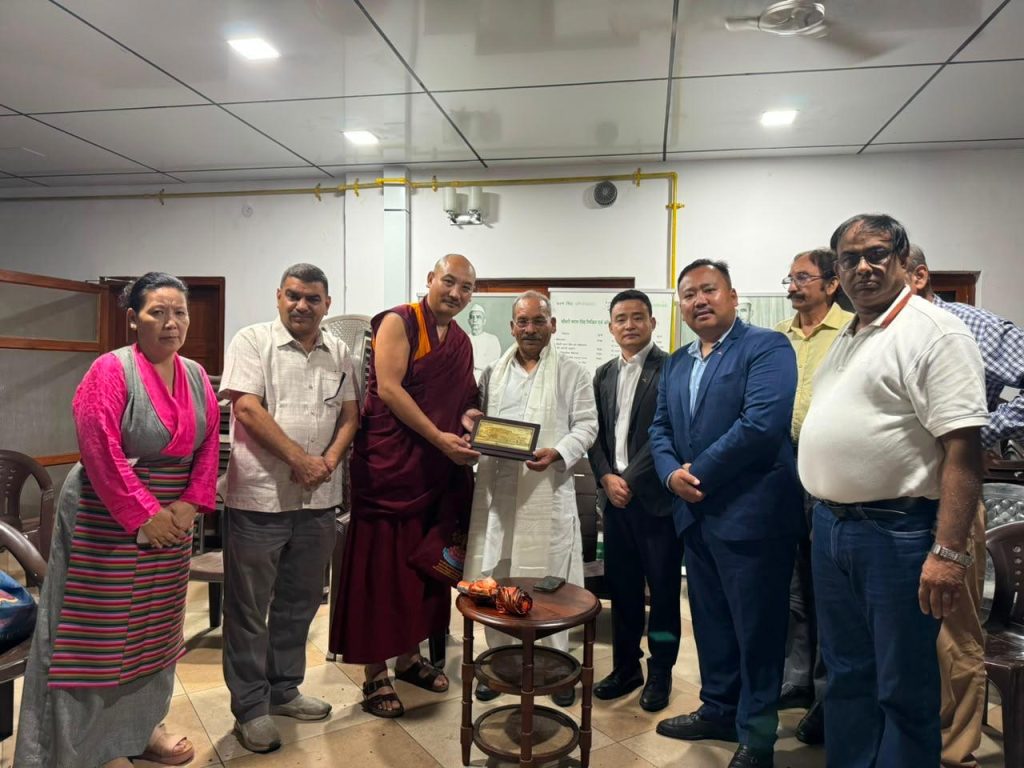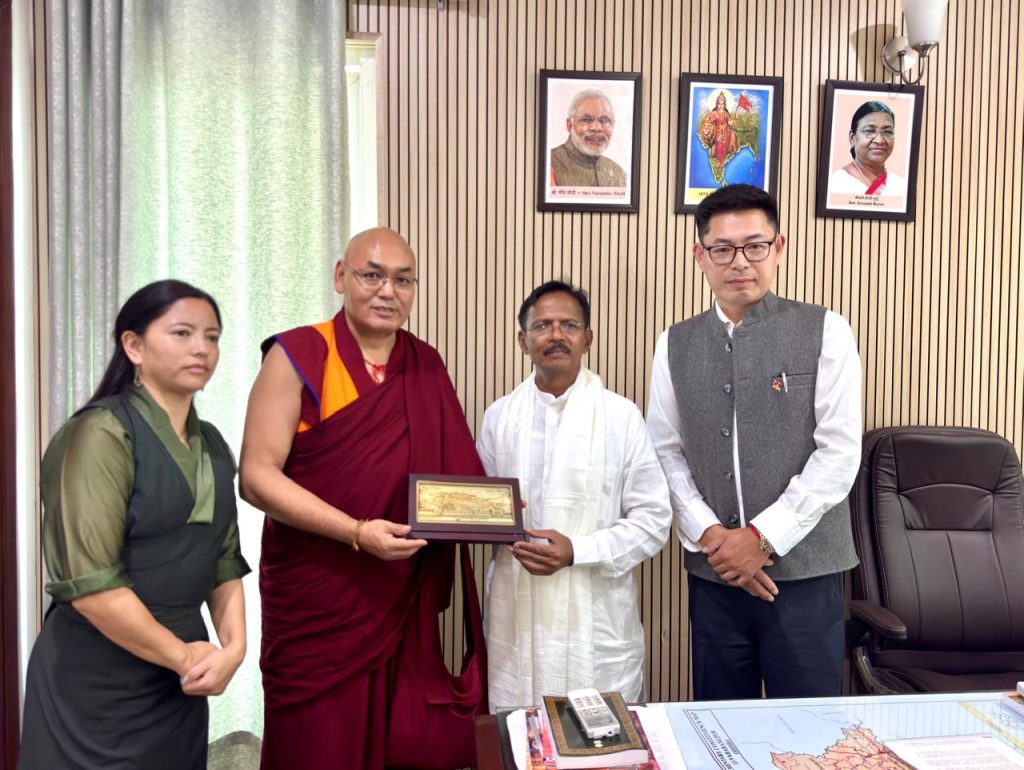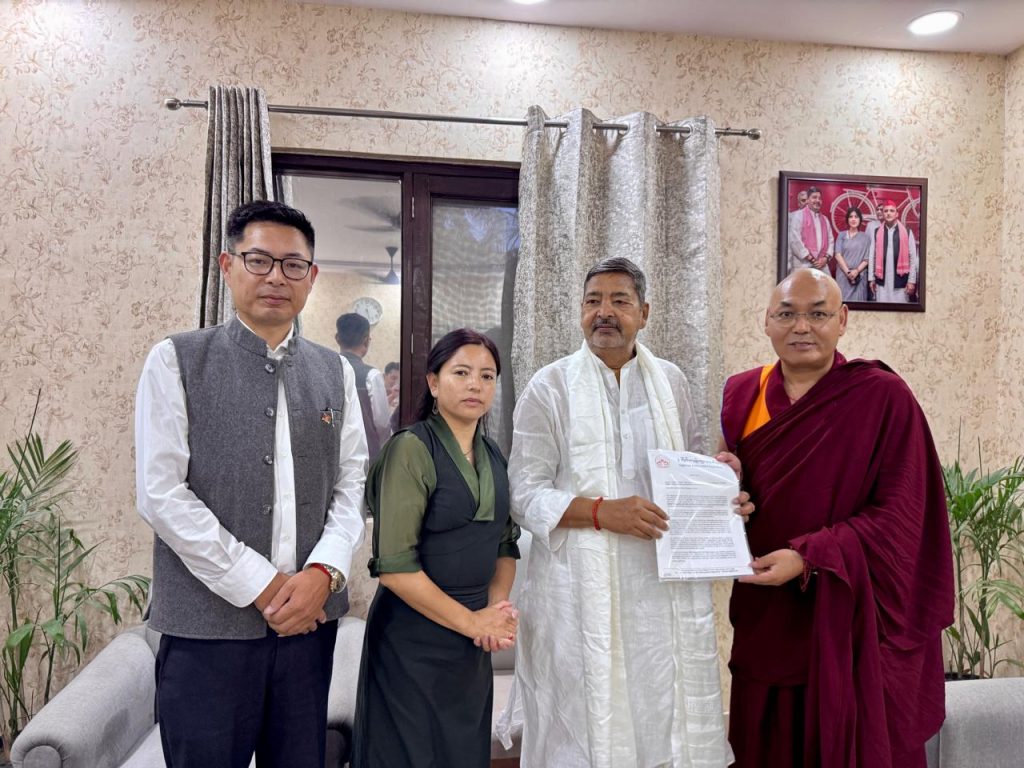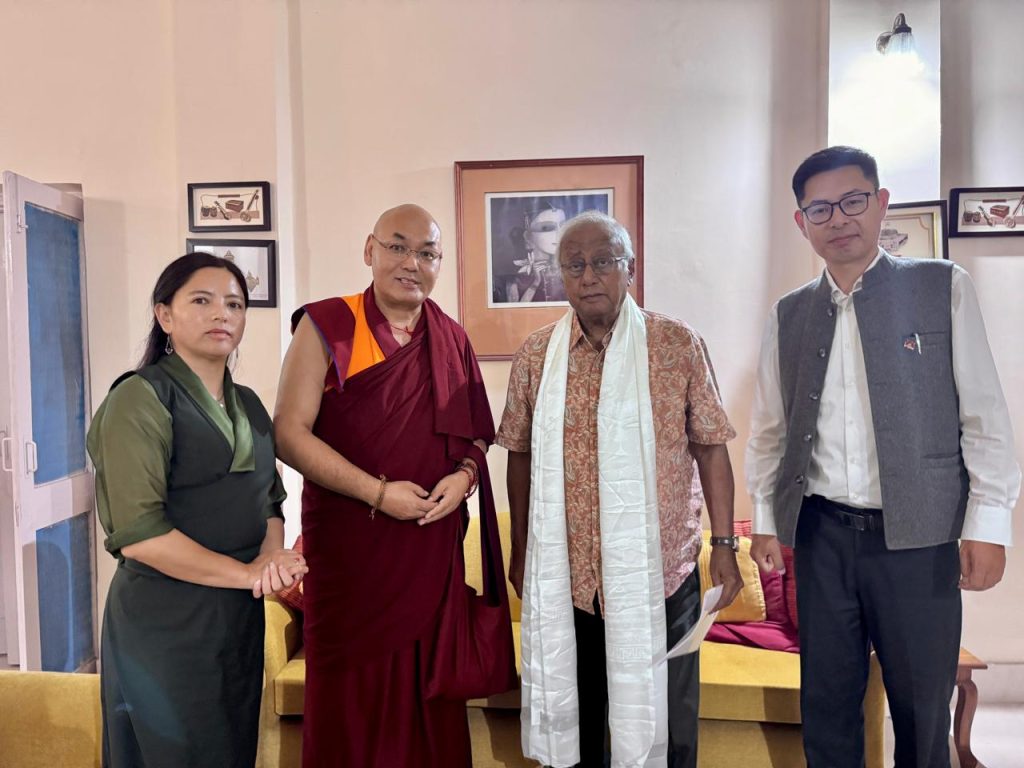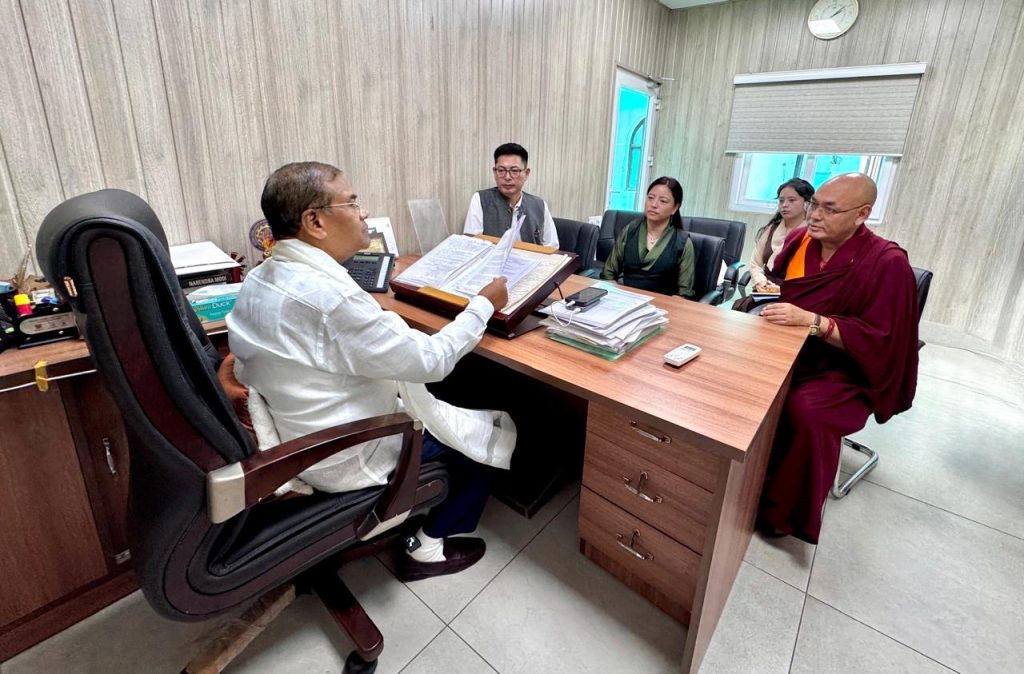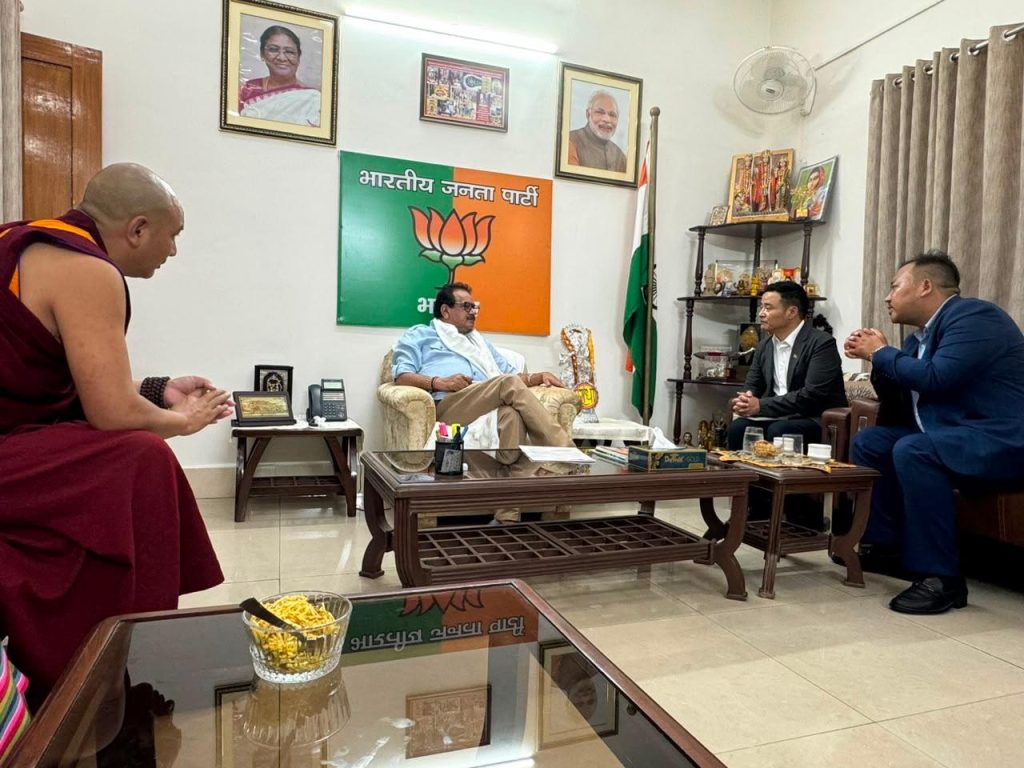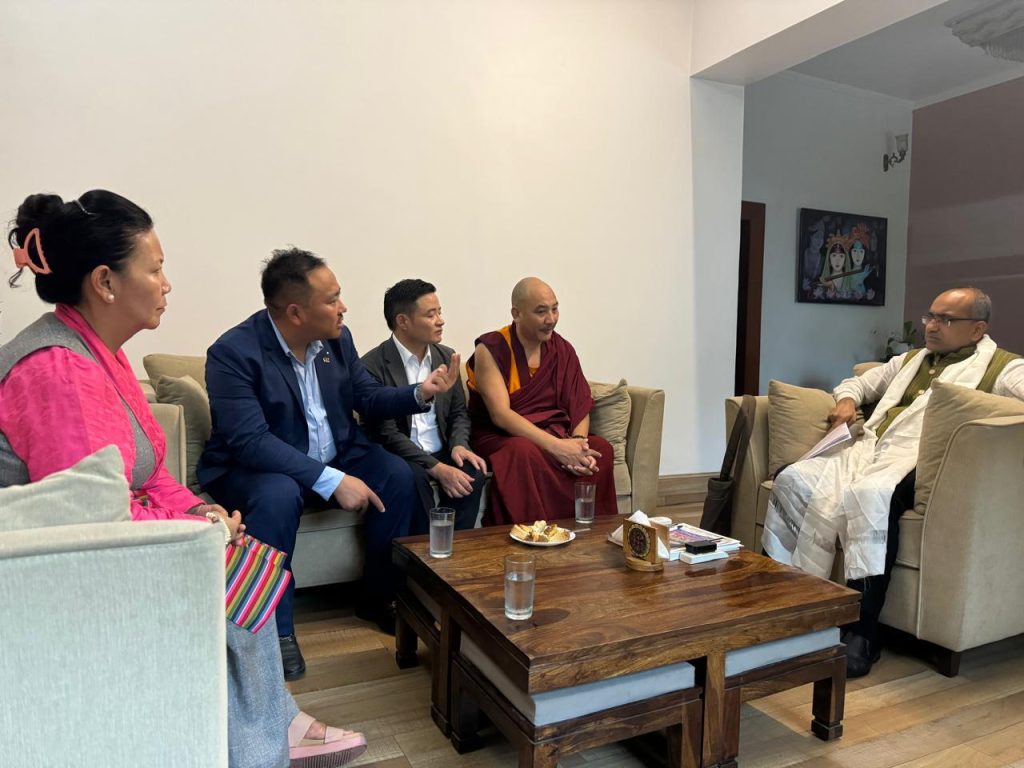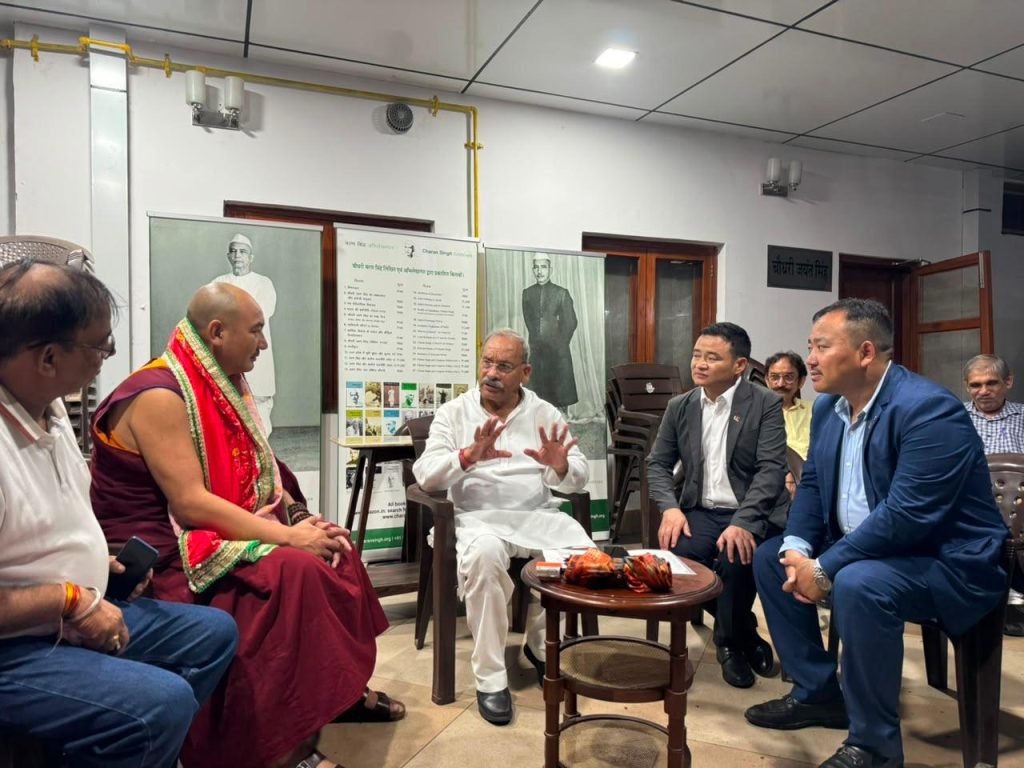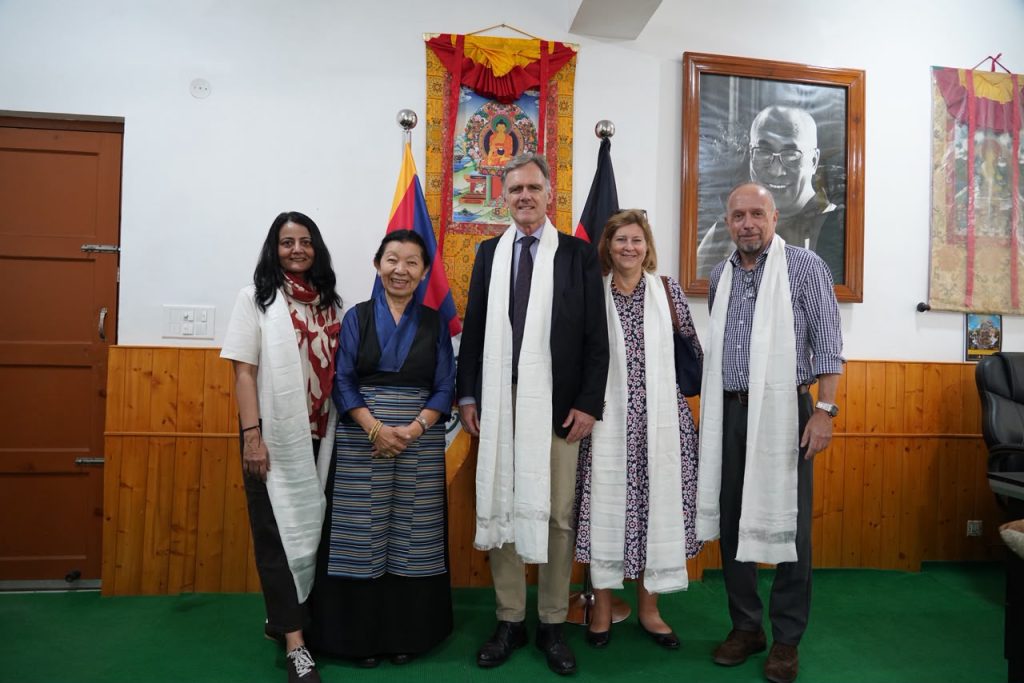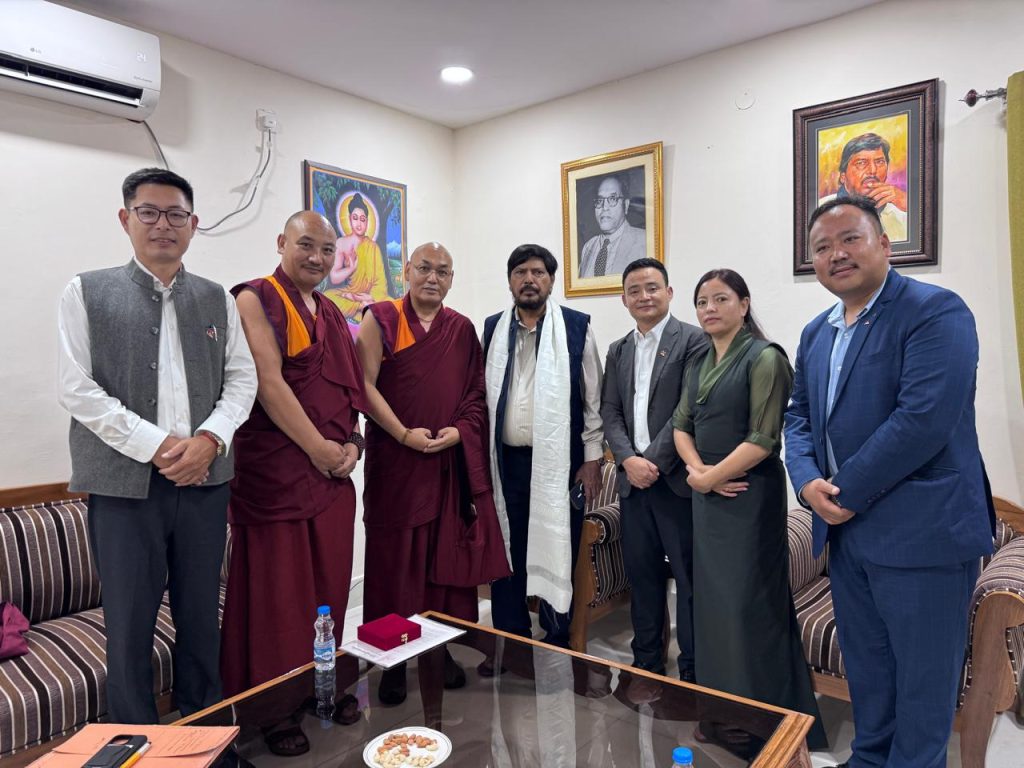
New Delhi: A delegation of the Tibetan Parliament-in-Exile, led by Deputy Speaker Khenpo Sonam Tenphel and comprising Standing Committee members Lopon Thupten Gyaltsen, Lobsang Thupten Pontsang, Choedak Gyatso, Gonpo Dhundup, and Gyaltsen Choekye Gagya, commenced parliamentary advocacy campaign in India’s capital, New Delhi on 27 July 2026.
With the Monsoon Session of the Indian Parliament underway, the Tibetan Parliament-in-Exile’s delegation divided into two groups seeks to draw the attention of Members of Parliament to the People’s Republic of China’s Ethnic Unity and Progress Law, which came into force on 1 July 2026. The delegation highlighted that the legislation provides a legal framework for accelerating the assimilation of Tibetans, Uyghurs, Southern Mongolians, and other non-Han nationalities into a single state-defined identity at the expense of their distinct languages, religions, cultures, and historical identities.

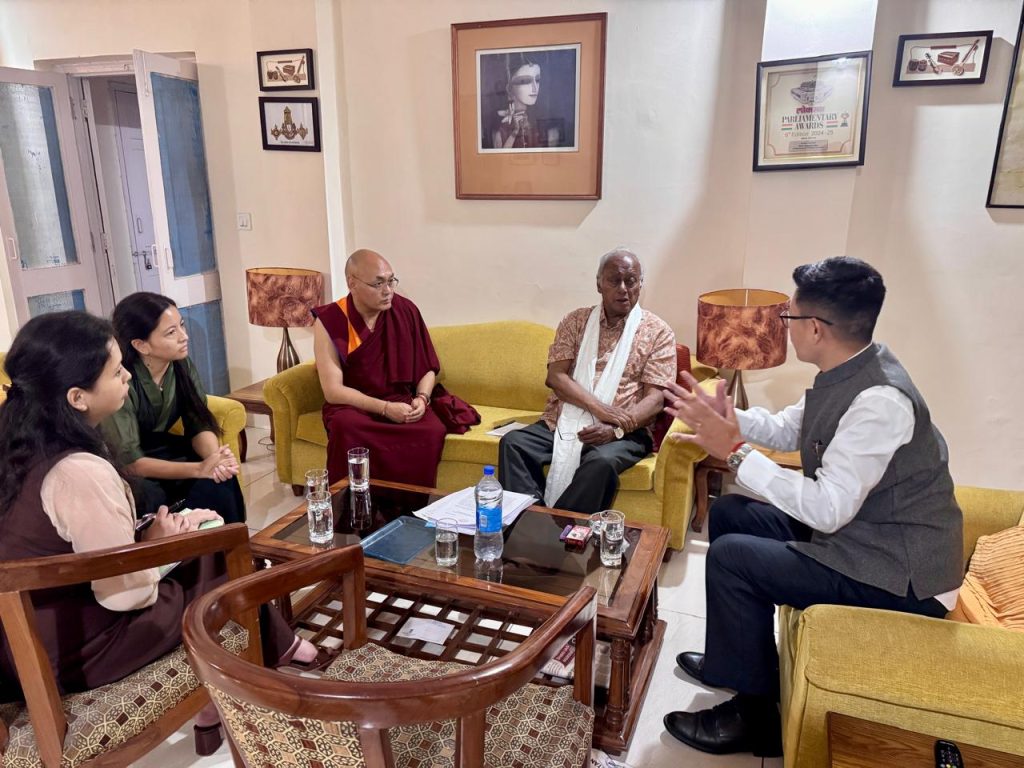
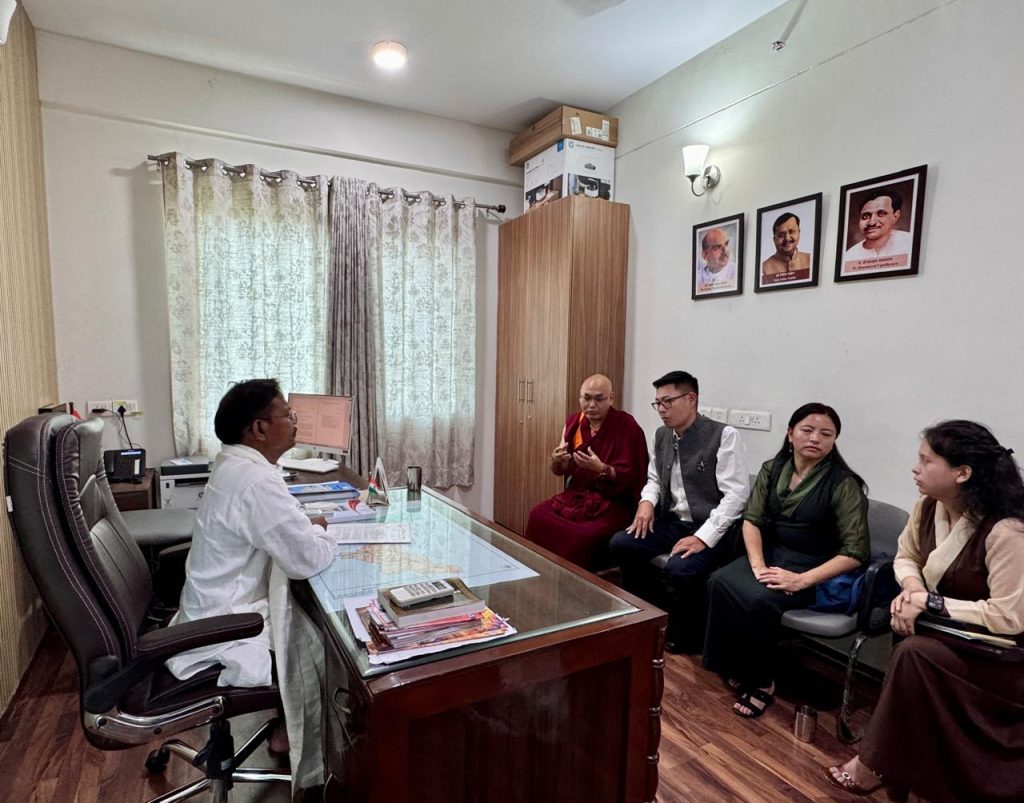
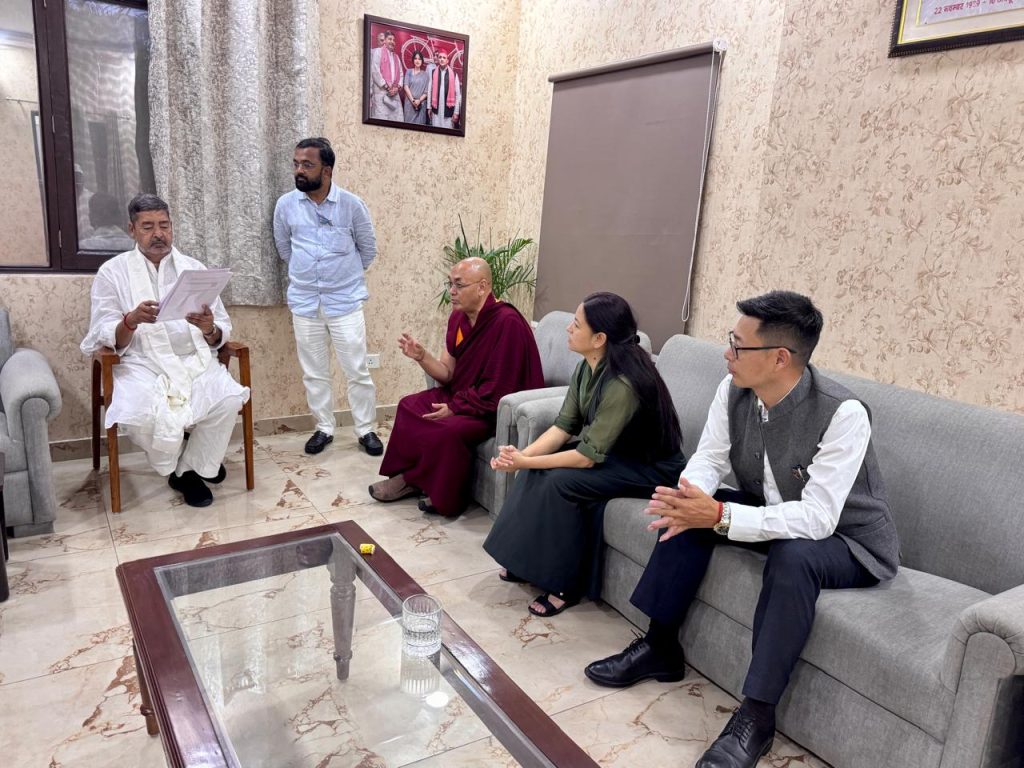
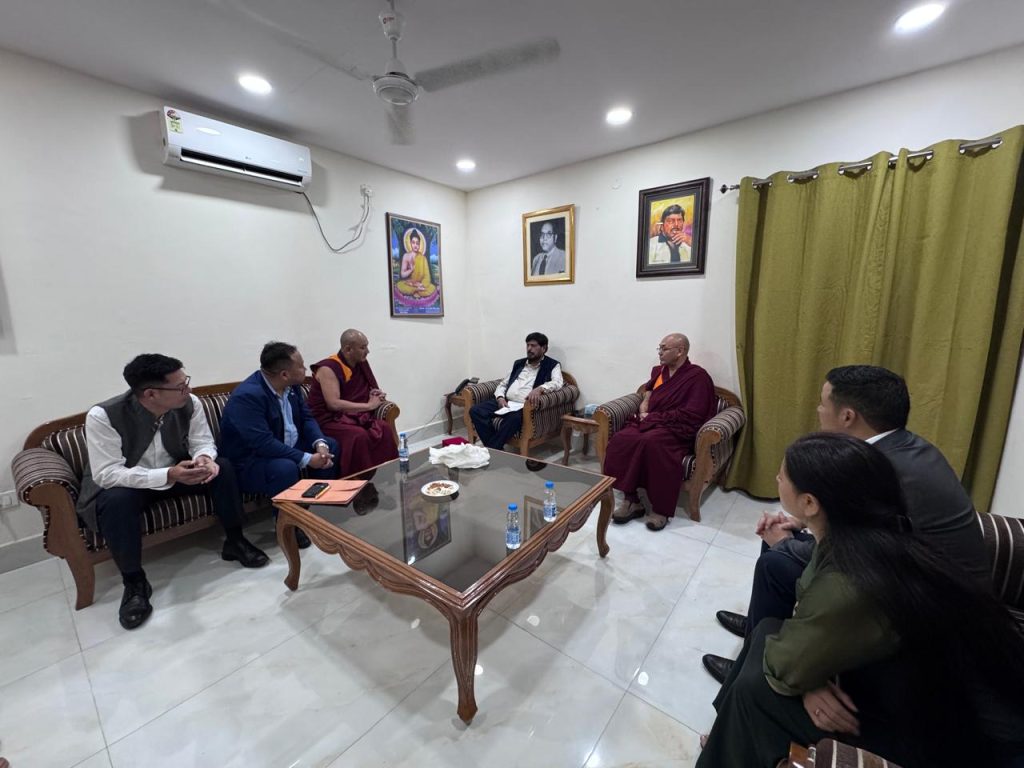
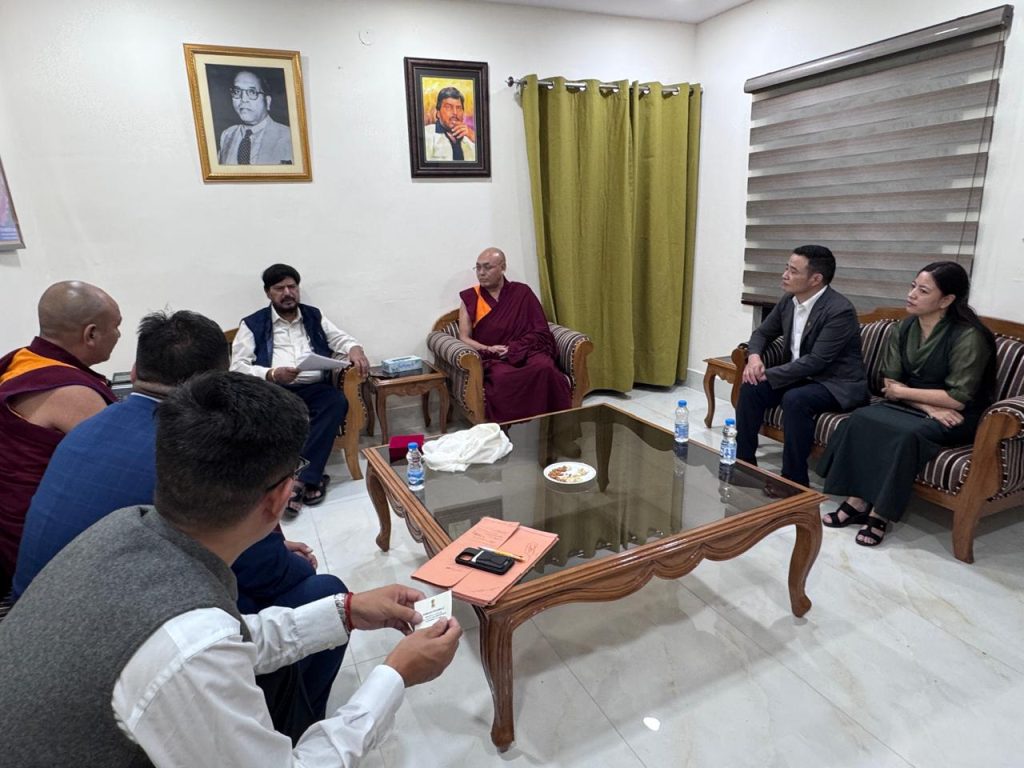
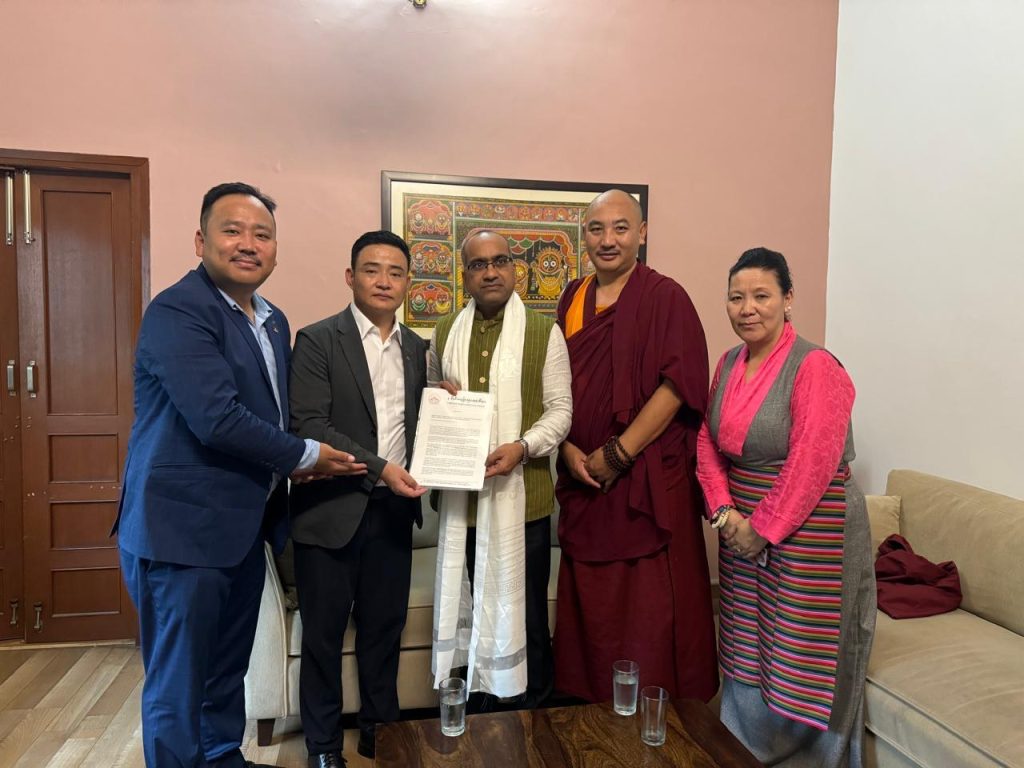
On the first day of the advocacy program, the first group consisting of Deputy Speaker Khenpo Sonam Tenphel, and Parliamentarians Choedak Gyatso and Gyaltsen Choekye Gagya met with Shri Faggan Singh Kulaste, Member of Lok Sabha (BJP) and Former Minister of State for Rural Development and Steel of India; Shri (Prof.) Saugata Roy, Member of Lok Sabha (TMC); Shri Virendra Singh, Member of Lok Sabha (Samajwadi Party); and Shri Balabhadra Majhi, Member of Lok Sabha (BJP).
The second group consisting of Parliamentarians Lopon Thubten Gyaltsen, Lobsang Thupten Pontsang, and Gonpo Dhundup met with Shri (Prof.) S. P. Singh Baghel, Union Minister of State for Law and Justice and Member of Lok Sabha (BJP); Shri Dr. Rajkumar Sangwan, Member of the Lok Sabha (Rashtriya Lok Dal) and Shri Sujeet Kumar, Member of Rajya Sabha (BJP).
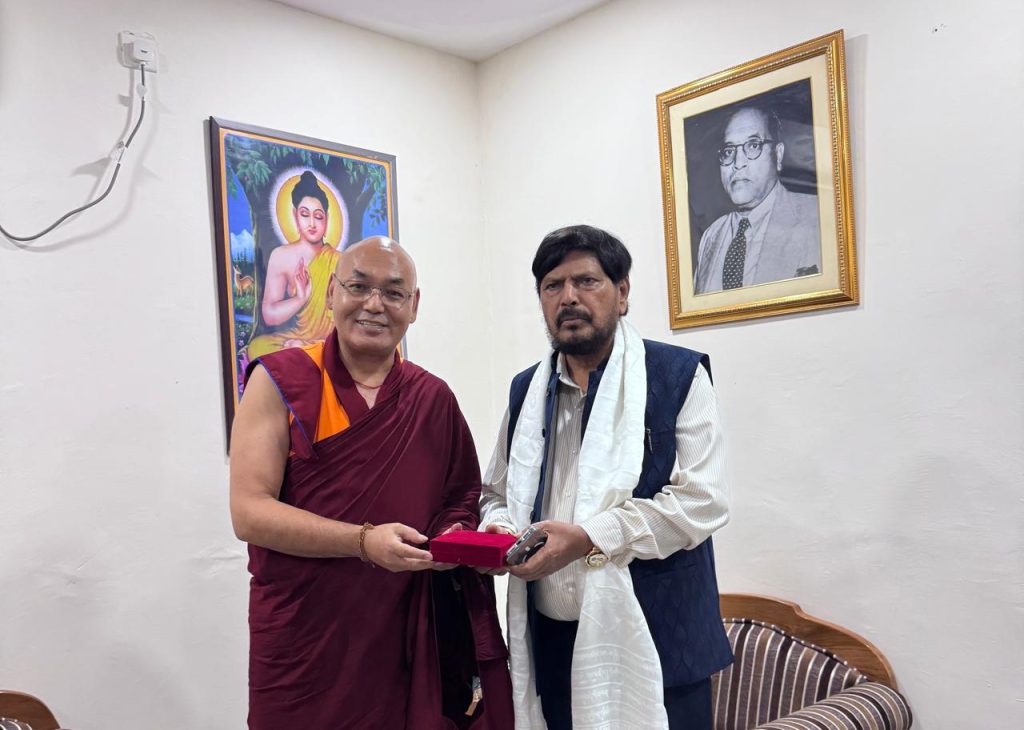
Shri Ramdas Bandu Athawale, Union Minister of State for Social Justice and Empowerment and Member of Rajya Sabha (Republican Party of India) hosted a dinner in honour of the Tibetan delegation at his residence. Deputy Speaker led delegation from Tibetan Parliament-in-Exile extended appreciation for the warm hospitality.
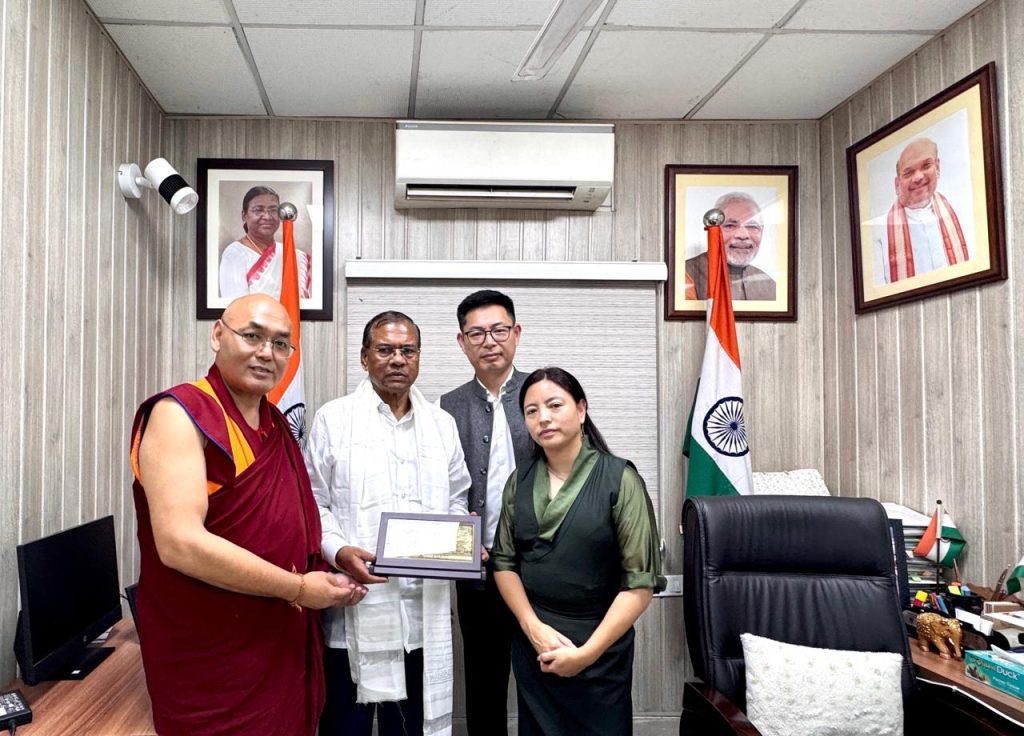 During their meetings with the honorable the Union Ministers and the Members of Parliament, the delegation explained that the new law represents one of the gravest threats to the Tibetan people in recent decades. By codifying existing policies into national legislation, the law strengthens measures that restrict the Tibetan language, tighten state control over religious institutions, reshape educational curricula, and systematically erode Tibet’s unique cultural, religious, and national identity.
“What were previously administrative policies are now reinforced through national legislation,” Deputy Speaker Khenpo Sonam Tenphel said, adding that the law marks a significant escalation in Beijing’s efforts to institutionalize assimilation.
The delegation also underscored the urgency of the current situation by drawing attention to the tragic self-immolation of Tibetan activist Lobga Rangzen outside the United Nations Headquarters in New York on 2 July 2026. Prior to his final act, Lobga Rangzen made an impassioned appeal for the restoration of a fully independent Tibet, declaring that only when Tibetans are free in their own homeland can their fundamental human rights, religious freedom, and national identity be fully safeguarded.
 The delegation further emphasized that the implications of the Ethnic Unity and Progress Law extend well beyond China’s borders. They noted that the legislation reinforces efforts by the Chinese Communist Party to expand its influence over Tibetan communities living abroad through intimidation, surveillance, and pressure to conform to the Party’s official narrative. Tibetans residing peacefully in India and other democratic countries may increasingly face transnational repression, raising concerns not only for the Tibetan diaspora but also for the sovereignty of democratic nations and the freedoms they seek to protect.
In light of these concerns, the Tibetan Parliament-in-Exile appealed to Members of the Indian Parliament to:
- Raise awareness of the implications of China’s Ethnic Unity and Progress Law within Parliament and relevant parliamentary committees.
- Stand in support of the cultural, linguistic, and religious rights of the Tibetan people and other affected nationalities.
- Oppose all forms of transnational repression that threaten democratic freedoms and the security of Tibetan communities living in India.
- Recognize that Tibet was historically an independent nation prior to its forceful invasion and occupation by the People’s Republic of China.
- Urge the leadership of the People’s Republic of China to engage in peaceful dialogue to resolve the Tibet-China conflict and continue India’s proud tradition of supporting the peaceful and non-violent aspirations of the Tibetan people in accordance with the vision of His Holiness the Dalai Lama.
The delegation also presented Members of Parliament with Official Resolution of the Tibetan Parliament-in-Exile condemning the People’s Republic of China’s Ethnic Unity and Progress Law; Official Resolution expressing solidarity with the critical situation inside Tibet; and the Official Statement of the Tibetan Parliament-in-Exile on the Self-Immolation Protest for the Cause of Tibet by Patriotic Hero Lobga Rangzen.
The parliamentary delegation was accompanied by Parliamentary Secretariat’s Tsering Lhamo, Tenzin Choeying, Phuntsok Gyatso, and Tenzin Palden.