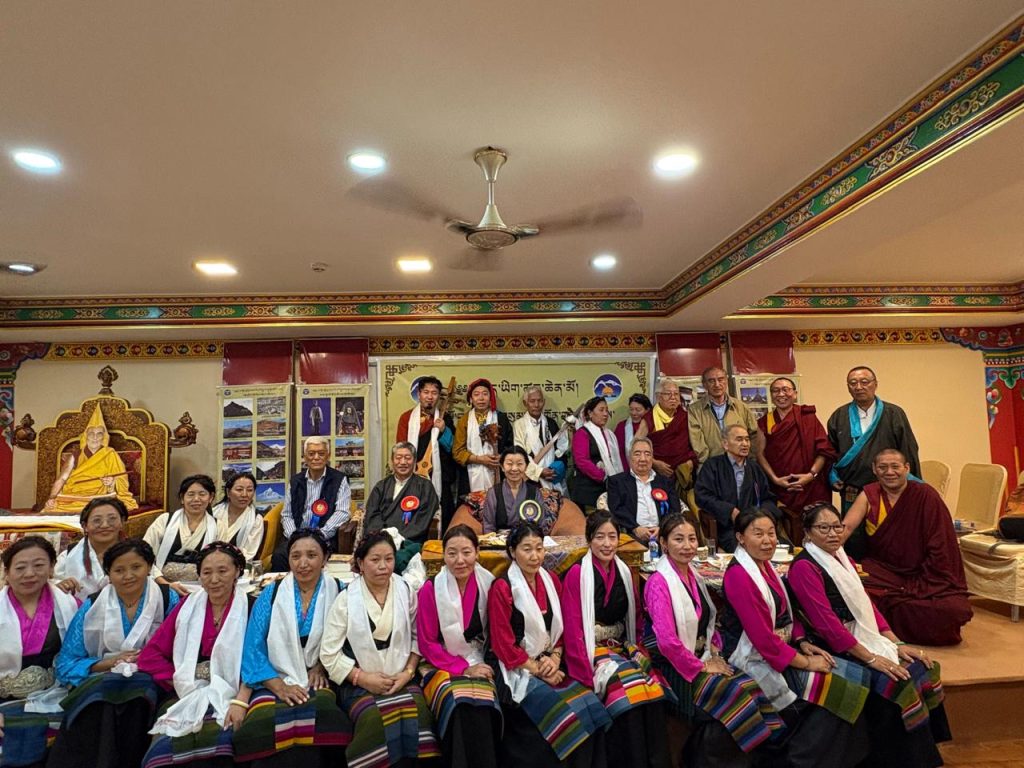
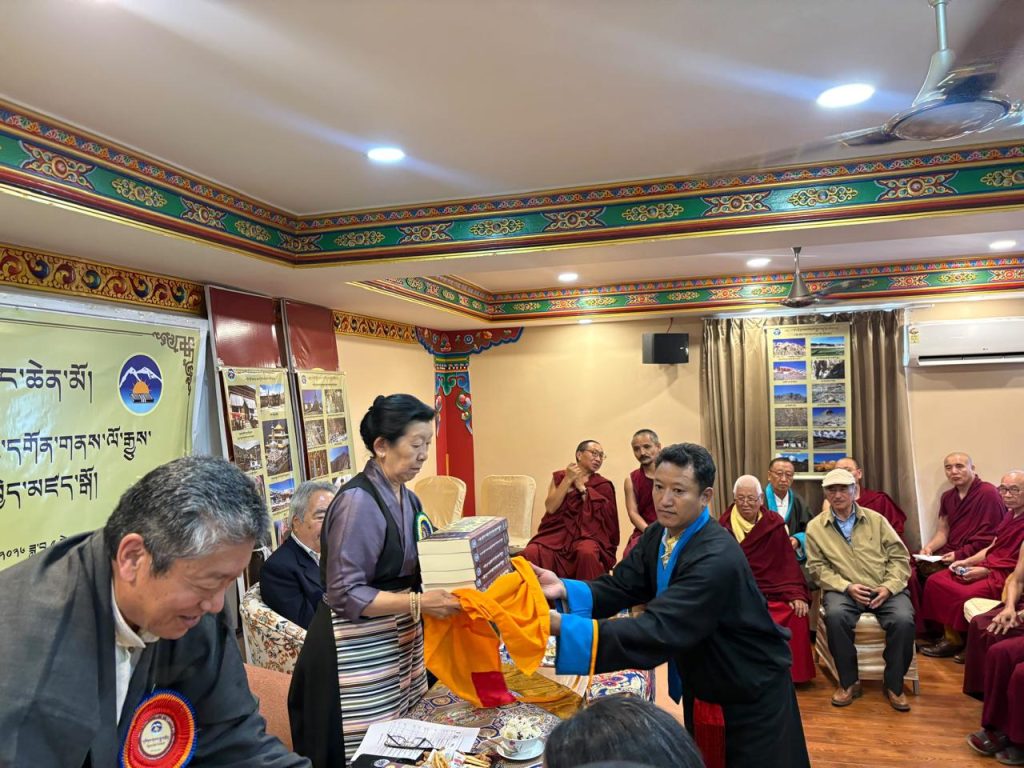
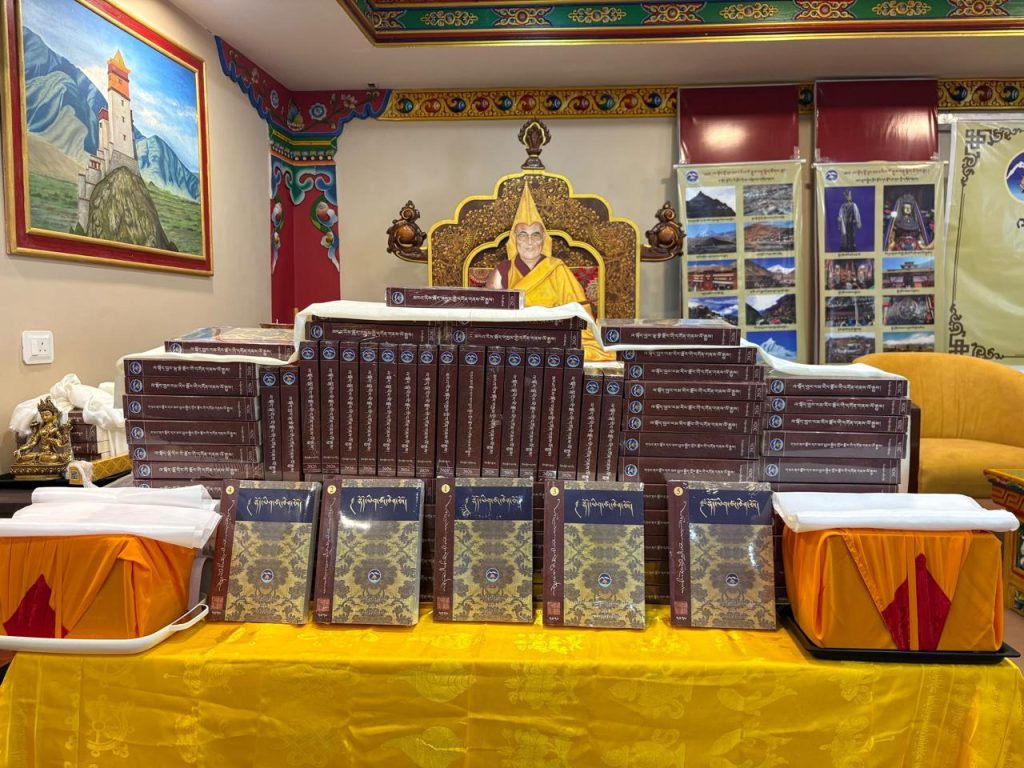
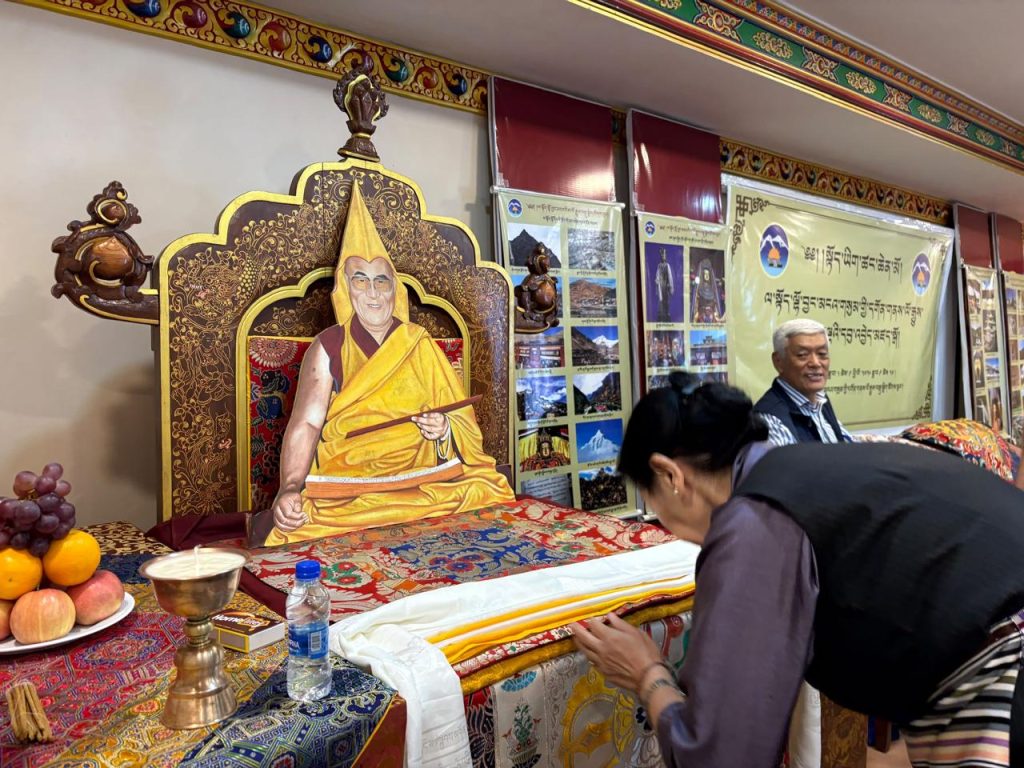
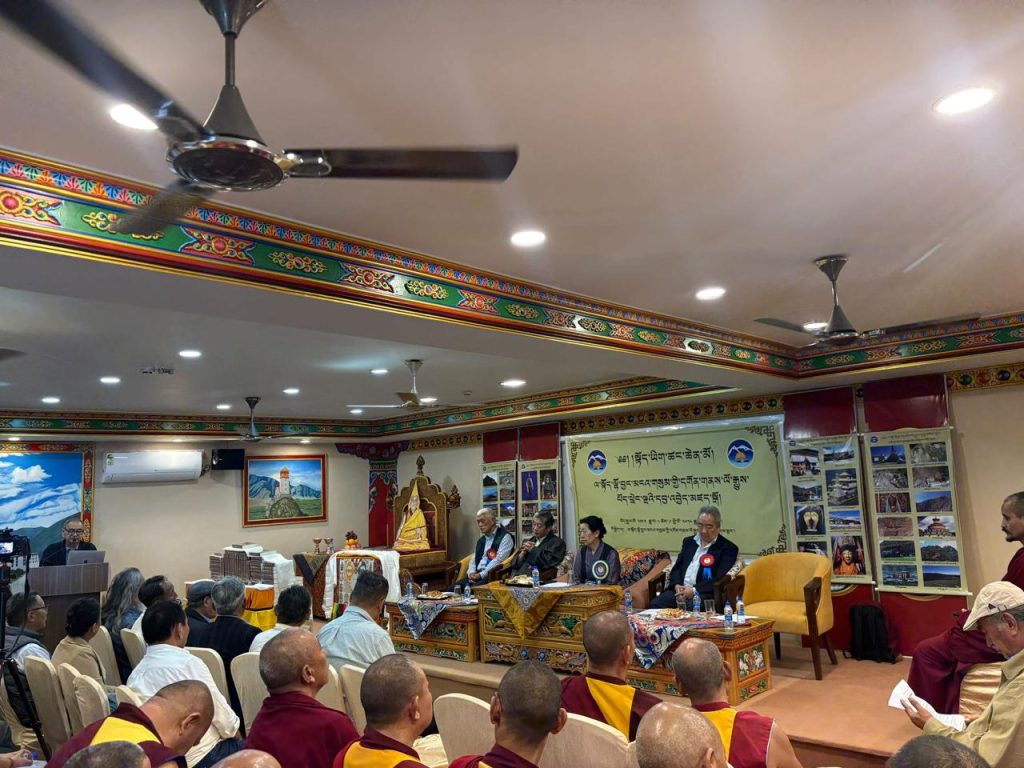
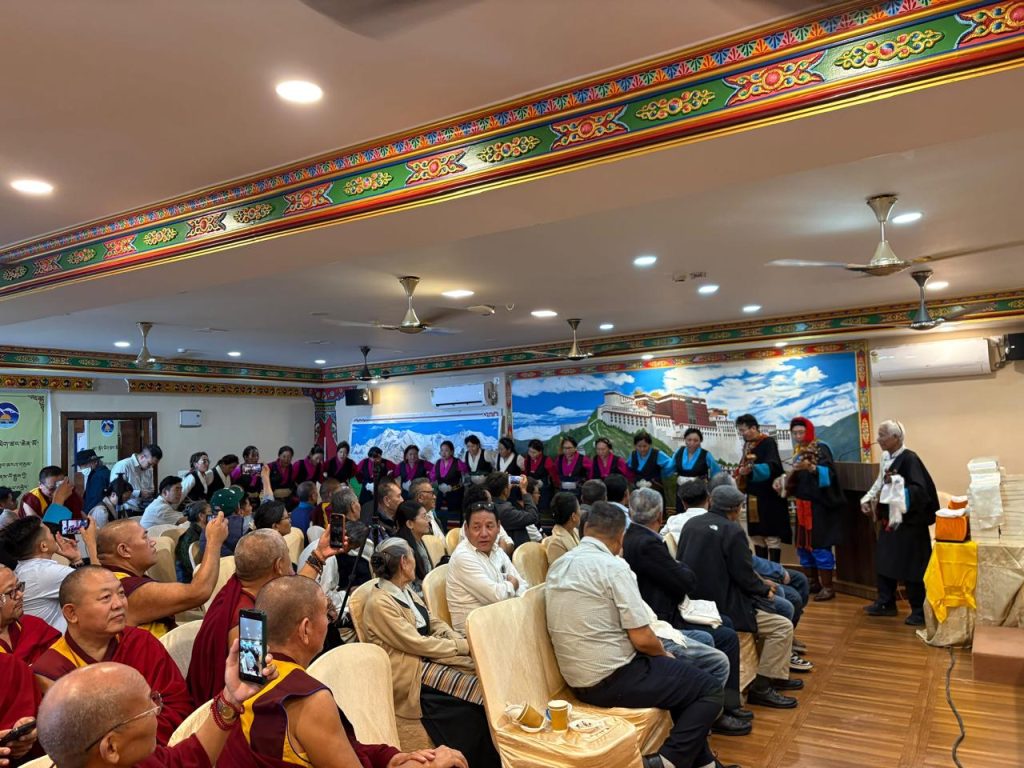
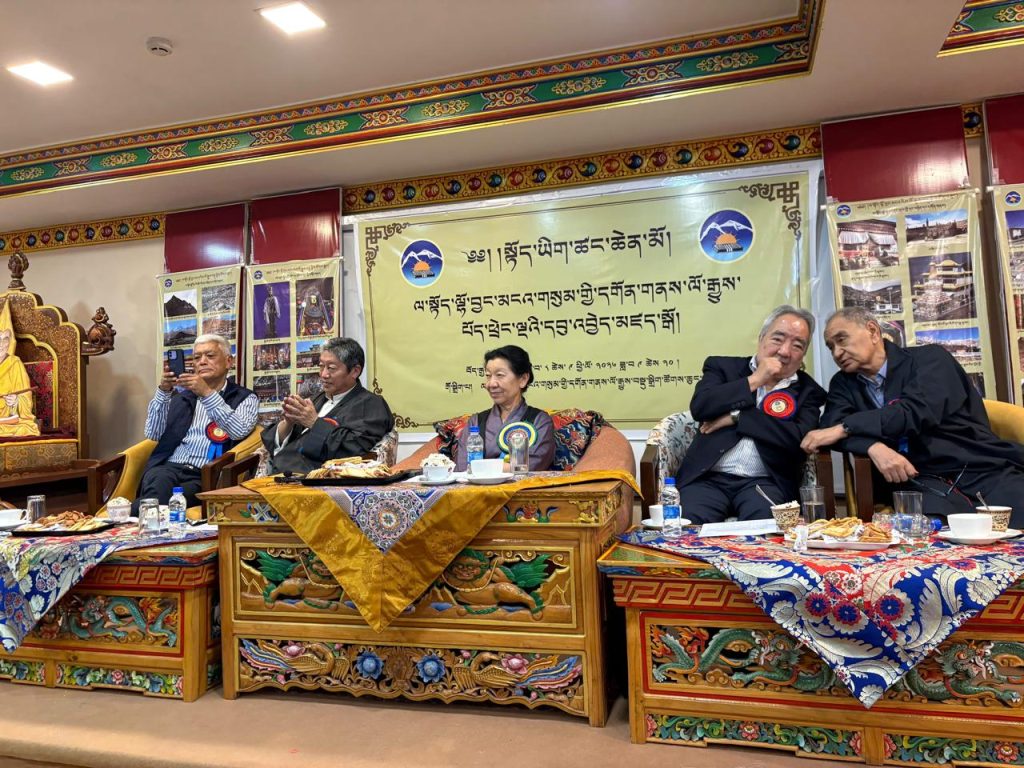
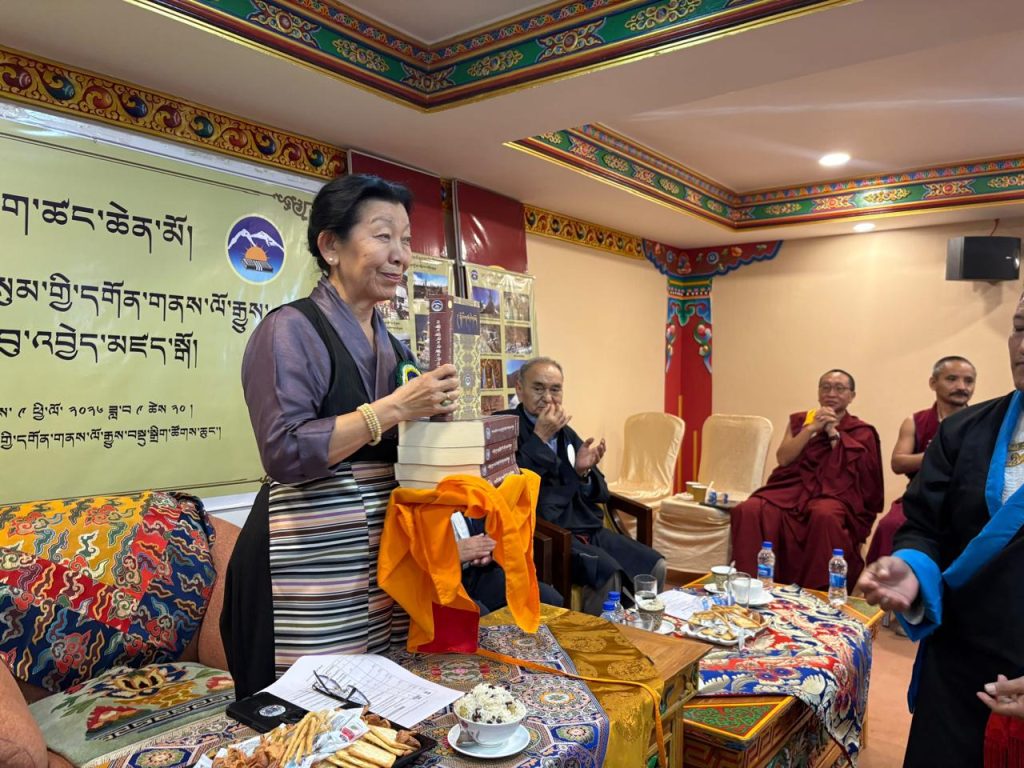
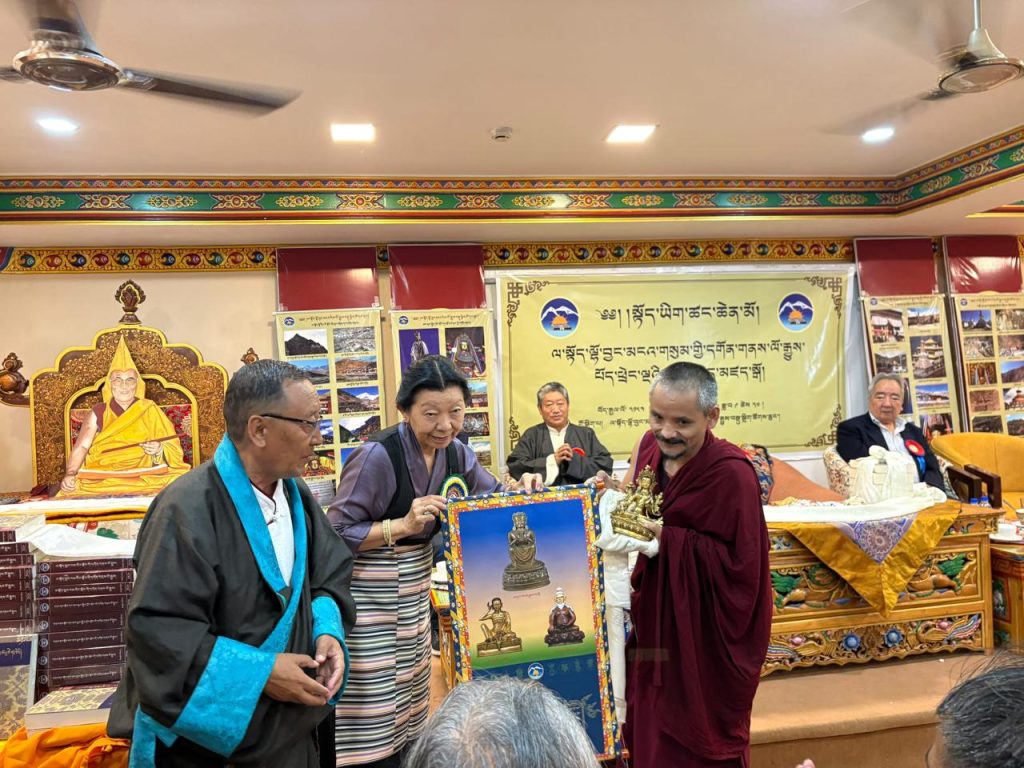
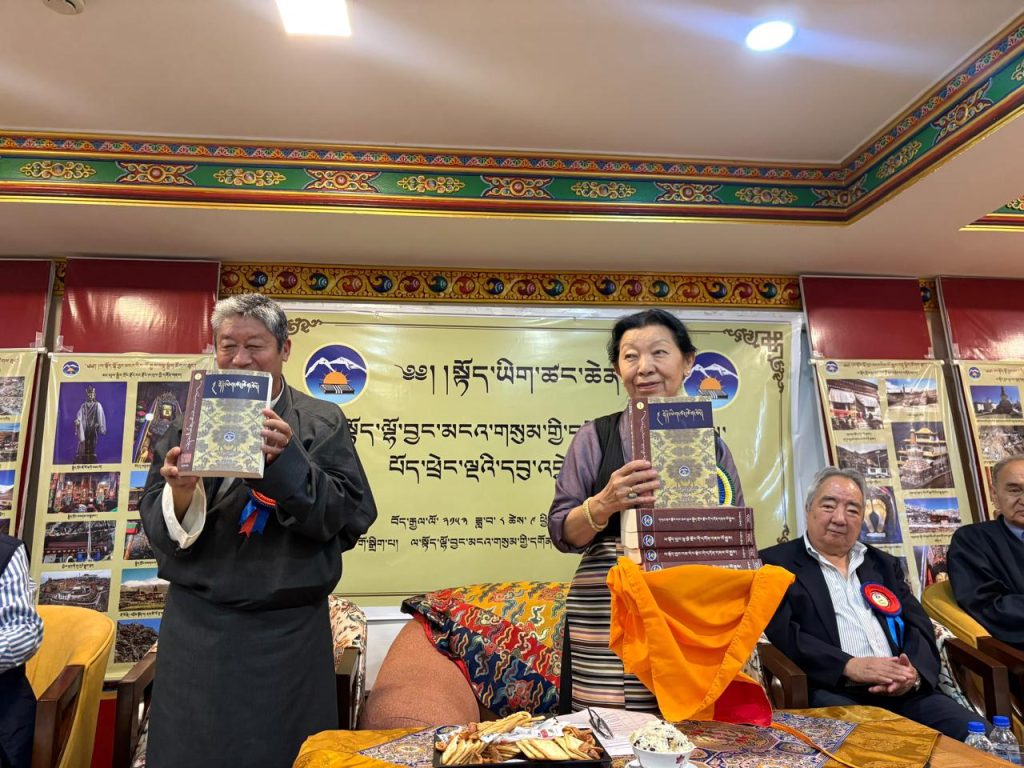
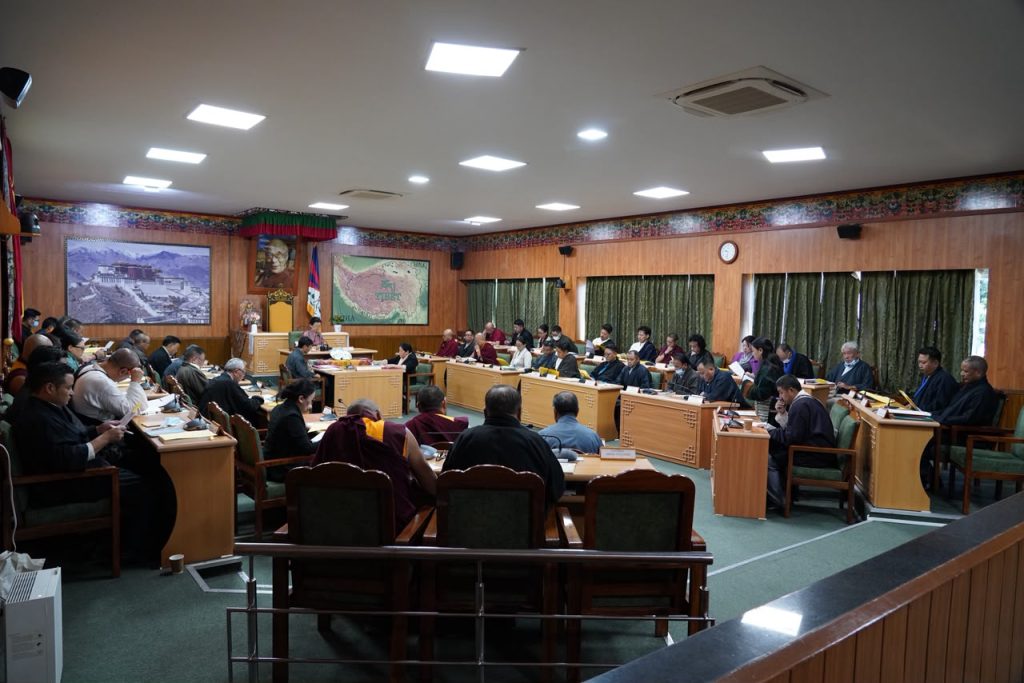
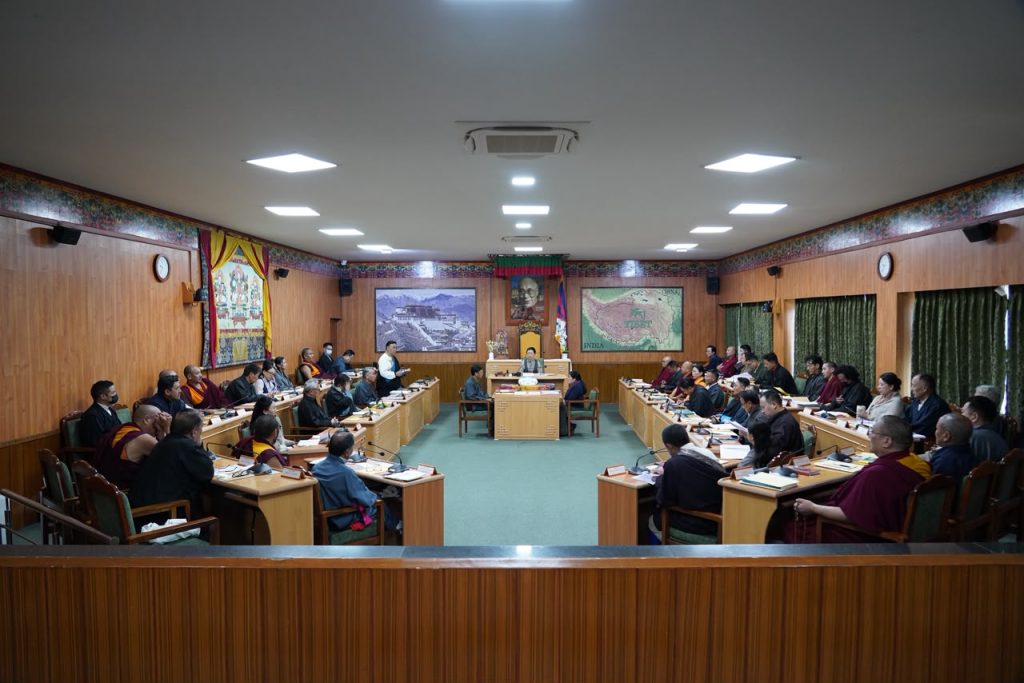
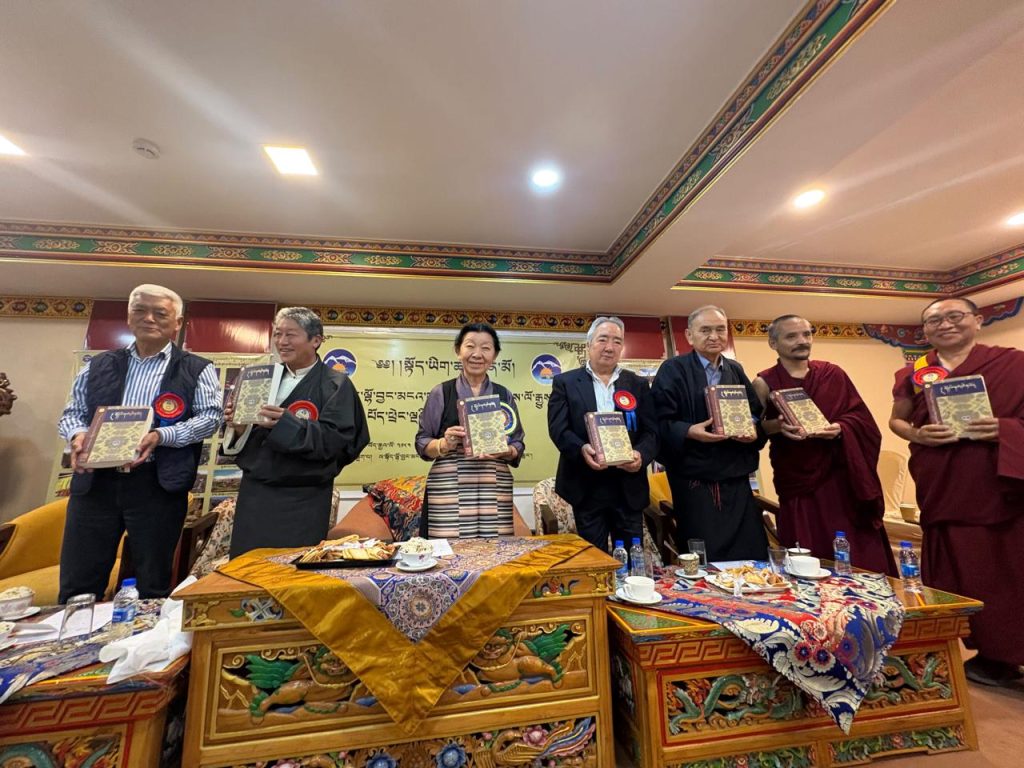
 Dharamshala: A five-volume book series documenting the monastic history of the three Tibetan regions of Latoe Lho, Latoe Jang, and Ngari, titled Toe Yigtsang Chenmo, was launched in Dharamshala on 20 September 2026.
The launch ceremony was attended by Chief Guest Speaker Dolma Tsering Teykhang of the Tibetan Parliament-in-Exile and Special Guest Kasur Dongchung Ngodup, along with secretaries from the Office of His Holiness the Dalai Lama, representatives of various NGOs, Tibetan writers, historians, academics, and other distinguished guests.
Authored by Lhakhang Lobsang Choedak, the five-volume series provides a comprehensive account of the monastic heritage and history of the three regions, documenting their religious, cultural, and historical significance for future generations.
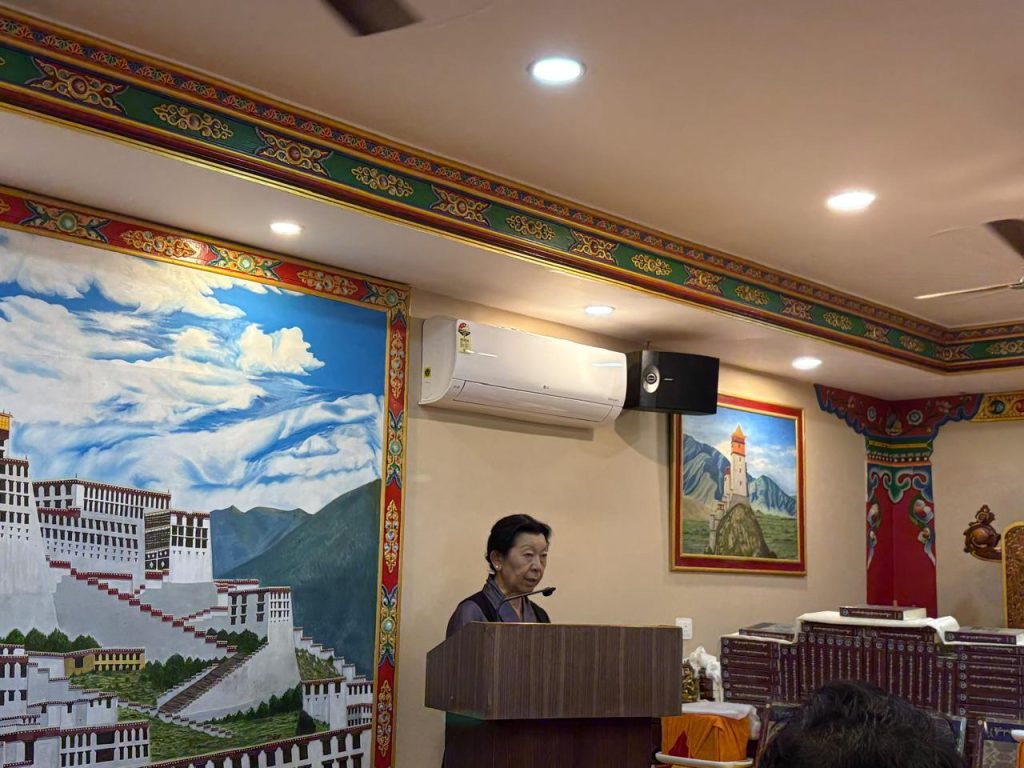
Addressing the gathering, Speaker Dolma Tsering Teykhang applauded the author and all those who contributed to the successful publication of the historical series. Highlighting her personal connection to the region, she encouraged those present to study the book and underscored the importance of preserving and documenting Tibetan history and heritage.
The Speaker said the publication comes at a critical time, as she described the People’s Republic of China as seeking to weaken Tibetan cultural and national identity through legislation and policies. Highlighting the importance of preserving historical records, she referred to His Holiness the Dalai Lama’s advice on producing more historical materials based on facts so that future generations can learn about Tibet’s history and counter what she described as false narratives promoted by the People’s Republic of China.
She particularly referred to the PRC’s so-called “Ethnic Unity and Progress Law,” which she said aims to undermine Tibetan cultural, religious, and linguistic heritage and identity.
“Tibetan religious records are vastly available,” the Speaker said, while noting that “records on Tibetan society and way of life are very limited.”
She stressed the importance of documenting all aspects of Tibetan history and traditional ways of life, including traditional farming practices, marriage customs, and other aspects of Tibetan society. She called for oral histories to be recorded from older generations of Tibetans who have first-hand experience of life in Tibet before the Chinese occupation, as well as their experiences of establishing an administration and rebuilding their lives in exile under the guidance and blessings of His Holiness the Dalai Lama.