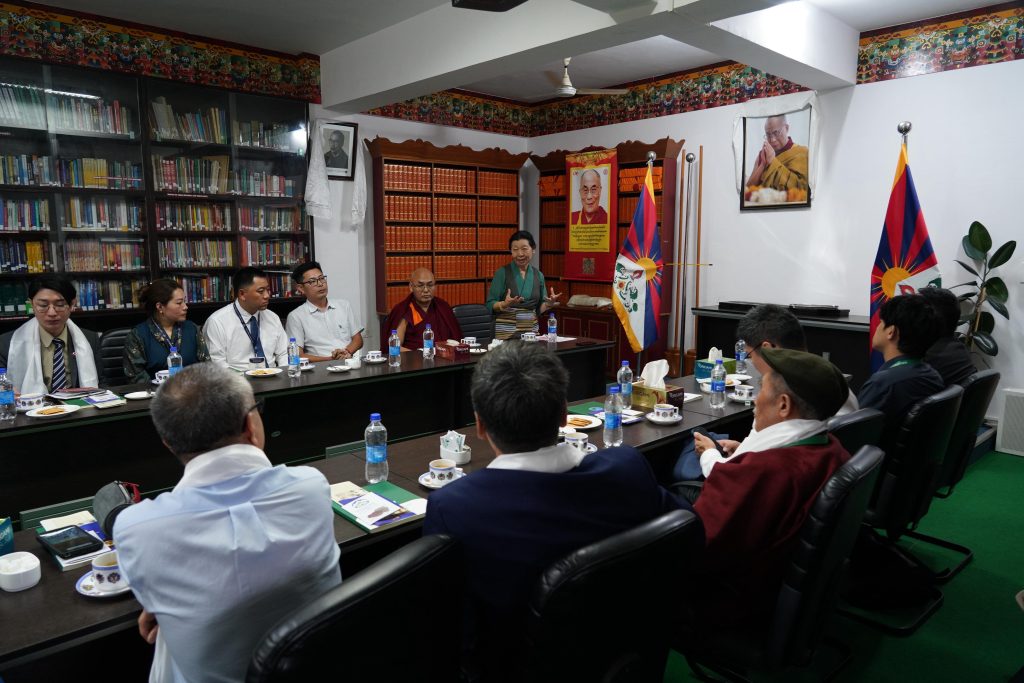
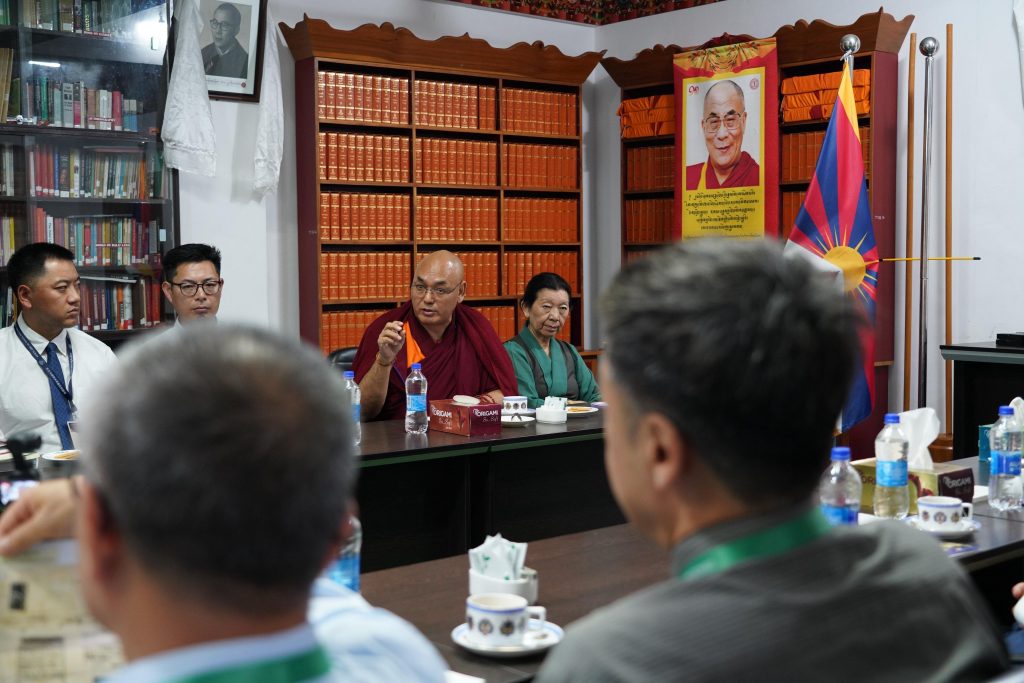
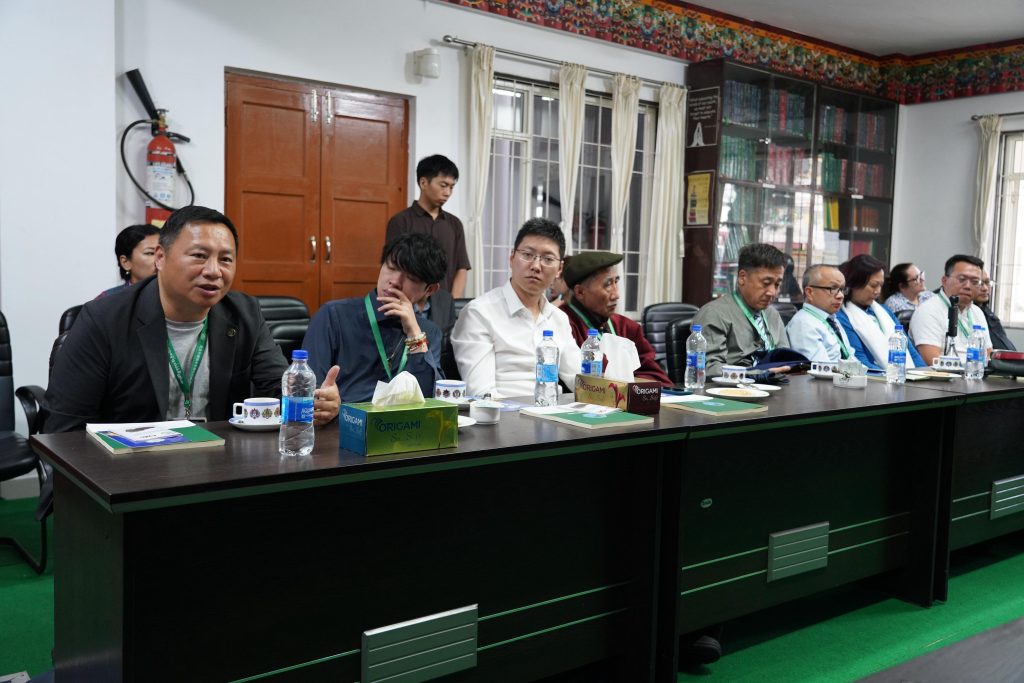
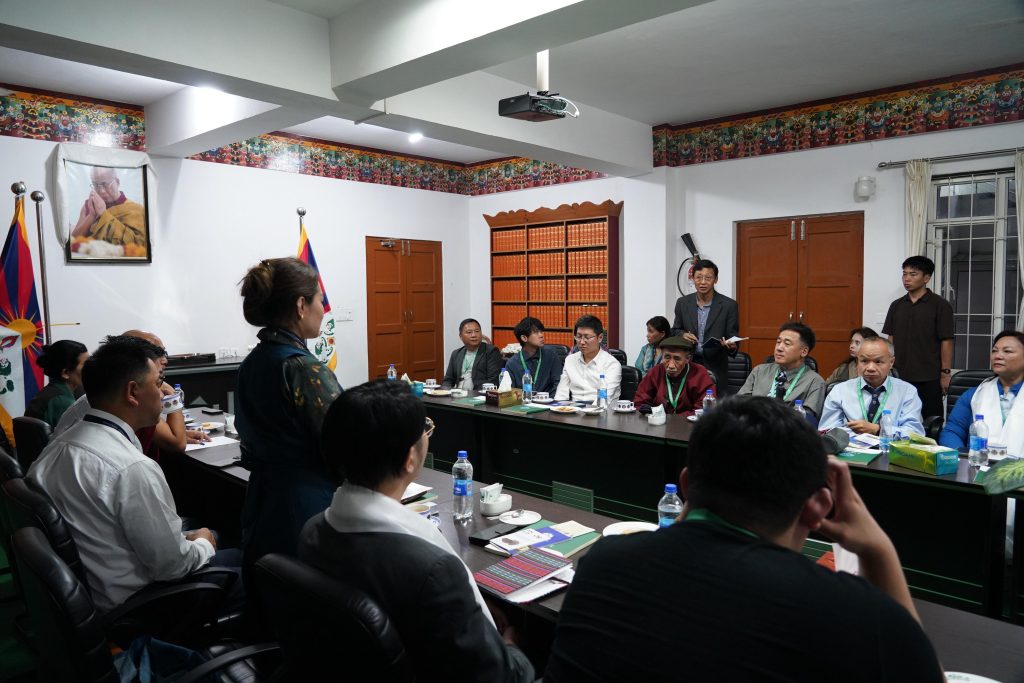
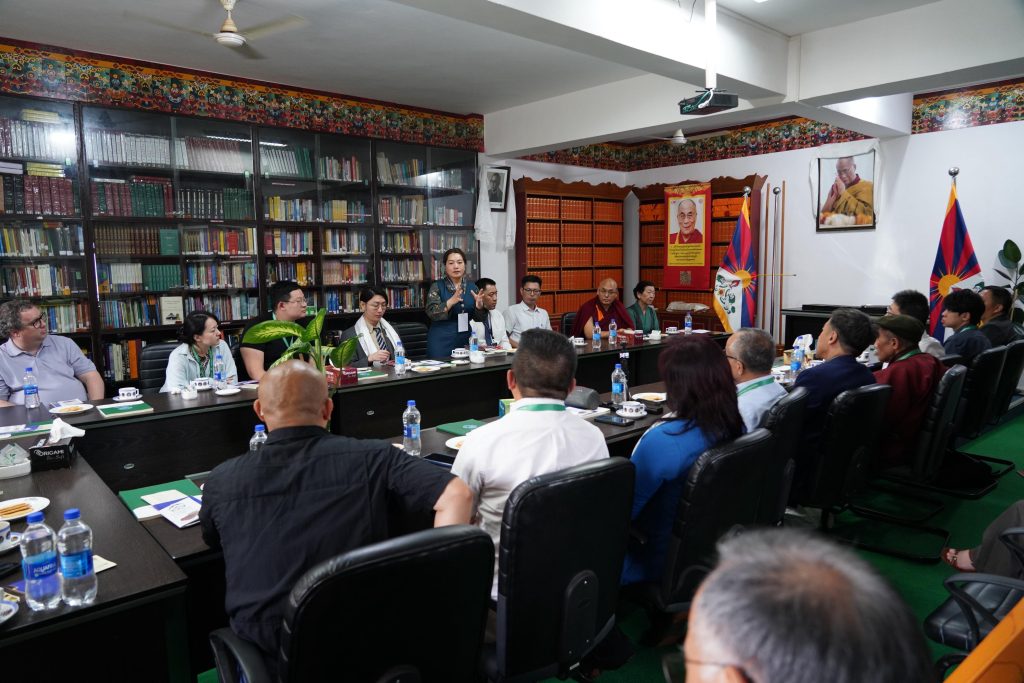
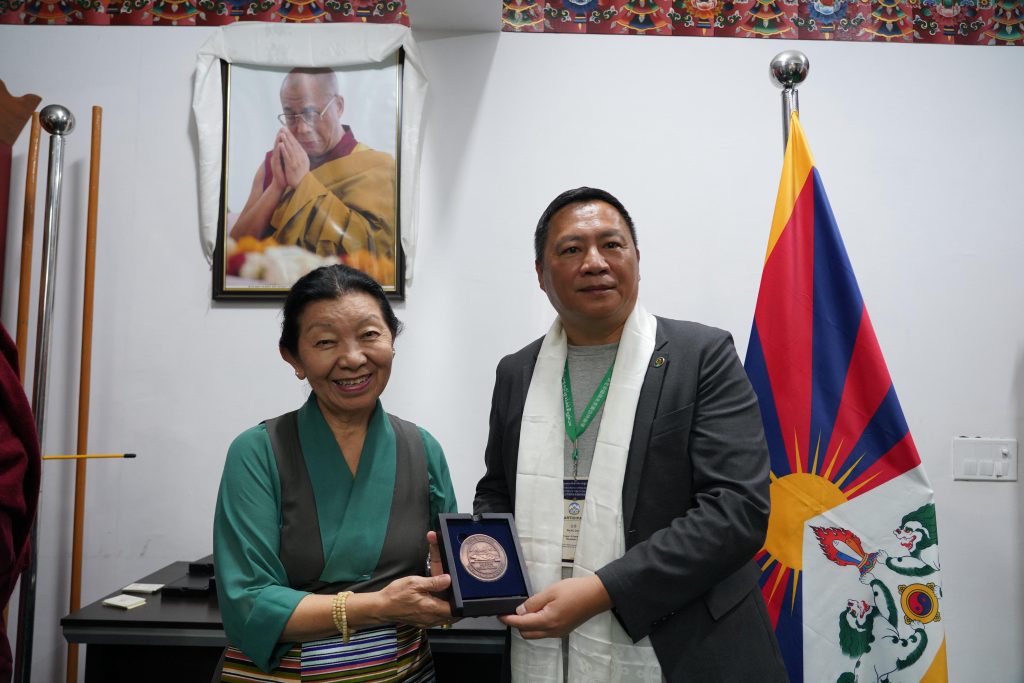
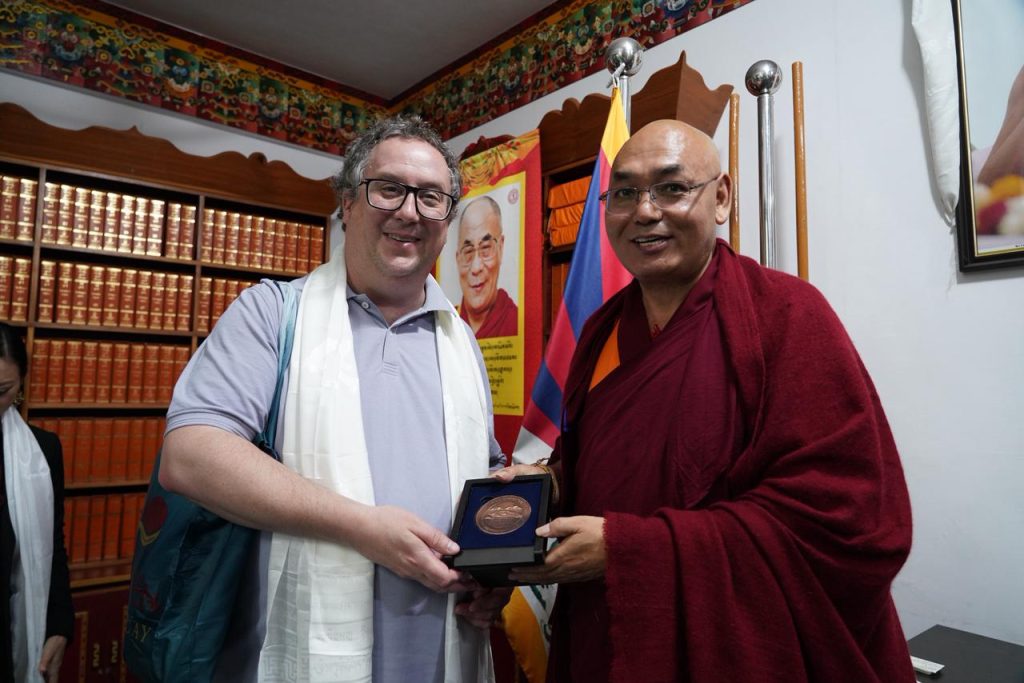
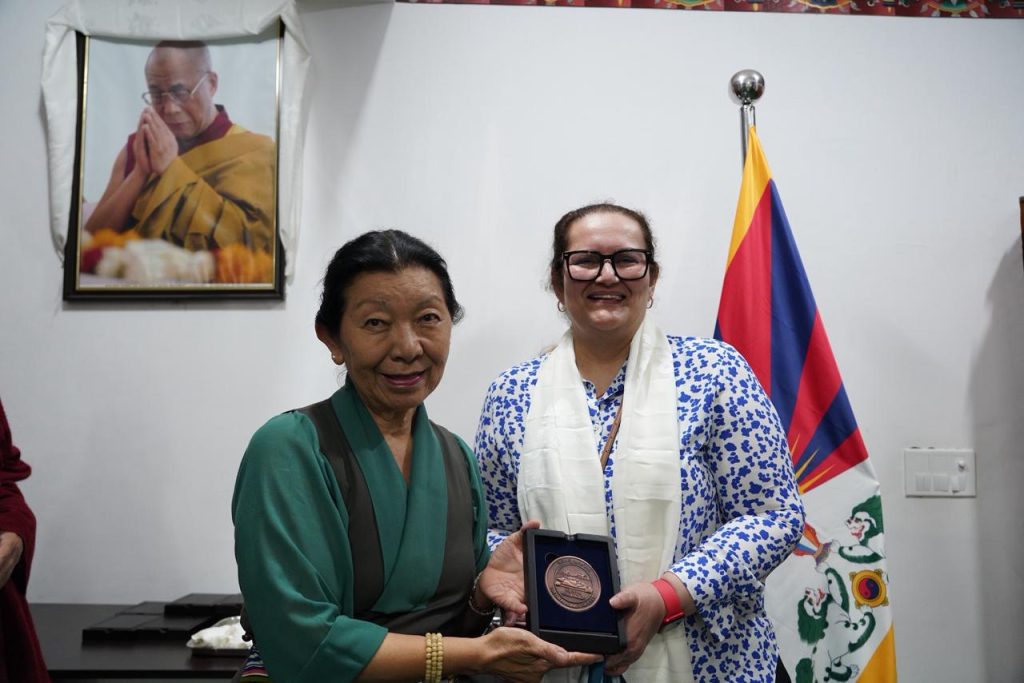
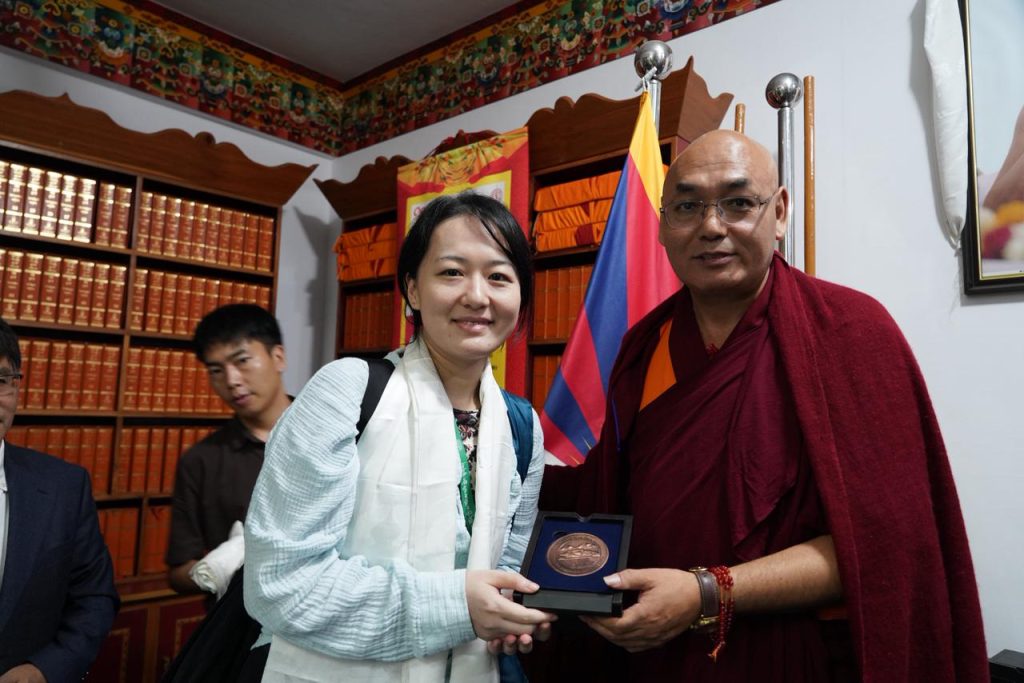
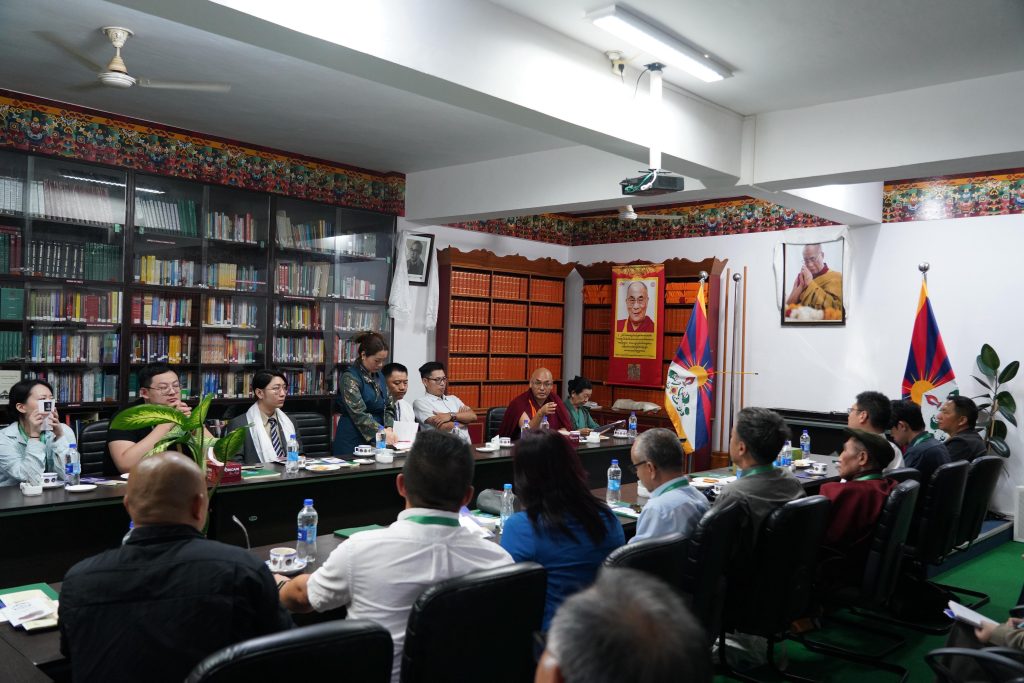
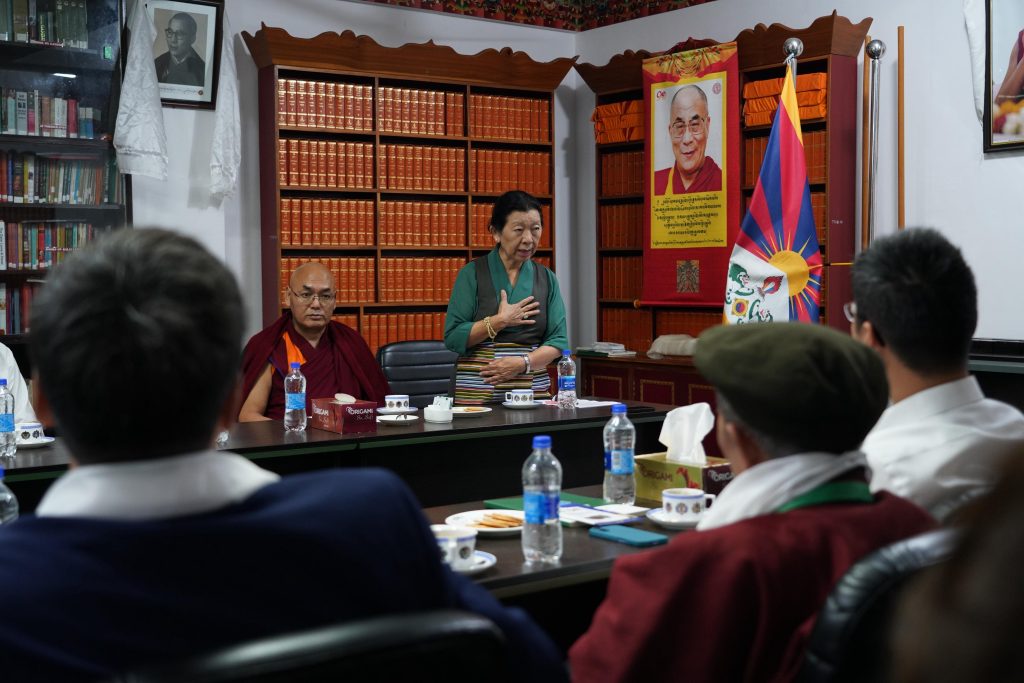
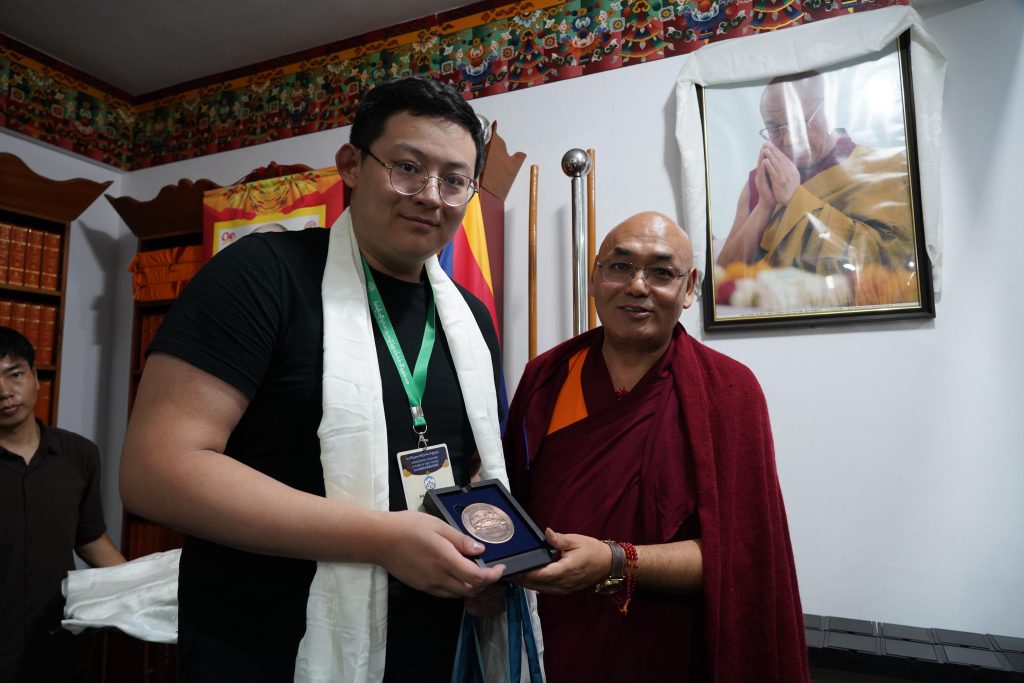
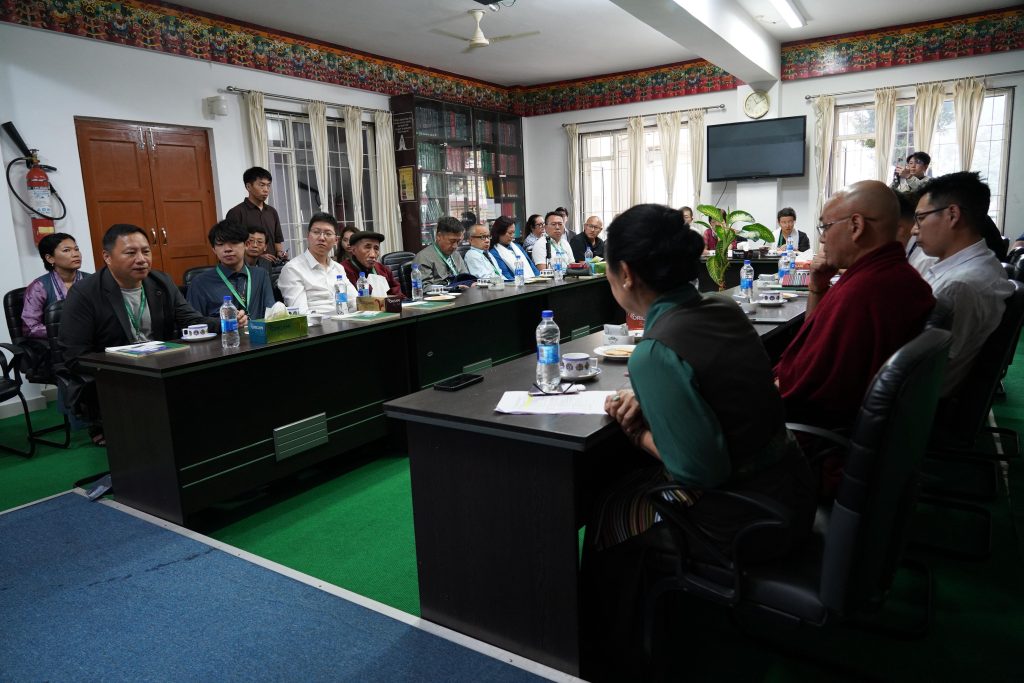
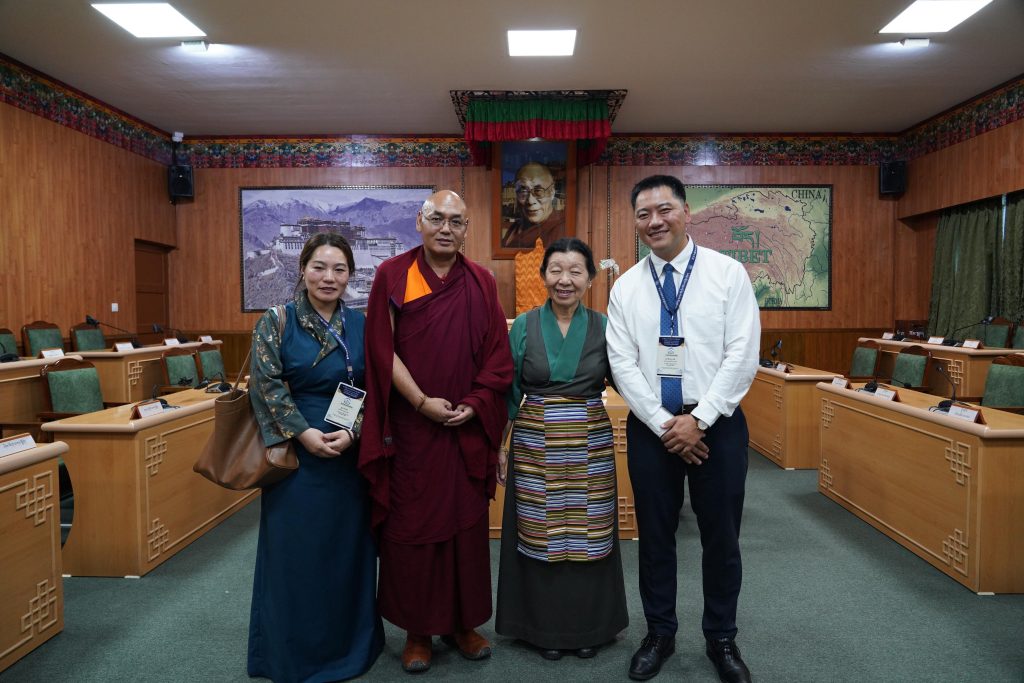
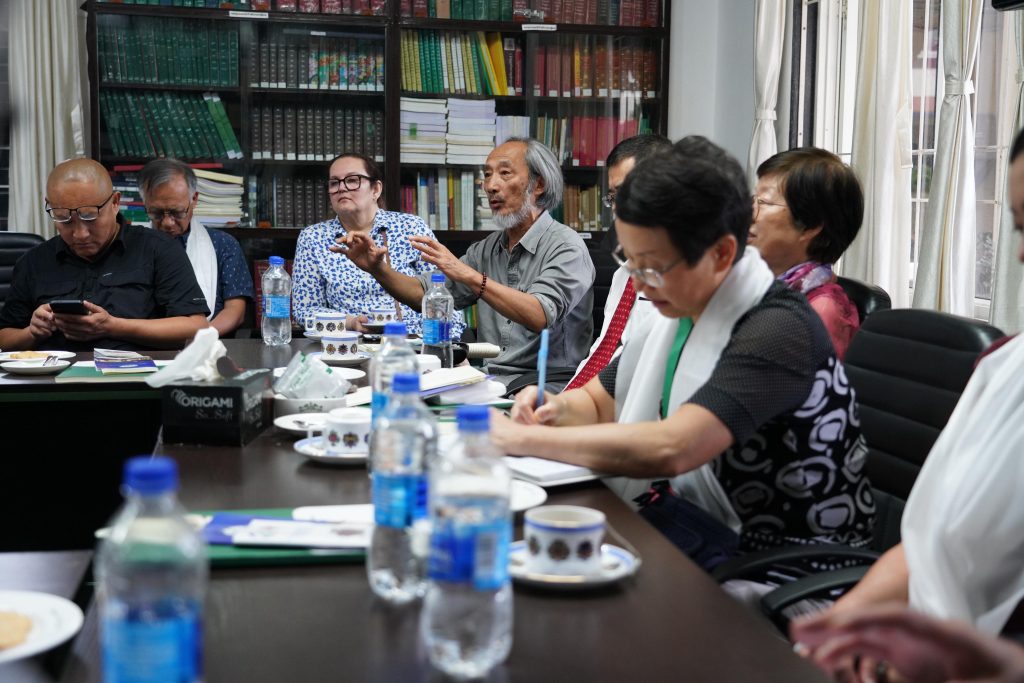
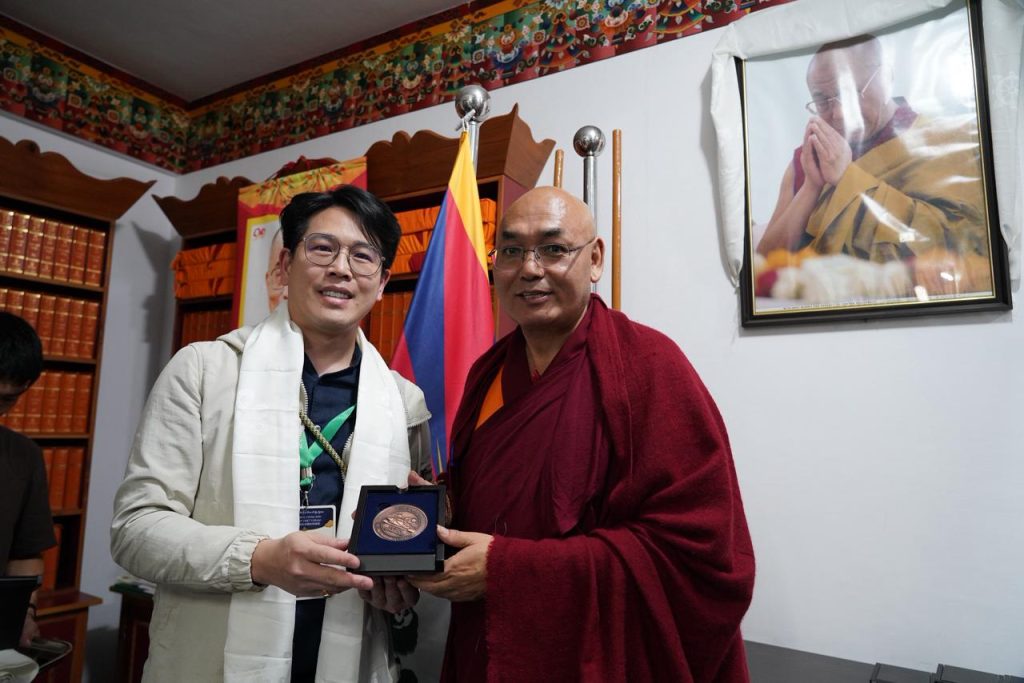
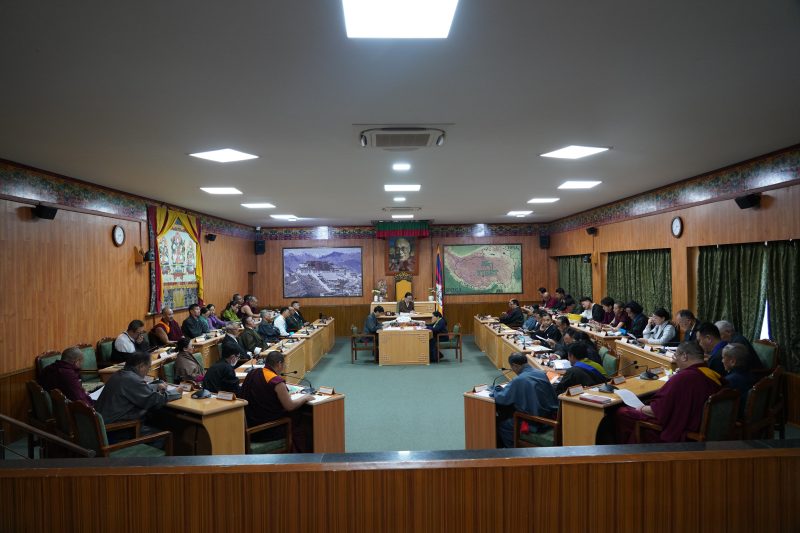
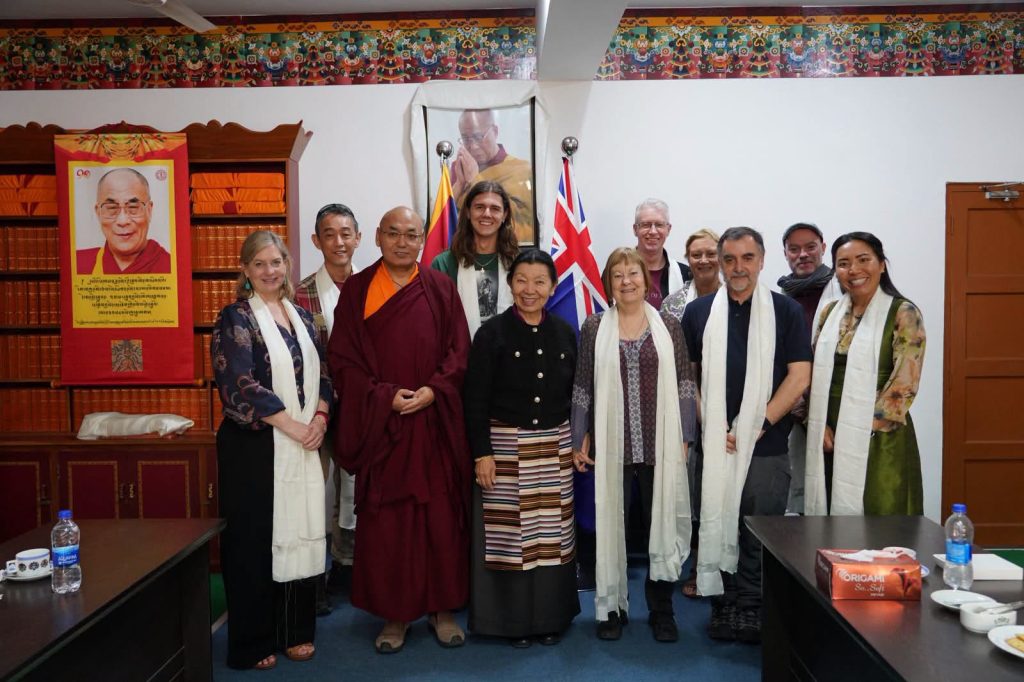
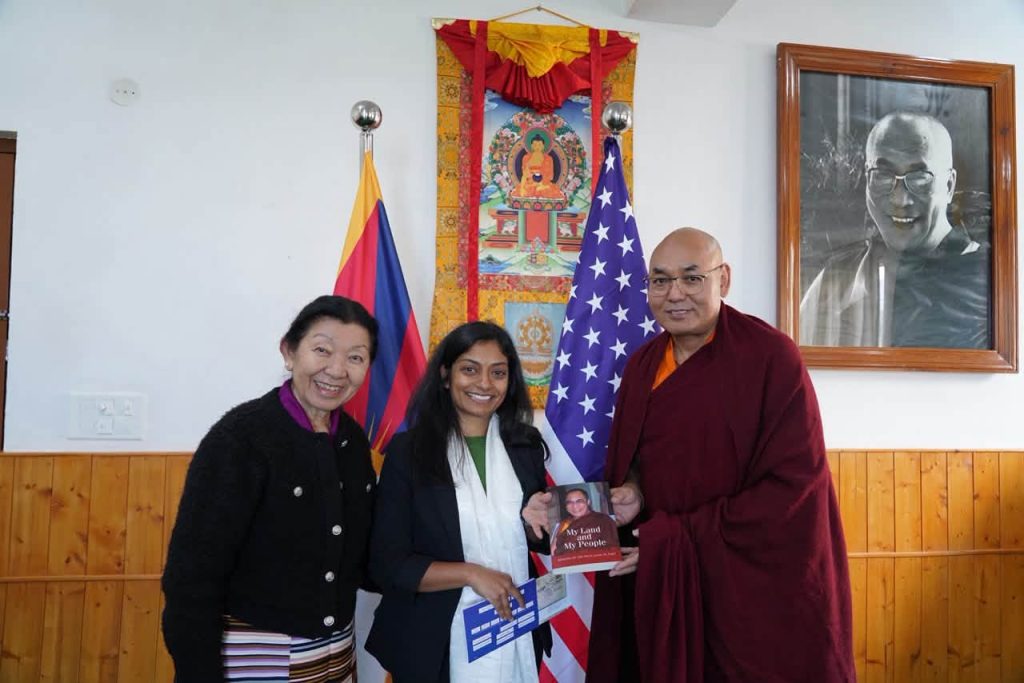
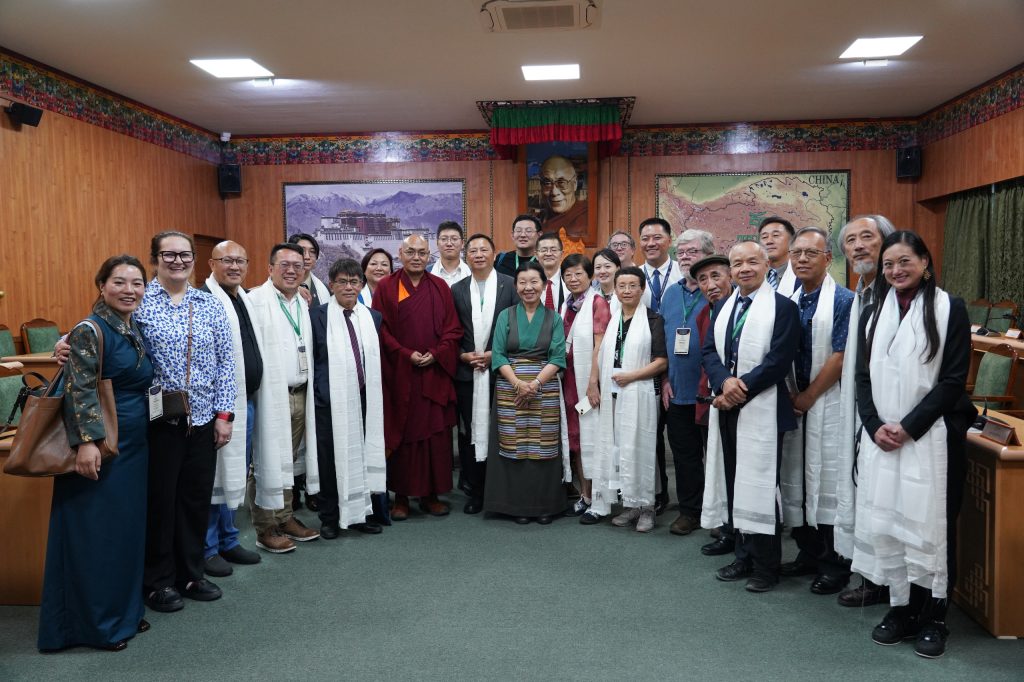
 Dharamshala: Participants of the three-day Democratic China and Future of Tibet Forum, comprising Chinese studies scholars, experts, and human rights activists from India, the United States, Canada, the United Kingdom, Germany, the Netherlands, Australia, Japan, Taiwan, and Southern Mongolia, visited the Tibetan Parliament-in-Exile and met with Speaker Dolma Tsering Teykhang and Deputy Speaker Khenpo Sonam Tenphel earlier today, 3 September 2026.
The meeting was also attended by Parliamentarian Choedak Gyatso and Secretary-General Sonam Dorjee. The delegation was accompanied by Chinese Liaison Officers Tsultrim Gyatso of the Office of Tibet, Washington, D.C., and Dawa Sangmo of the Office of Tibet Information Office, Australia.
Welcoming the visiting delegates, Speaker Dolma Tsering Teykhang commended the courage of Chinese democracy activists who have continued to raise their voices for democracy and human rights in the People’s Republic of China. She particularly acknowledged Chinese pro-democracy activist Wang Dan, one of the best-known student leaders of the 1989 Tiananmen Square pro-democracy movement, who is leading the delegation.
Reaffirming the Tibetan people’s solidarity with the Chinese people, the Speaker stated, “Tibetans are not against the Chinese people.” She emphasized that the Tibetan struggle is rooted in the pursuit of freedom, dignity, and democratic rights, rather than opposition to the Chinese people.
The Speaker briefed the delegation on the evolution of democracy within the Tibetan community in exile, describing it as one of the significant legacies of His Holiness the Dalai Lama to the Tibetan people. She highlighted key milestones in the democratic development of the Tibetan polity, including the introduction of reserved seats for women parliamentarians and the adoption of the Charter of Tibetans in Exile, among other democratic reforms.
The Speaker also highlighted the threats posed by the PRC’s recently adopted “Rule of Ethnic Unity and Progress Law,” warning that its implementation could further accelerate the erosion and erasure of Tibetan identity and culture. She also raised concerns over China’s transnational repression of Tibetans and others abroad.
She further spoke about the recent flash floods along the Tibet–Nepal border, the PRC’s censorship and withholding of vital data and information concerning such disasters, and the unabated exploitation of the Tibetan plateau, which contributes to environmental degradation and increases the vulnerability of the region to such calamities.
The Speaker also elaborated on the Middle Way Approach (MWA), the policy of the Central Tibetan Administration (CTA) aimed at resolving the issue of Tibet peacefully and establishing lasting stability and coexistence between the Tibetan and Chinese peoples on the basis of equality, mutual respect, and cooperation.
Deputy Speaker Khenpo Sonam Tenphel, in his address, provided an overview of the current composition and functioning of the Tibetan Parliament-in-Exile, the highest legislative body of the Central Tibetan Administration (CTA), and outlined its role in representing the aspirations and interests of Tibetans in exile. He explained that the Tibetan Parliament-in-Exile convenes two parliamentary sessions each year: the Budget Session in March and the General Session in September.
The Deputy Speaker further spoke about China’s rich cultural, traditional, and historical heritage, noting that these have experienced significant decline since the establishment of the People’s Republic of China (PRC), particularly in the preservation and promotion of its ethnic and cultural traditions. Citing Buddhism as an example, he noted that Buddhism reached China centuries before it was introduced to Tibet, yet Buddhist arts, traditions, and scholarly studies have witnessed a decline in China.
Addressing the PRC’s politically motivated interference in the recognition of Tibetan Buddhist leaders, particularly His Holiness the Dalai Lama, the Deputy Speaker welcomed the resolution adopted by the delegation following the three-day Democratic China and Future of Tibet Forum and expressed his hope that it would contribute to meaningful and constructive outcomes.
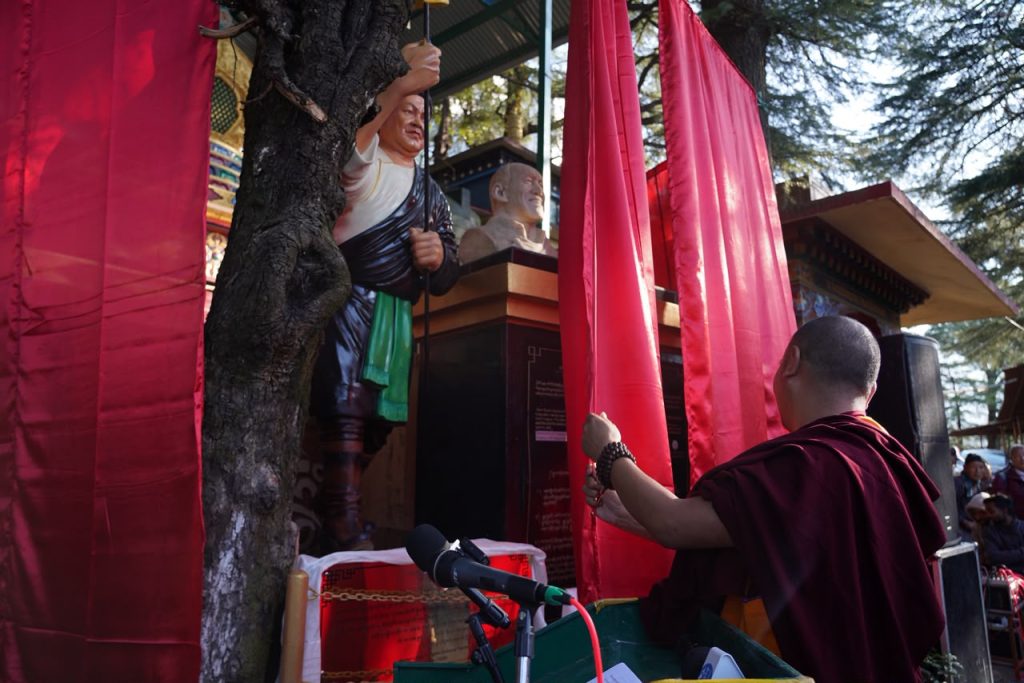
He also spoke about the Tibetan martyr Lobga Rangzen, who, despite being born after the occupation of Tibet by the PRC, self-immolated in front of the United Nations Headquarters in New York in protest against the legislation. He noted that this act demonstrated how Tibetans across the world continue to feel the pain of the prolonged suffering of Tibetans under the PRC’s repressive policies. The Deputy Speaker likewise appreciated the participation of younger Chinese dissidents in the forum and encouraged them to make meaningful and constructive contributions to the shared pursuit of a peaceful and democratic future.
The Deputy Speaker further addressed the prolonged stalemate in Sino-Tibetan dialogue, noting that there has been no positive response from the PRC side. He also highlighted the importance of the Tibetan language, which preserves the teachings and commentaries of the Buddha contained in the Kagyur and Tengyur, and expressed concern over the growing threats to the language under the new legislation.