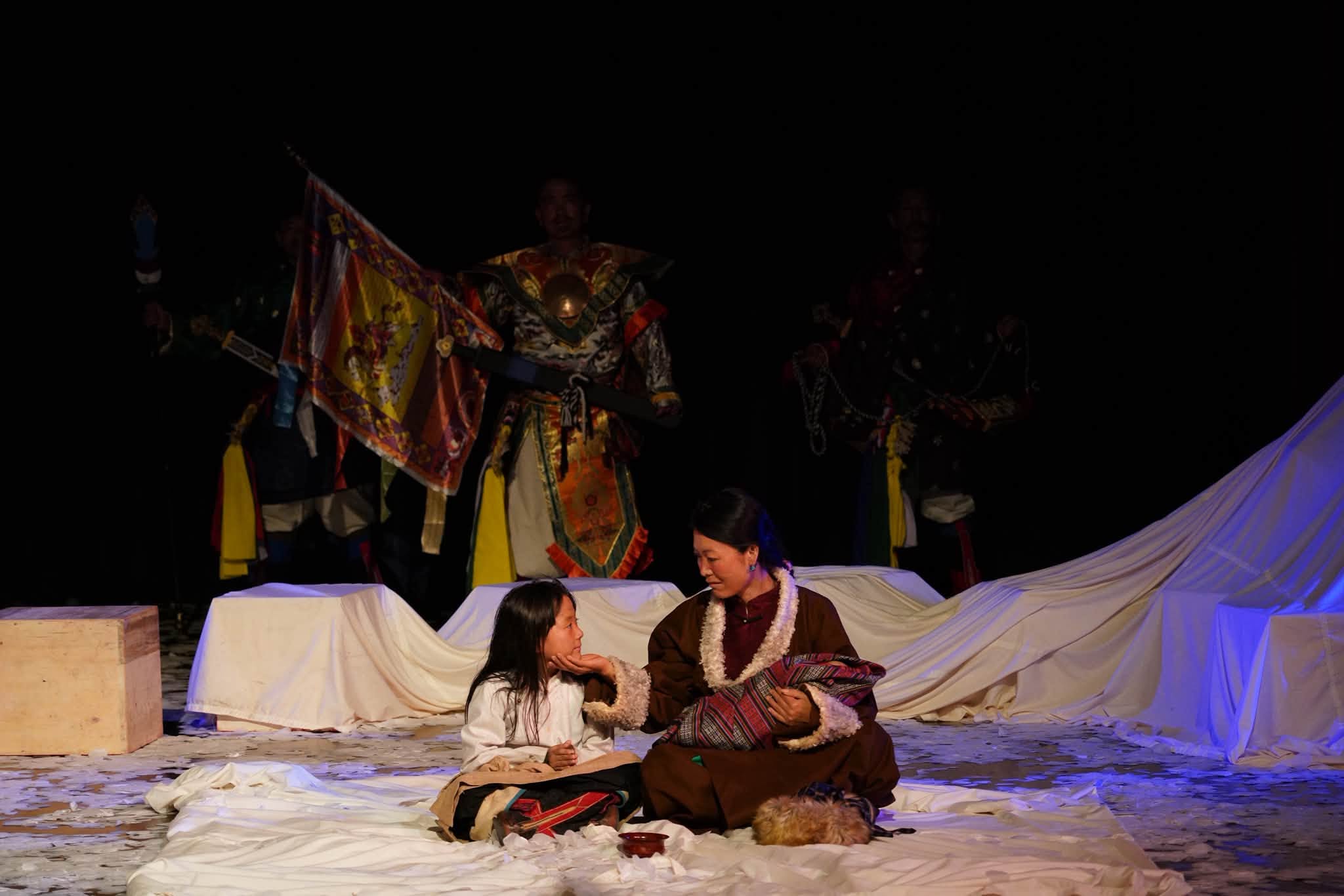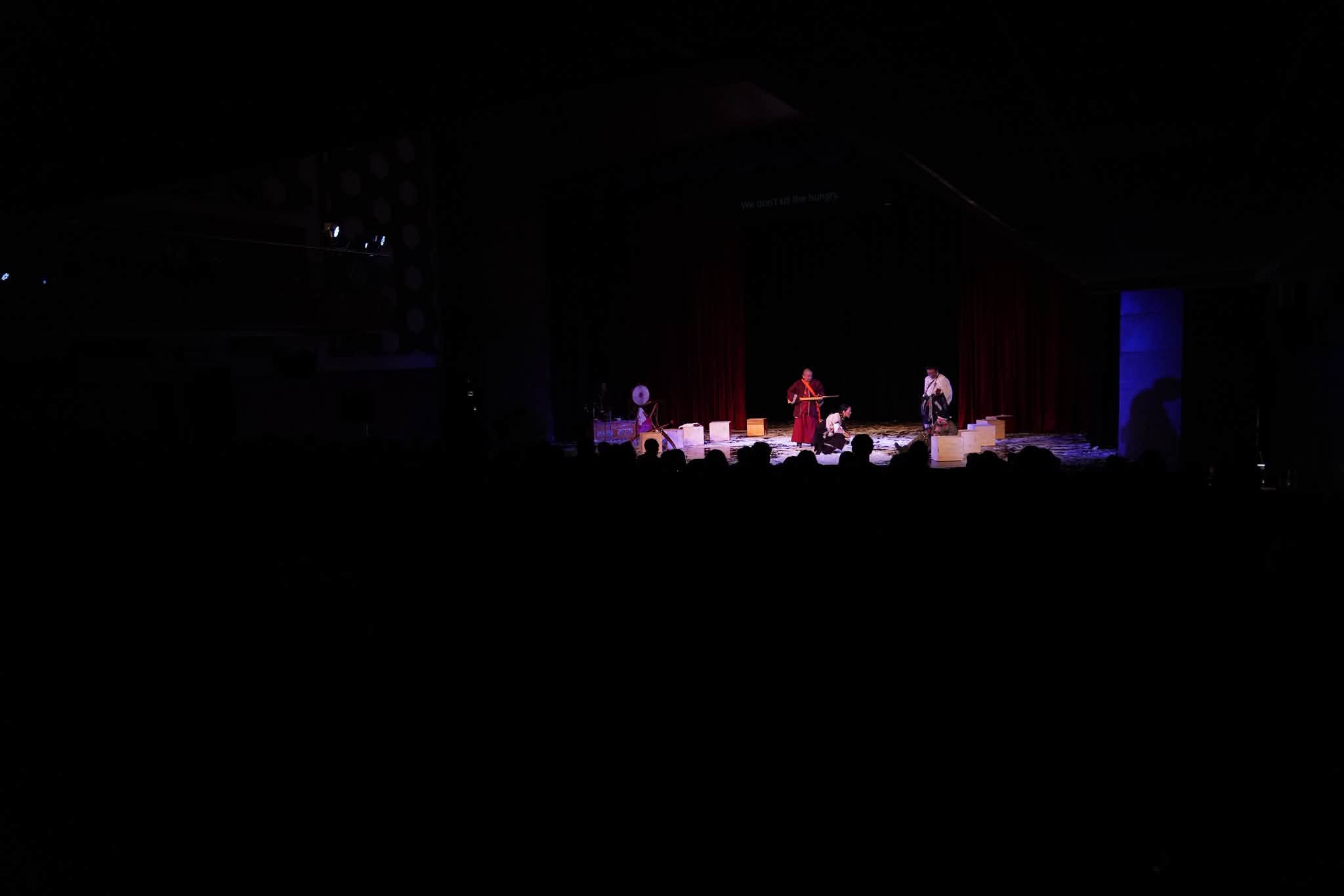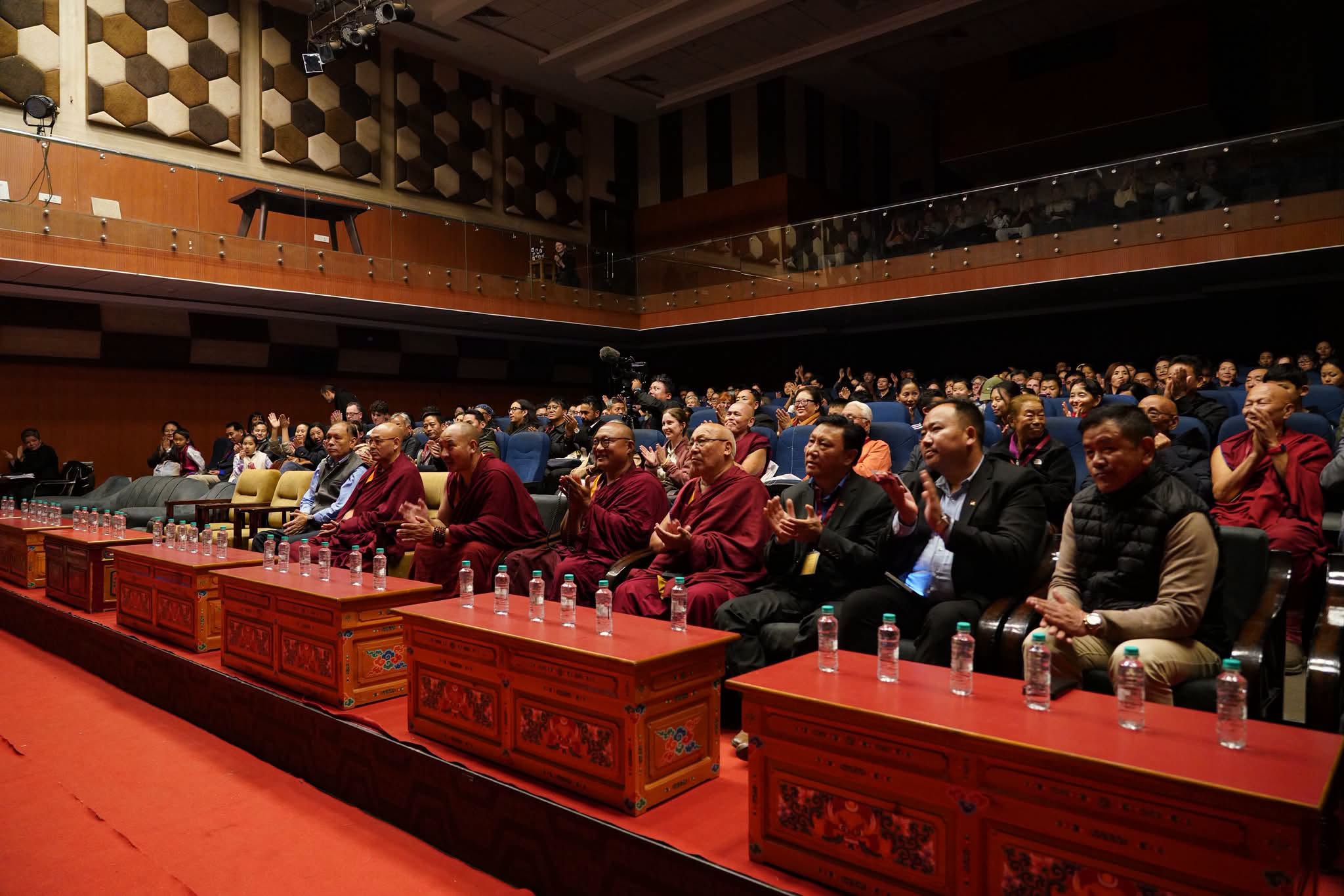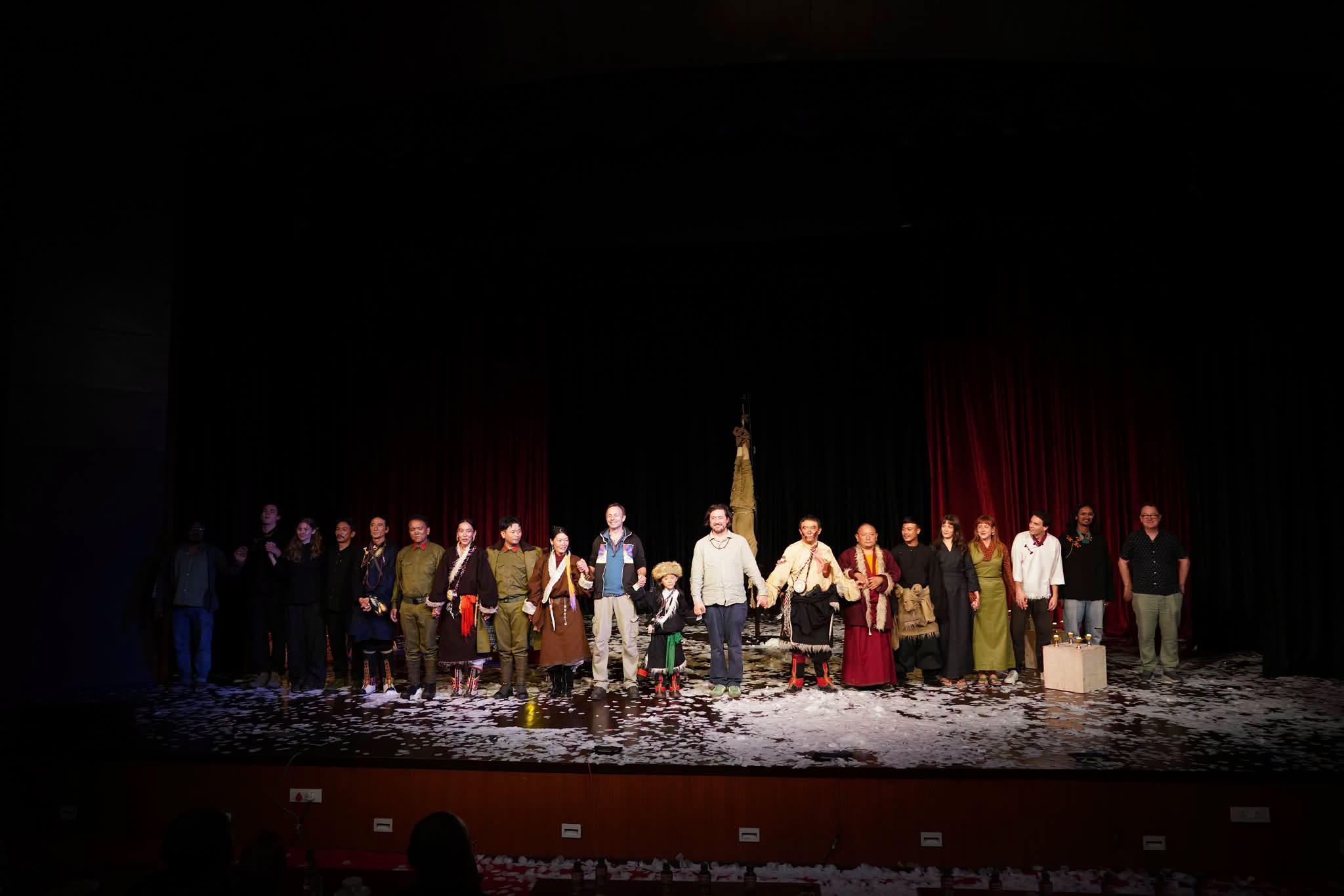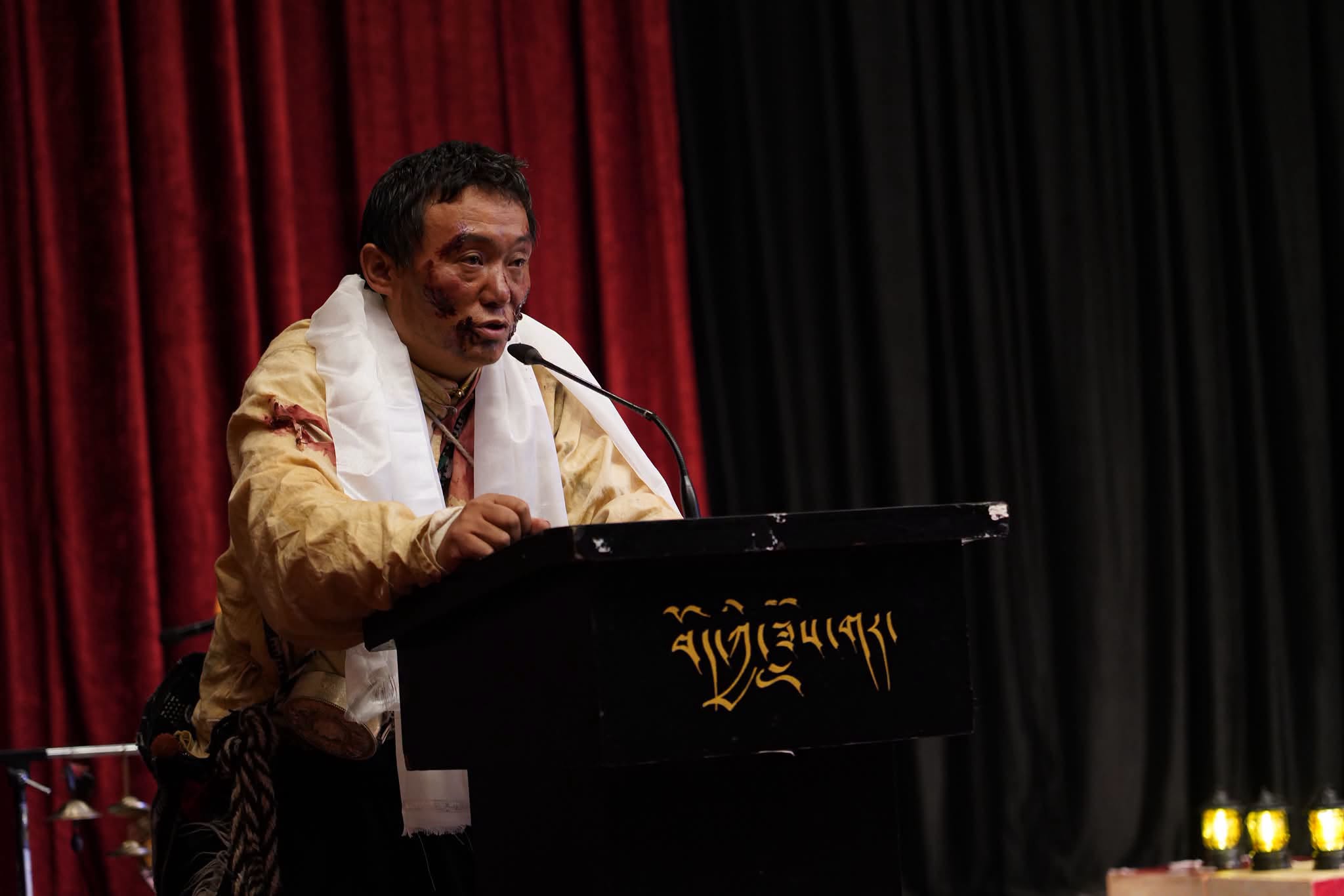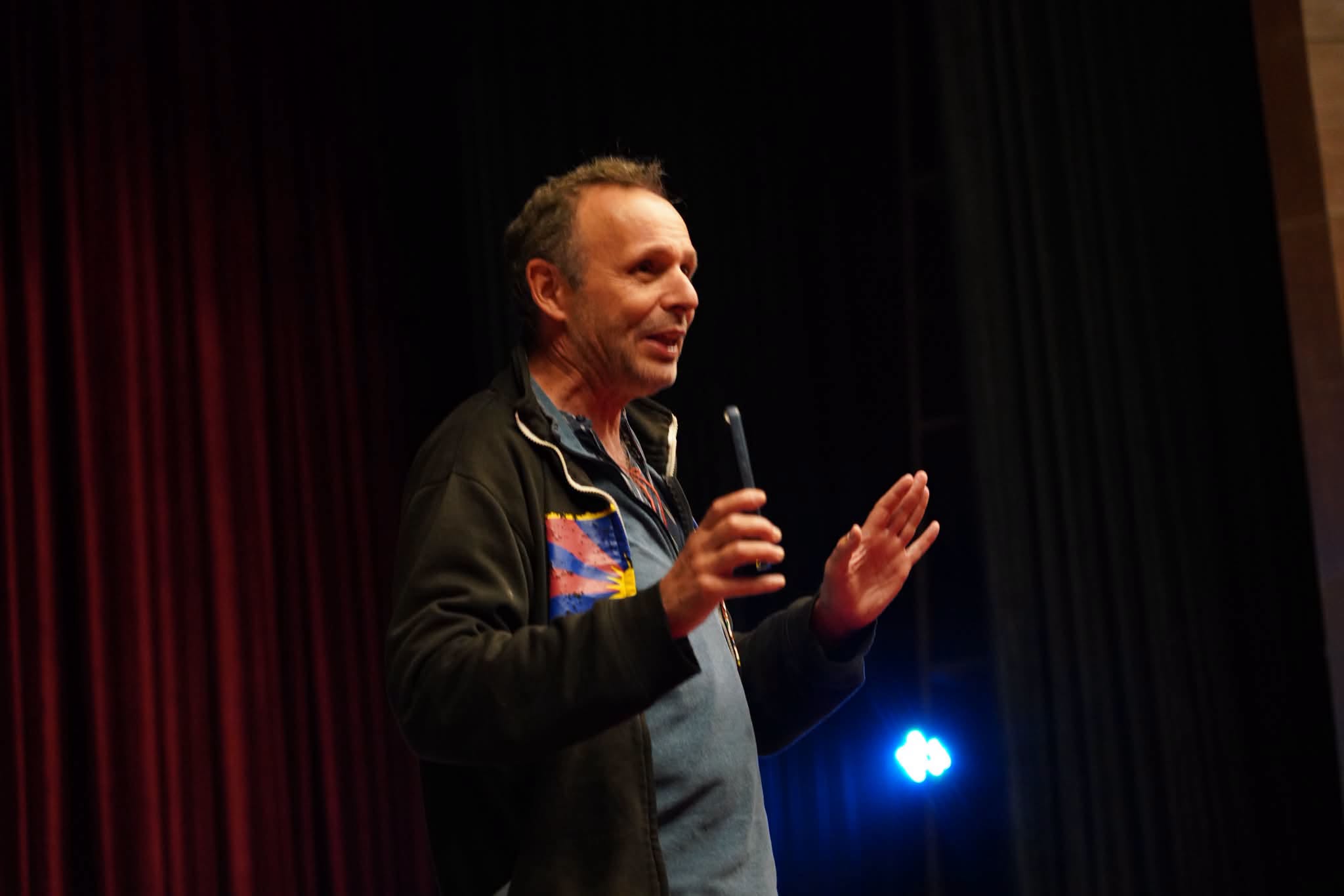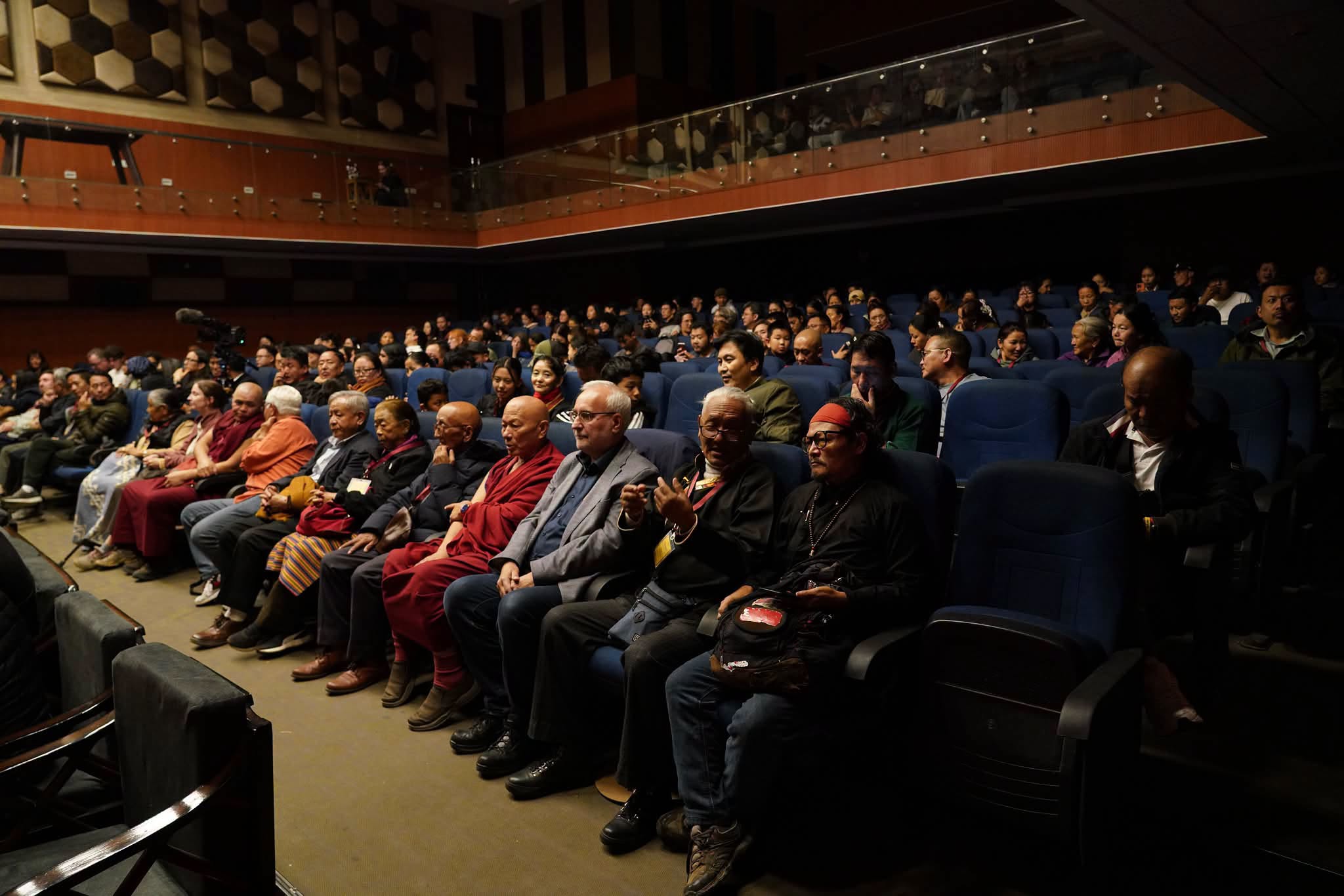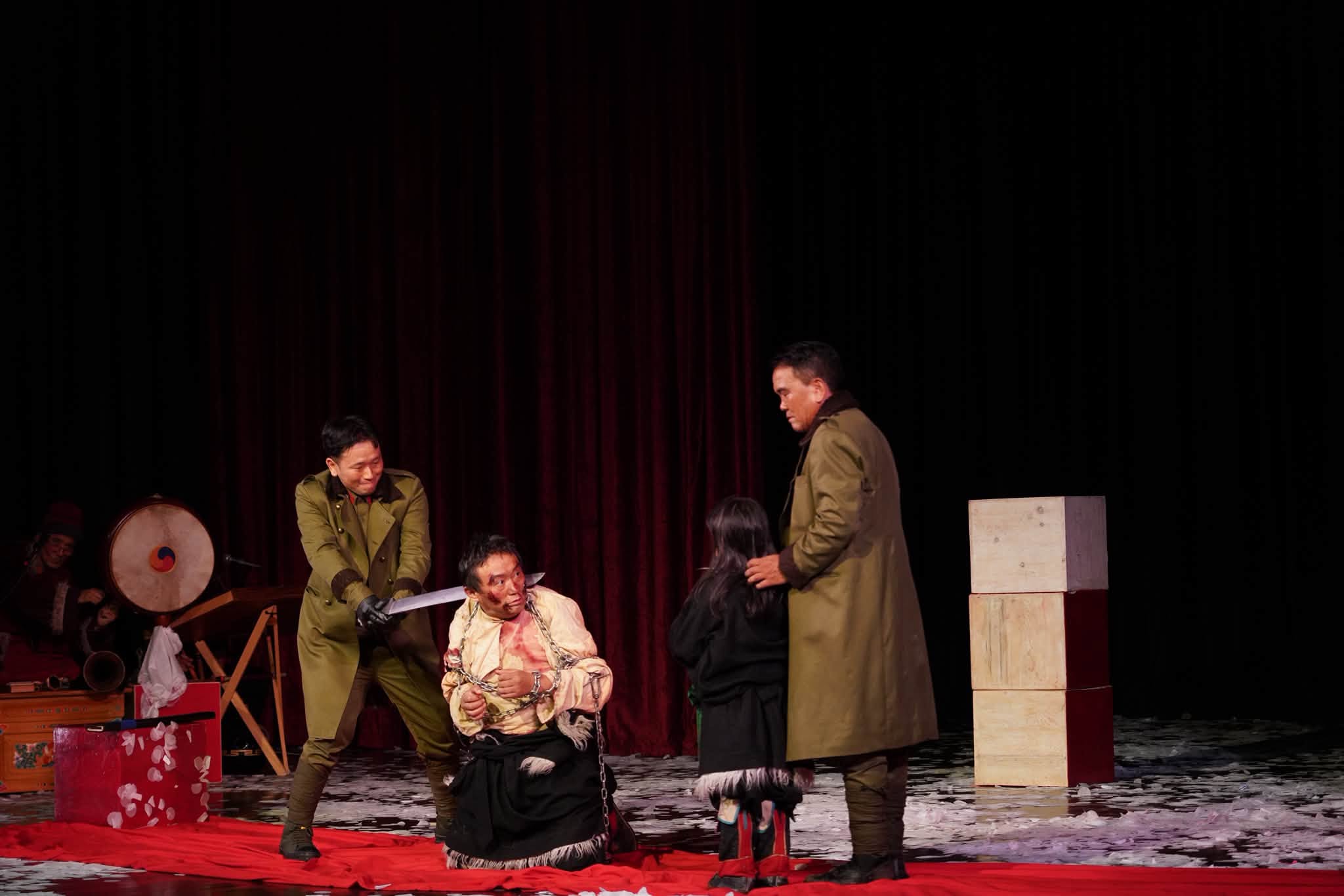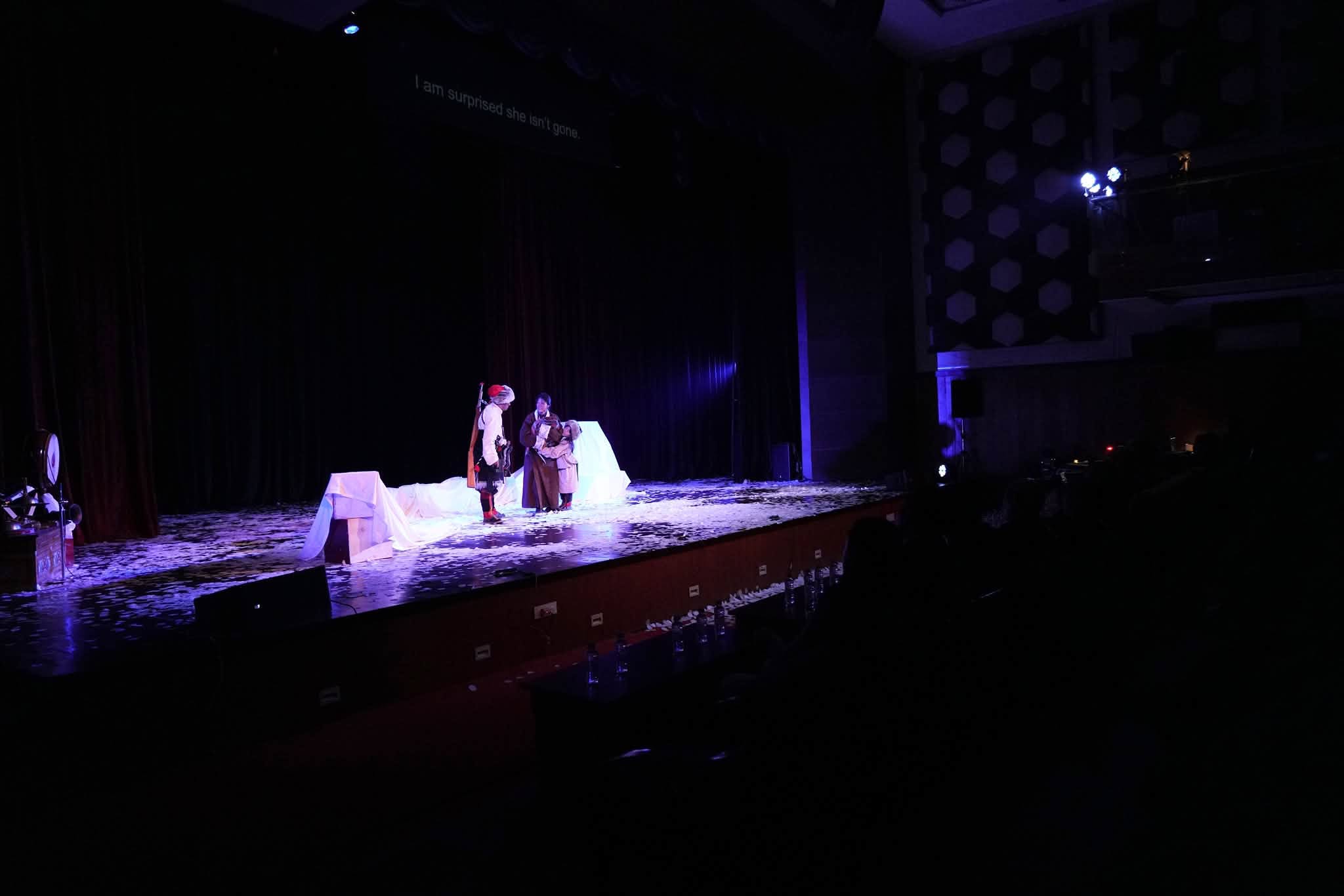
Dharamshala: The Tibetan theatrical production Phayul (Homeland), a prequel to the acclaimed play Pah-Lak (Father), officially premiered on October 9, 2026, at the Tibetan Institute of Performing Arts (TIPA) Hall in Dharamshala.
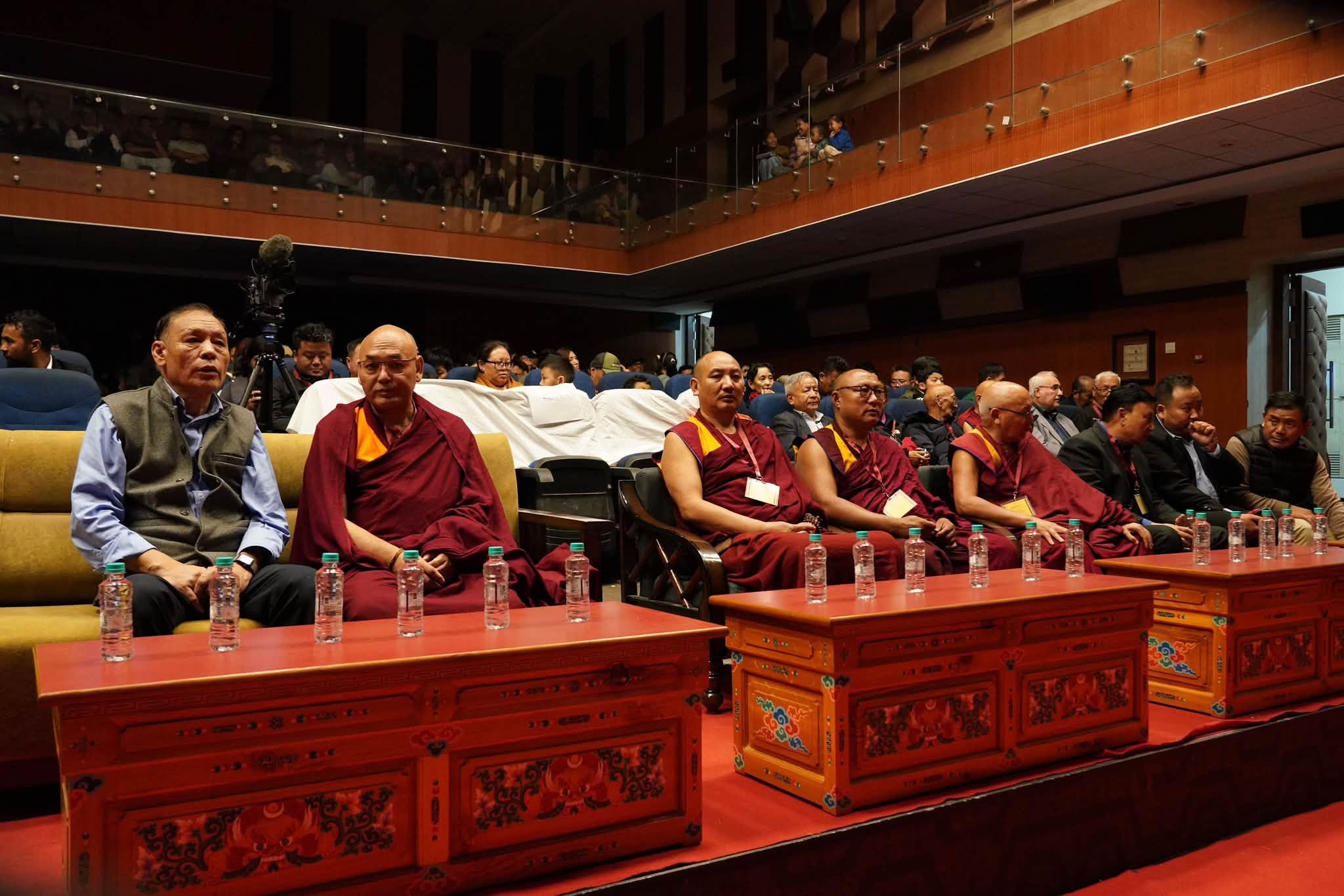
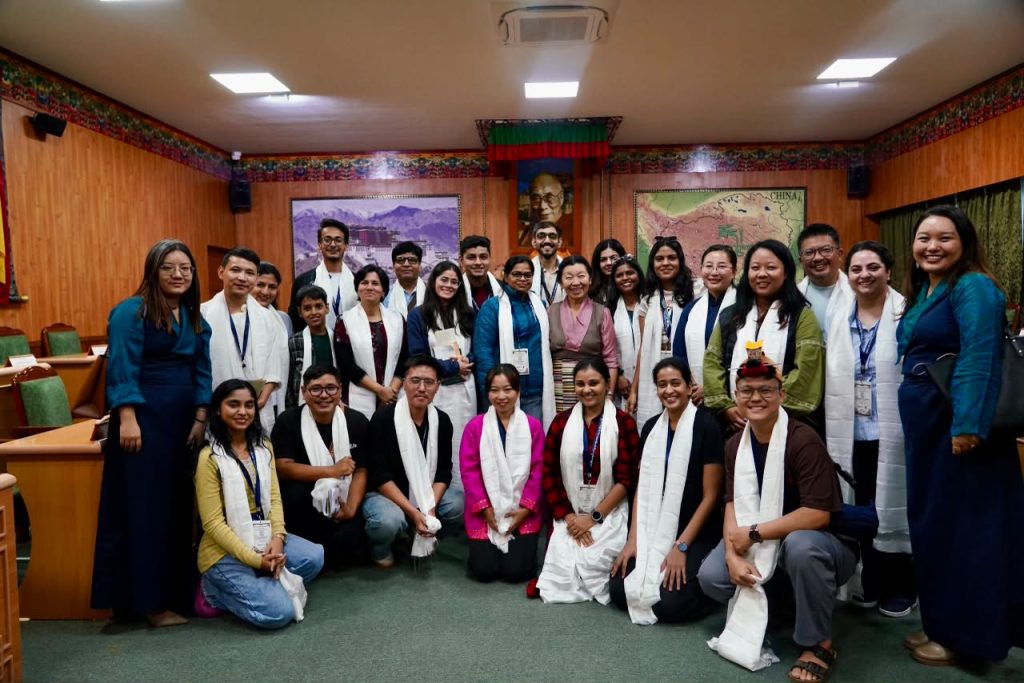
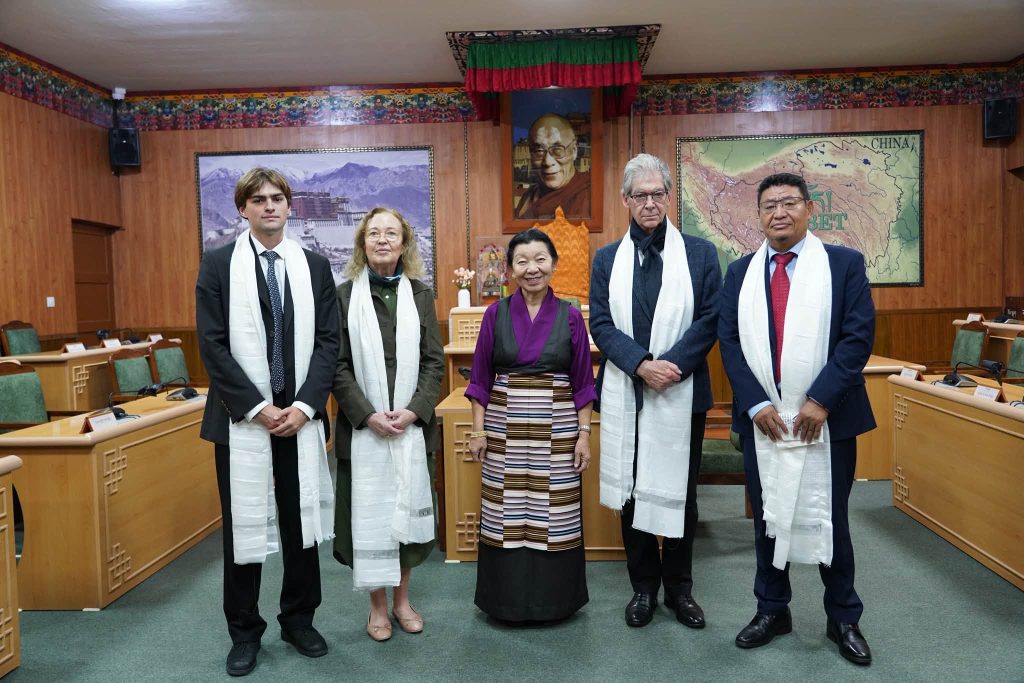
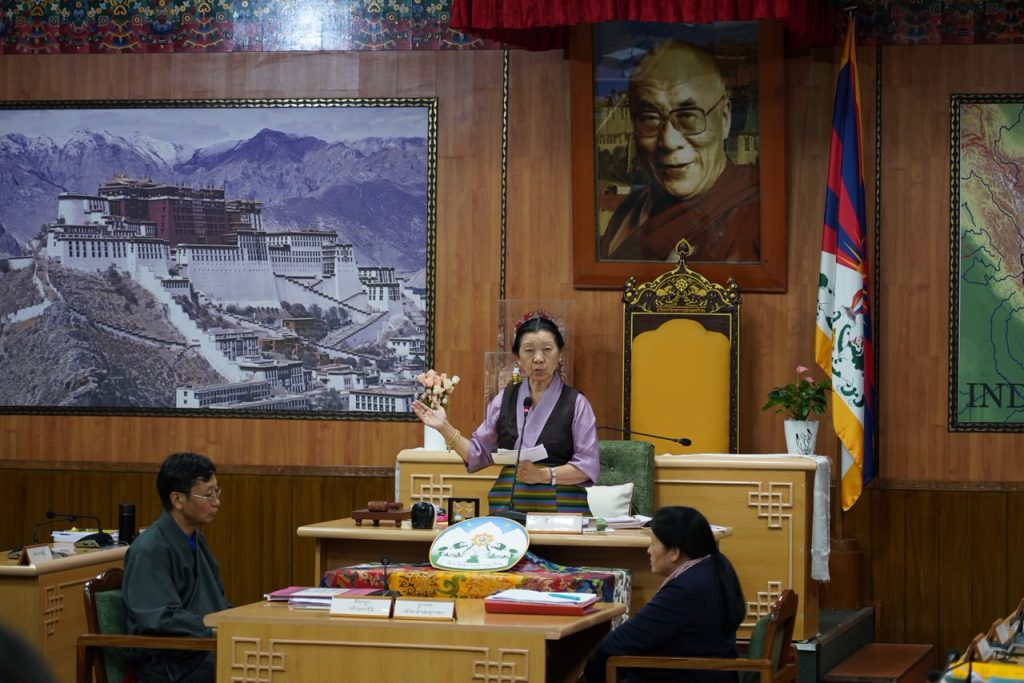
The event was attended by Deputy Speaker Khenpo Sonam Tenphel, Justice Commissioner Dawa Phunkyi, Department of Home (DoH) Kalon Palden Dhondup, MPs Lopon Thubten Gyaltsen and Gonpo Dhundup, along with other dignitaries.
Written by Indian playwright Abhishek Majumdar, the production was co-directed by Lhakpa Tsering and Harald (Harry) Fuhrmann.
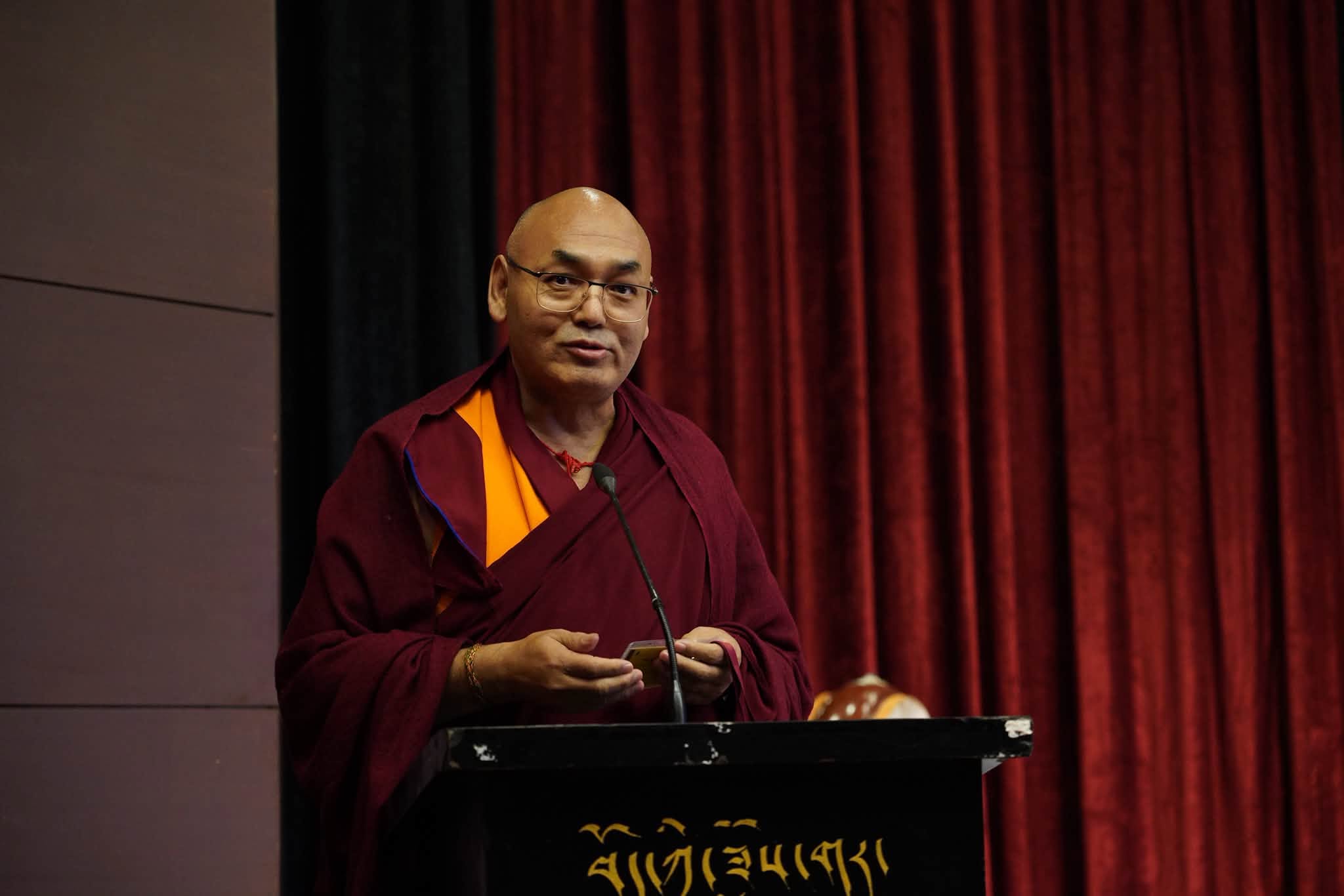
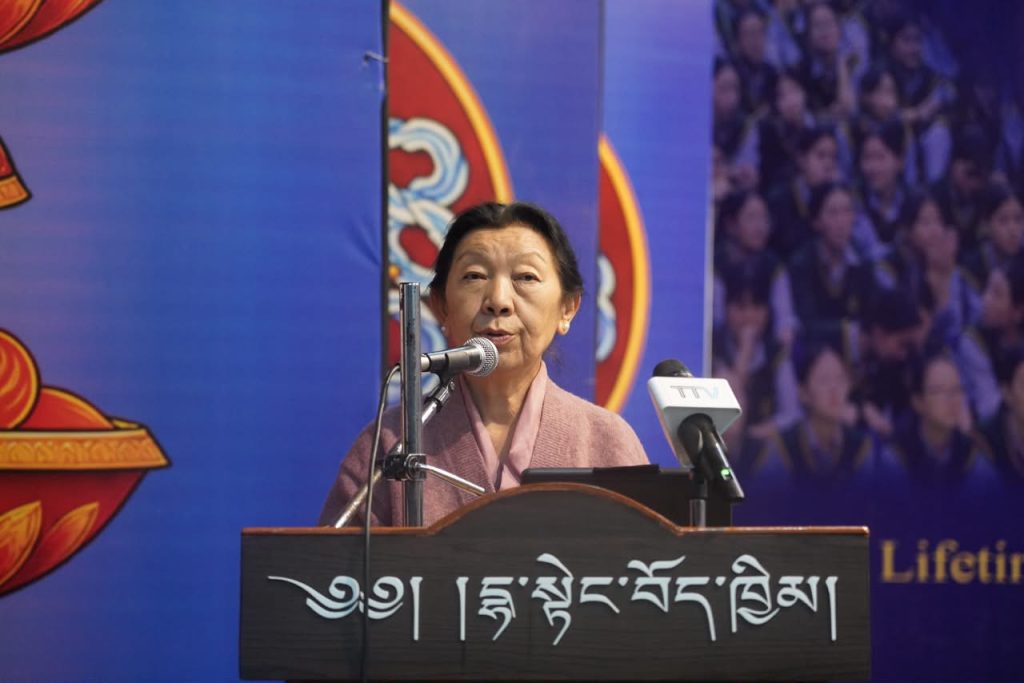
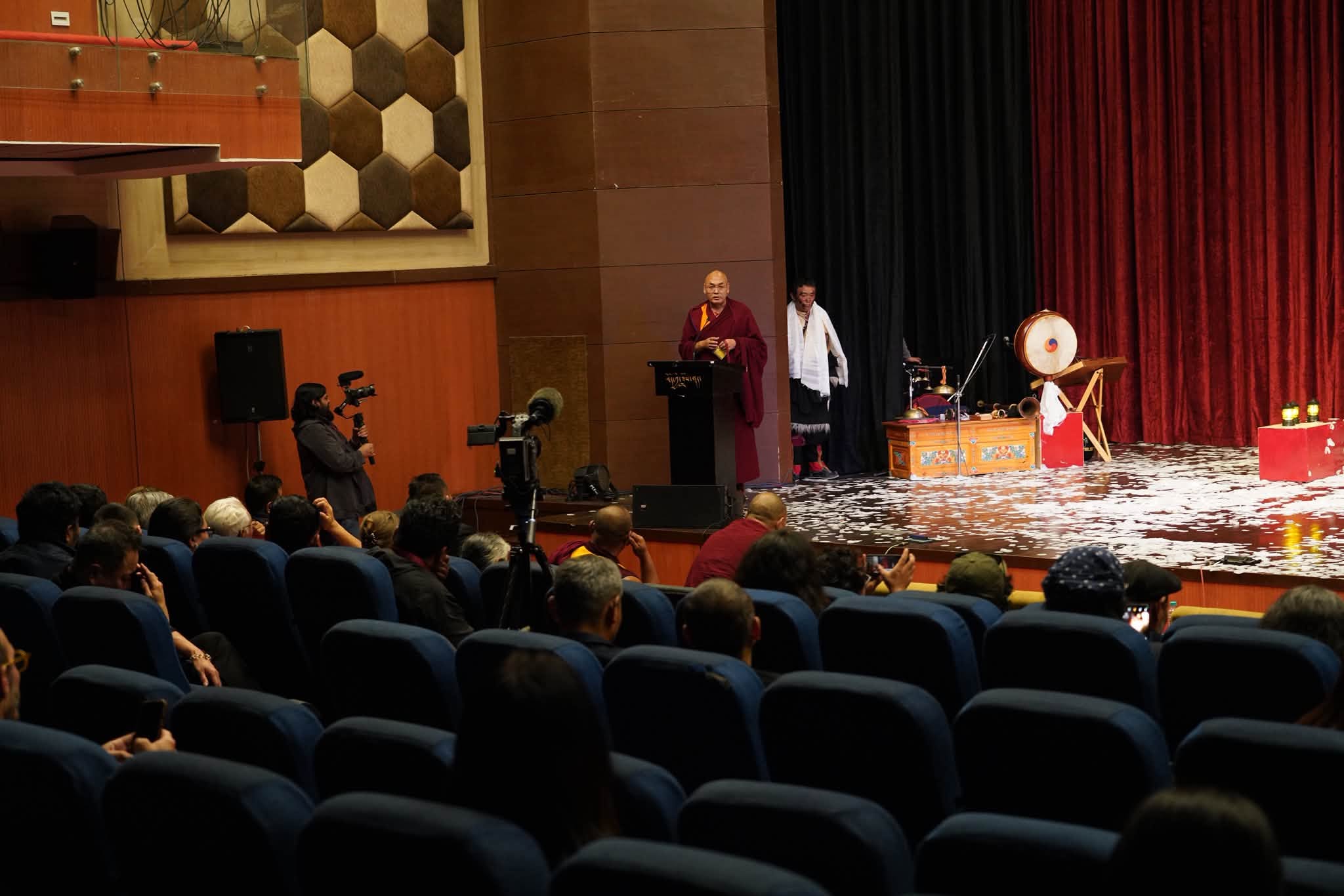
In his address following the performance, Deputy Speaker Khenpo Sonam Tenphel praised the cast and crew for their artistic excellence, dedication, and hard work. Describing the production as a realistic drama, he commended the performers and the storytelling, expressing heartfelt gratitude to everyone involved in bringing the play to the stage.
He noted that although the performance lasted approximately one hour, it was the culmination of extensive rehearsals, preparation, and behind-the-scenes efforts. He extended special appreciation to the cast and crew for their commitment and contribution.
Providing historical context for the play, the Deputy Speaker observed that its setting, approximately seventy years ago, coincided with a period when many countries around the world were gaining independence, including India. However, he noted that the same period also saw the expansion of the Chinese Communist Party’s influence, while Tibetans were unable to sufficiently broaden their modern outlook and strategic vision.
Drawing lessons from the production, he emphasized the importance of maintaining morale throughout the Tibetan struggle and developing strong, forward-looking leadership strategies. He said the play offered valuable insights into these challenges and underscored the need to reflect on them in the years ahead.
The Deputy Speaker also highlighted Tibet’s rich historical heritage, cultural legacy, and the courage and achievements of its ancestors. He urged Tibetans to draw inspiration from their forebears, make personal sacrifices for the cause, and work continuously to preserve their identity, culture, language, and traditions. He added that the performance had evoked a particularly profound sense of national consciousness and responsibility.
Noting that approximately ten actors performed on stage, with around twenty-one people involved in the production overall, he stressed that the dedication demonstrated by the cast and crew should serve as an example for the younger generation. He further emphasized the importance of sustaining a strong sense of national identity and an unwavering national spirit. Reflecting on the past six decades of the Tibetan struggle, he observed that an entire generation that experienced the profound hardships and sacrifices of an earlier era was gradually passing away. He stressed the importance of preserving their experiences and ensuring that the suffering endured by Tibetans inside Tibet is neither forgotten nor overlooked.
The Deputy Speaker underscored the need to share Tibet’s history and the realities of its people’s experiences with the international community. He called for historical facts to be presented internationally to advance understanding of Tibet’s historical status as a free and independent nation, as well as its distinct ethnic identity and unique cultural heritage.
He described theatrical and cultural performances as valuable platforms for bringing people together, generating emotional connections, and raising awareness of the Tibetan issue among wider audiences. He encouraged artists and cultural practitioners to take productions such as Phayul to international stages and audiences in other countries.
Addressing the suffering endured by Tibetans under Chinese Communist rule, he condemned the atrocities committed in Tibet as inhumane. Referring to a line from the play in which a character expresses disbelief at the suffering inflicted on Tibetans, he noted that the brutality portrayed was beyond human comprehension and that the suffering experienced by its victims was unbearable. He urged the current generation to remain committed to contributing to the Tibetan struggle in the face of these continuing hardships.
Concluding his address, the Deputy Speaker expressed his sincere appreciation to everyone who performed in the production and contributed to developing its story. He observed that while some audience members may have attended simply to watch a theatrical performance, the title Phayul (Homeland) itself would have inspired many to attend with a deeper sense of national pride and emotional connection.
He emphasized that such feelings must be nurtured and sustained, calling on Tibetans to preserve their national consciousness, identity, and pride. He concluded by reiterating his heartfelt thanks to the actors, creative team, and all those who supported the production.