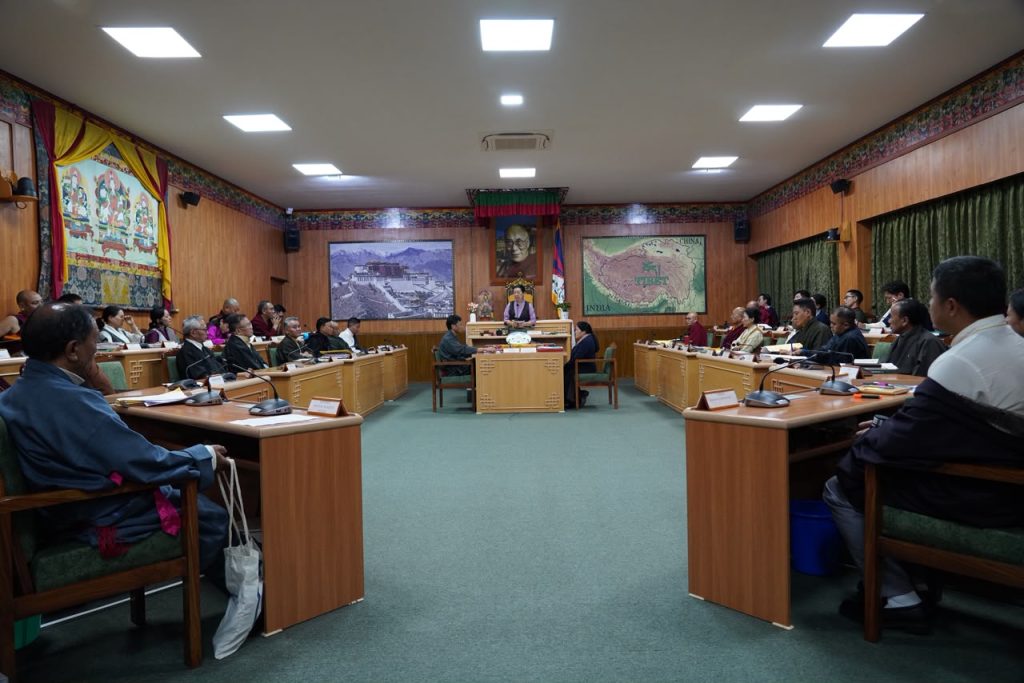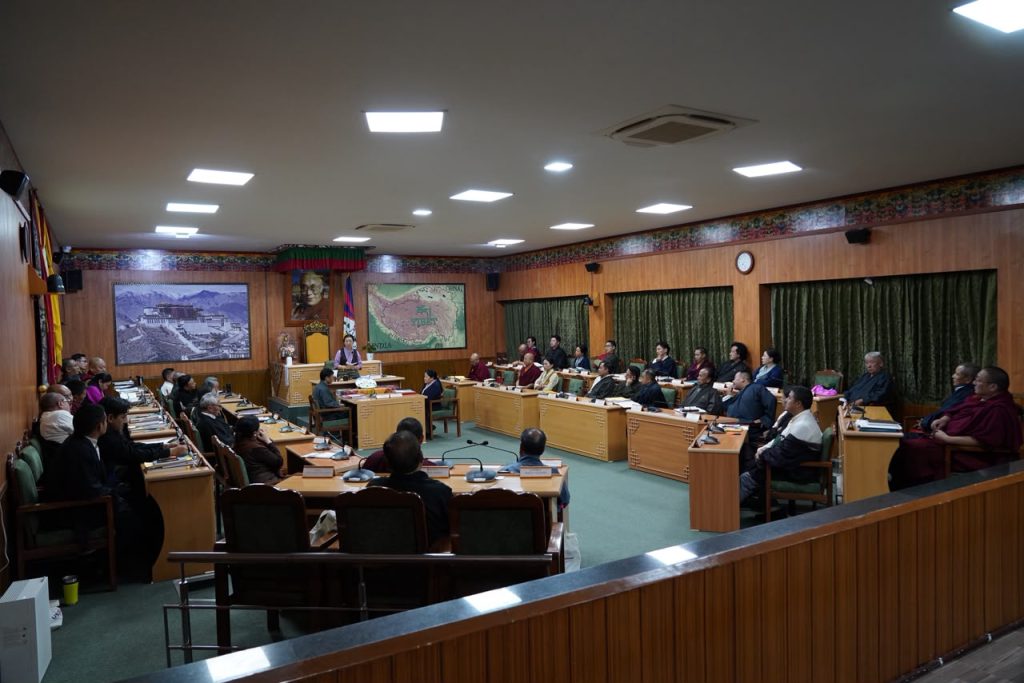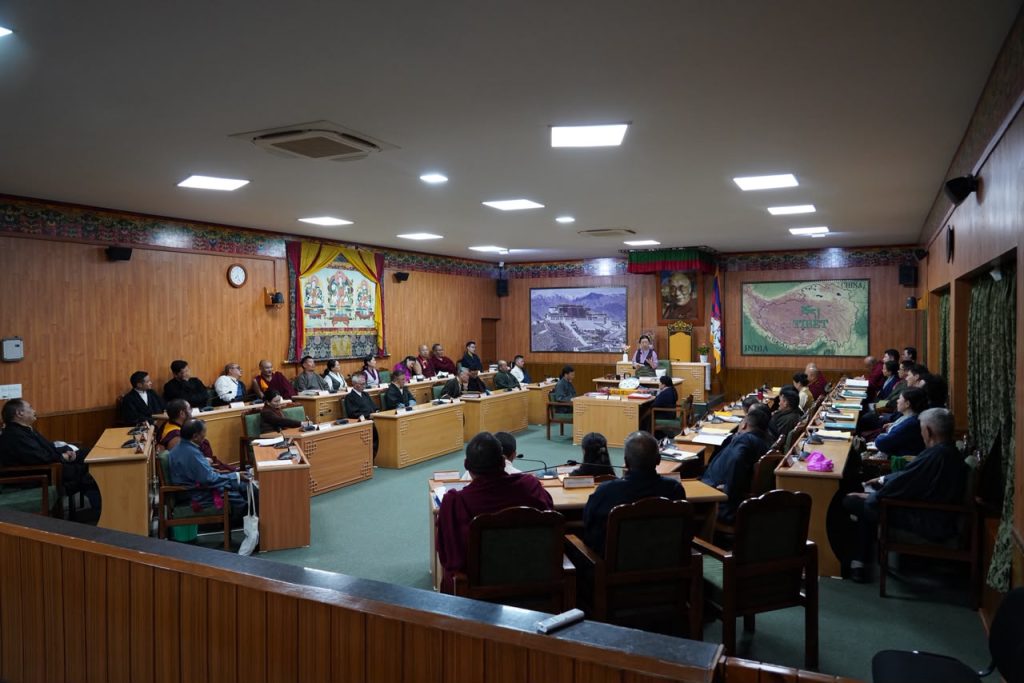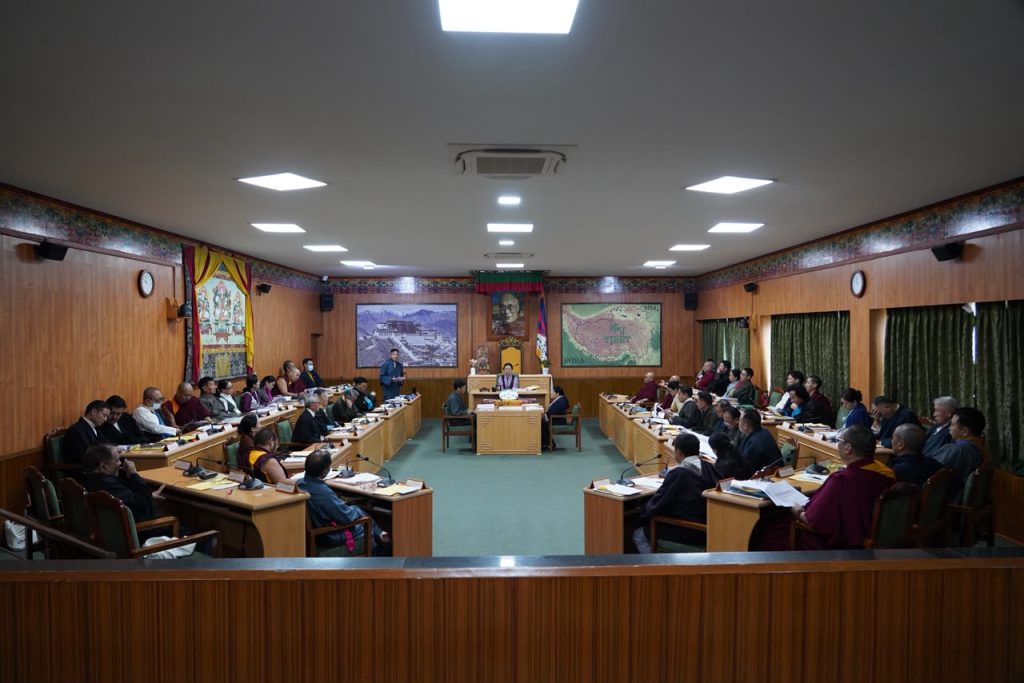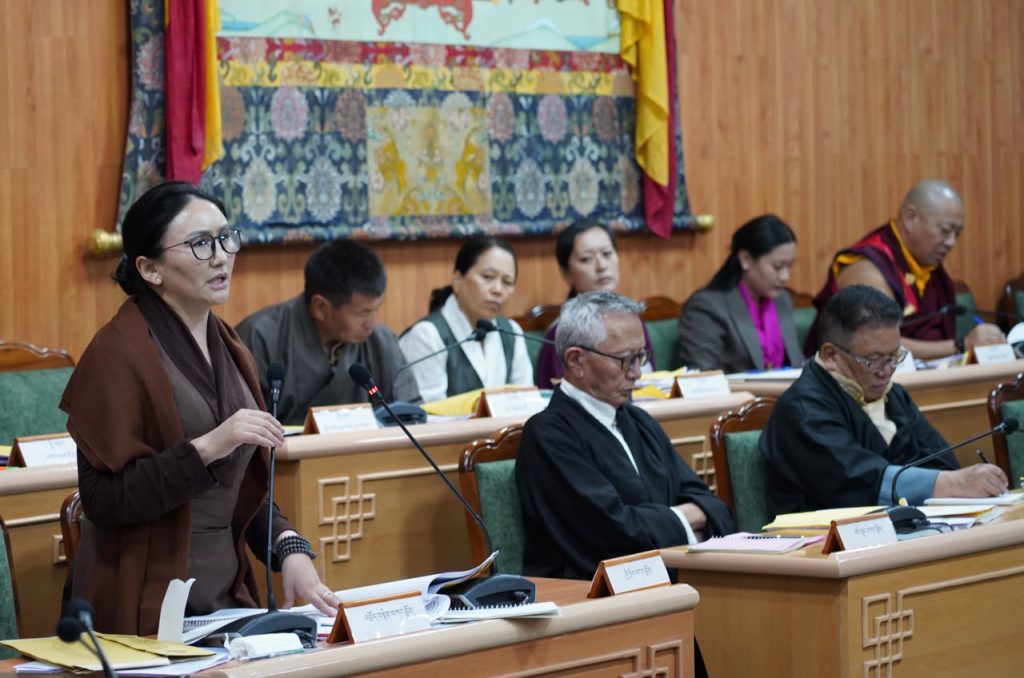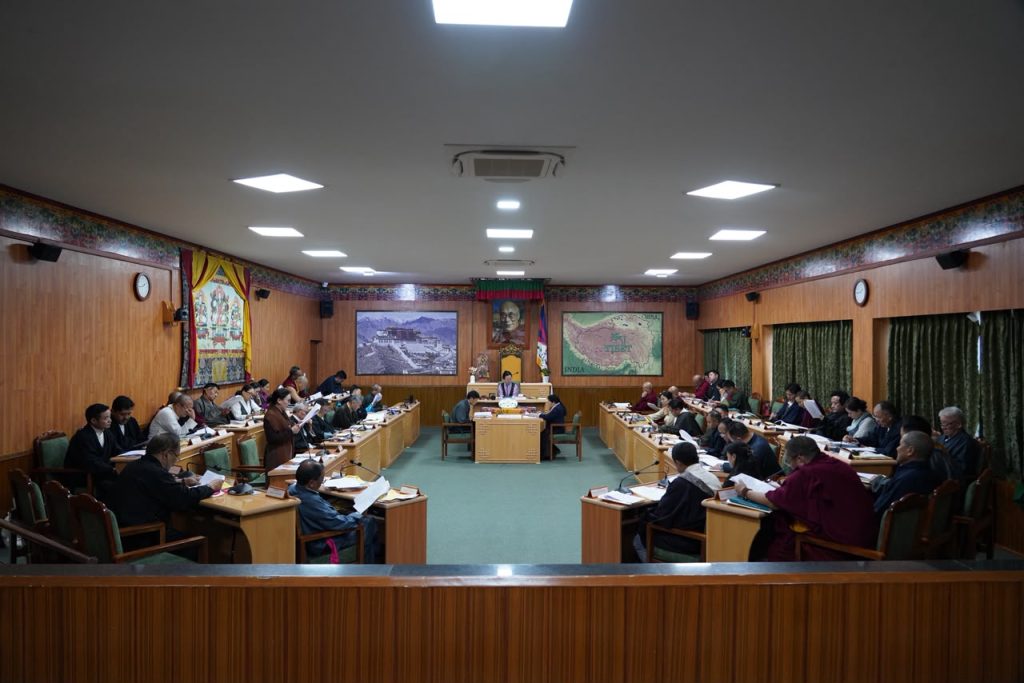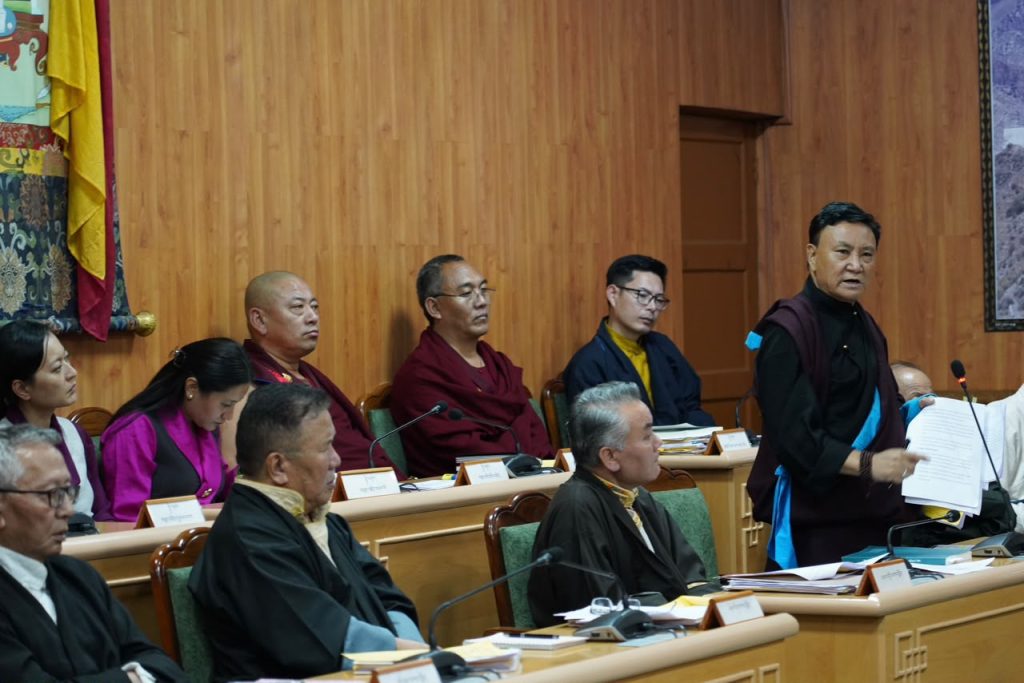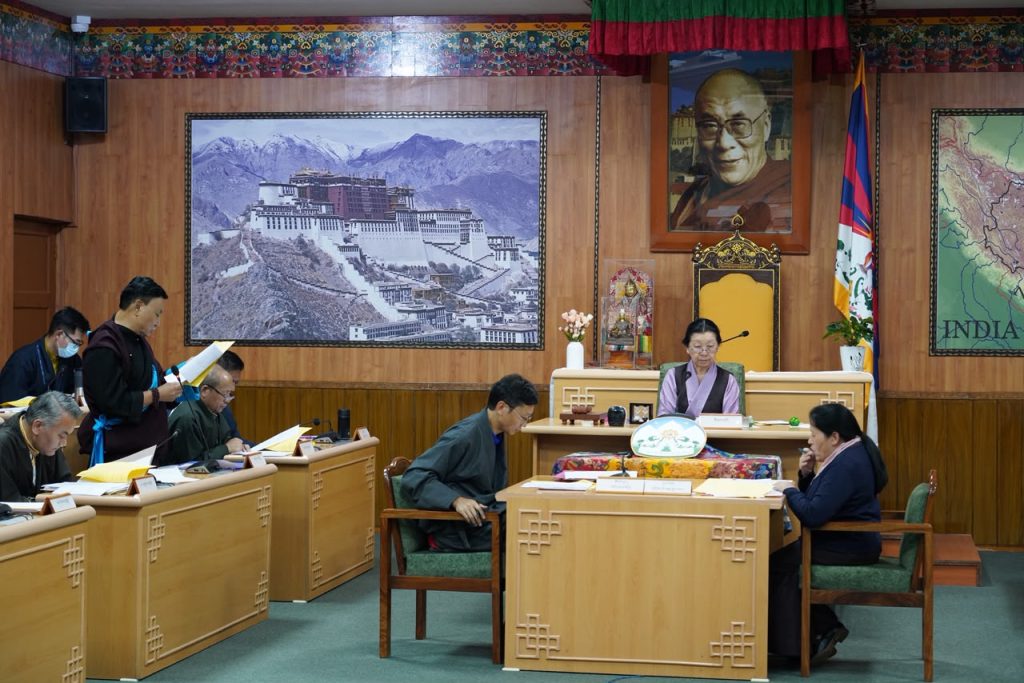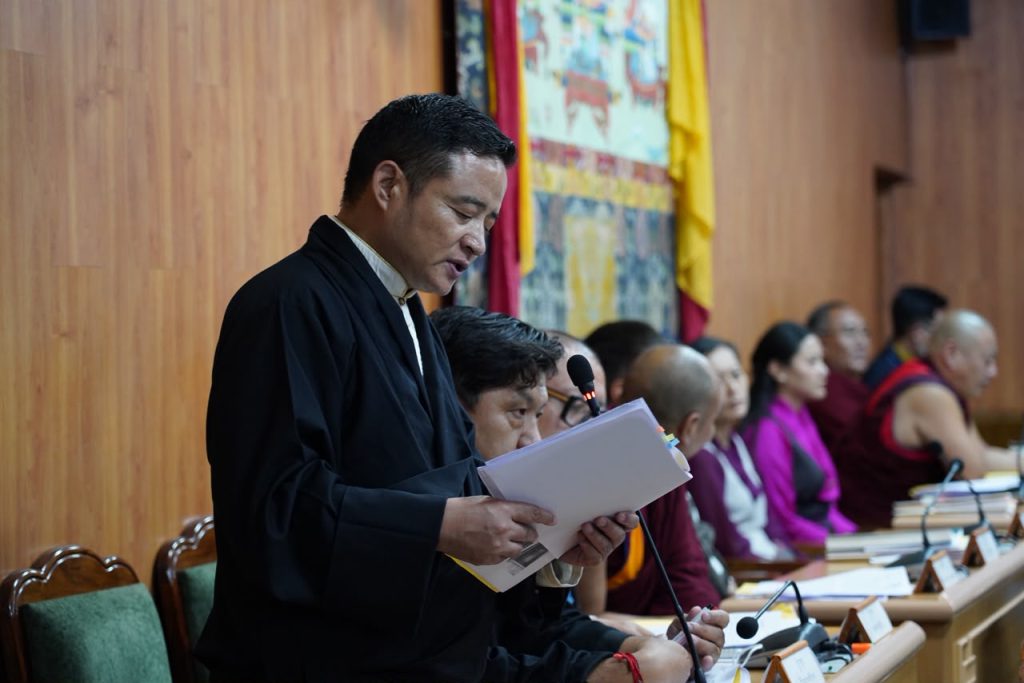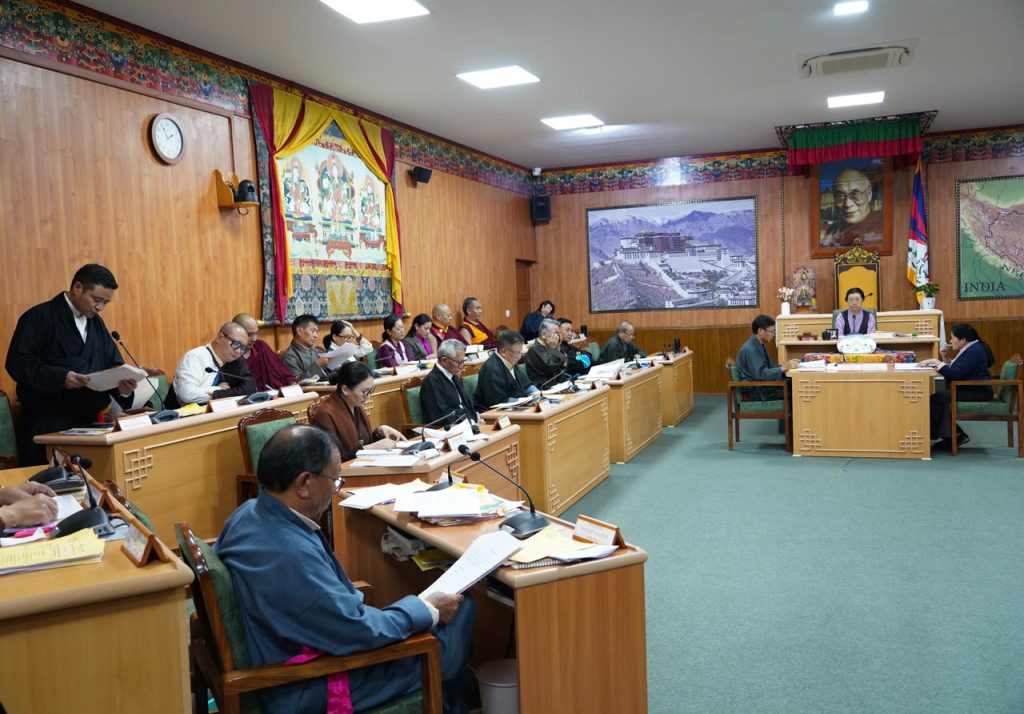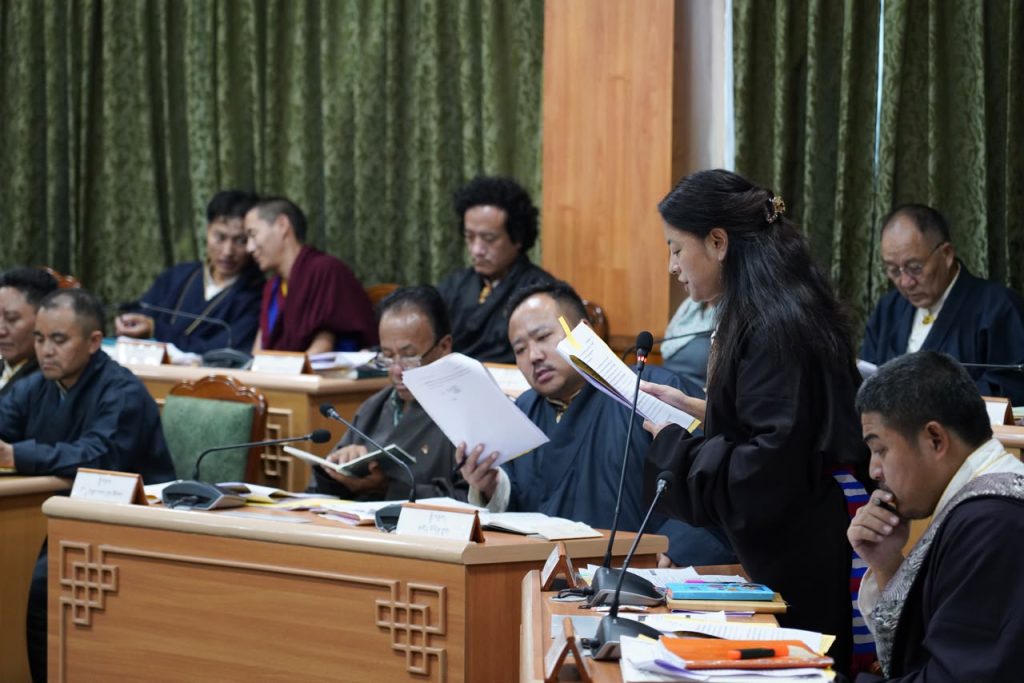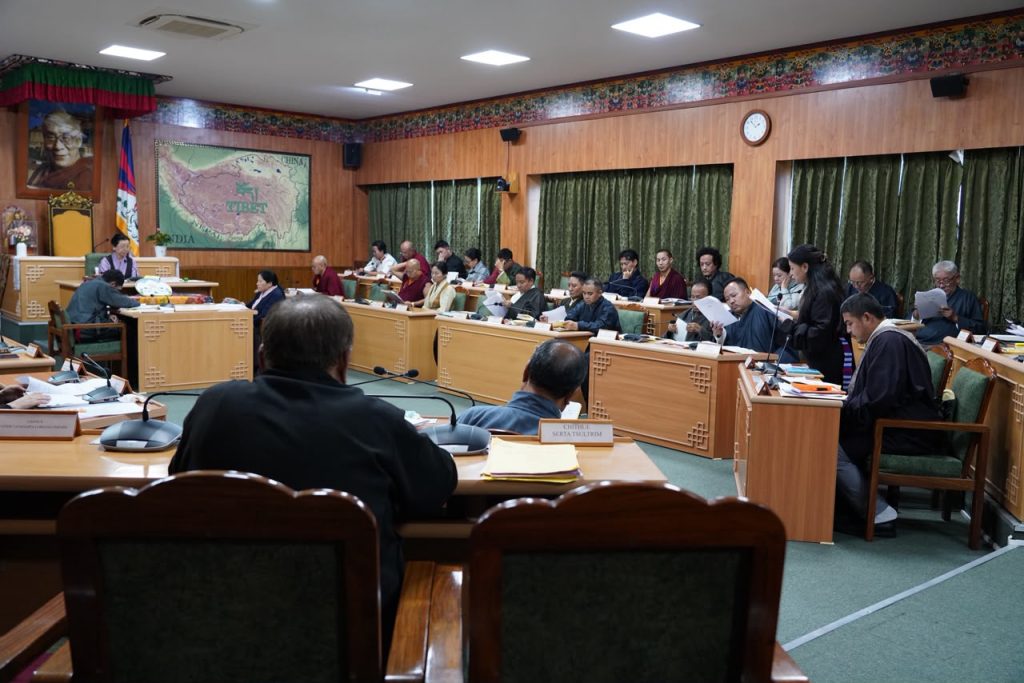
Dharamshala, 25 September 2026: The 18th Tibetan Parliament-in-Exile successfully concluded its second session after deliberating on the reports of the seven departments of the Central Tibetan Administration, amendments to the Rules of the Public Service Commission (PSC), passing resolution on the constitution of the 13th Public Accounts Committee, the passage of three obituary references, an official solidarity resolution concerning the critical situation inside Tibet, and a resolution mandating the use of the Tibetan language, without mixing it with other languages, by the leaders, officials, and staff of the Central Tibetan Administration in carrying out their official duties.
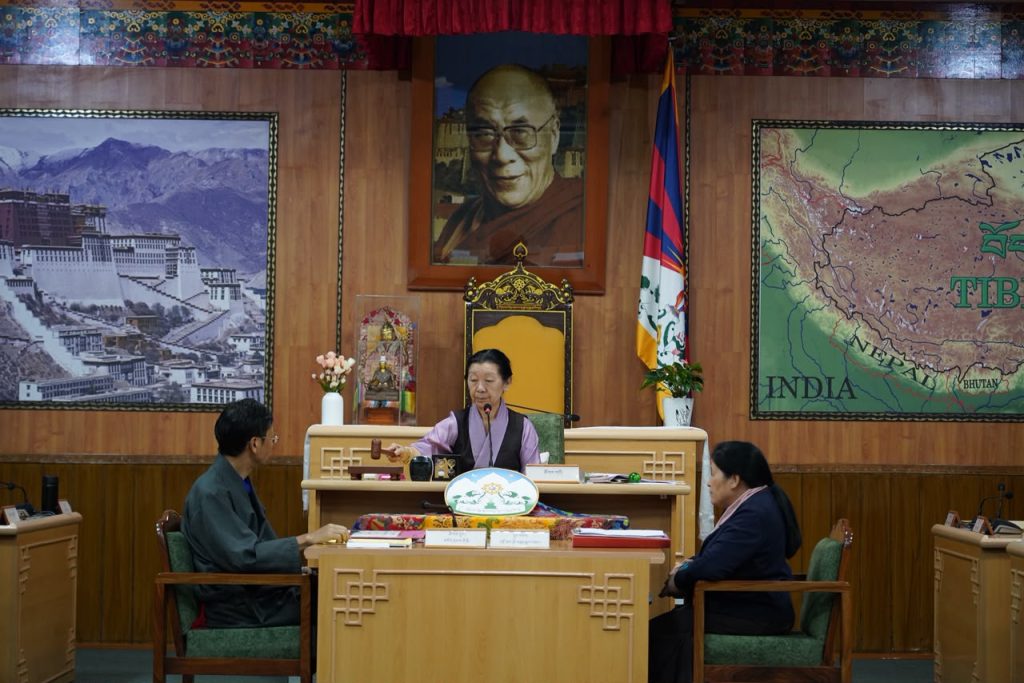
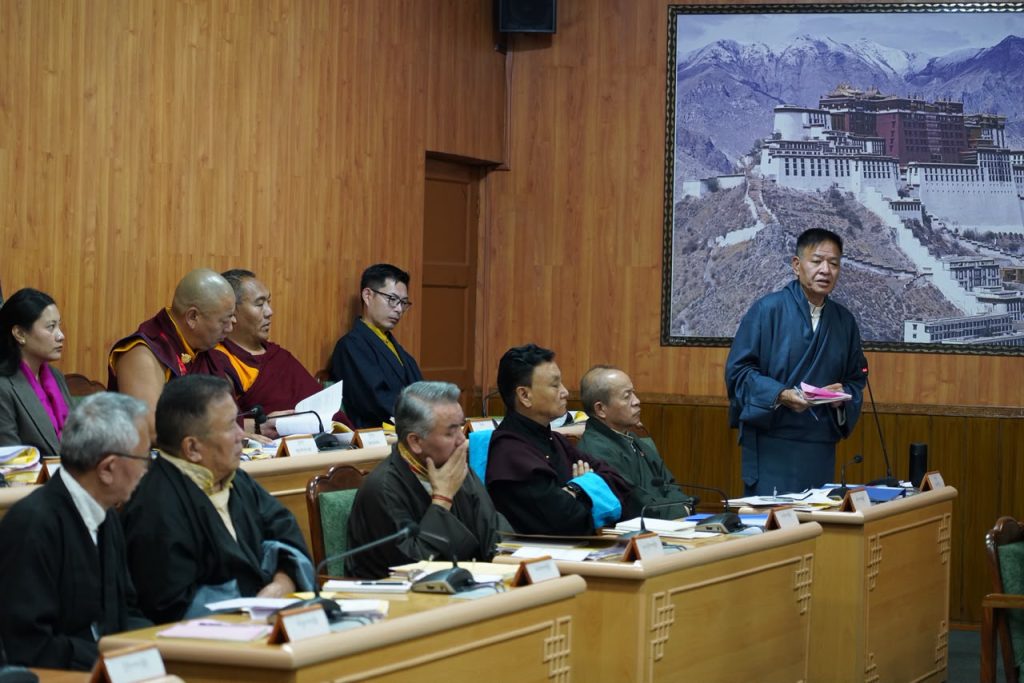
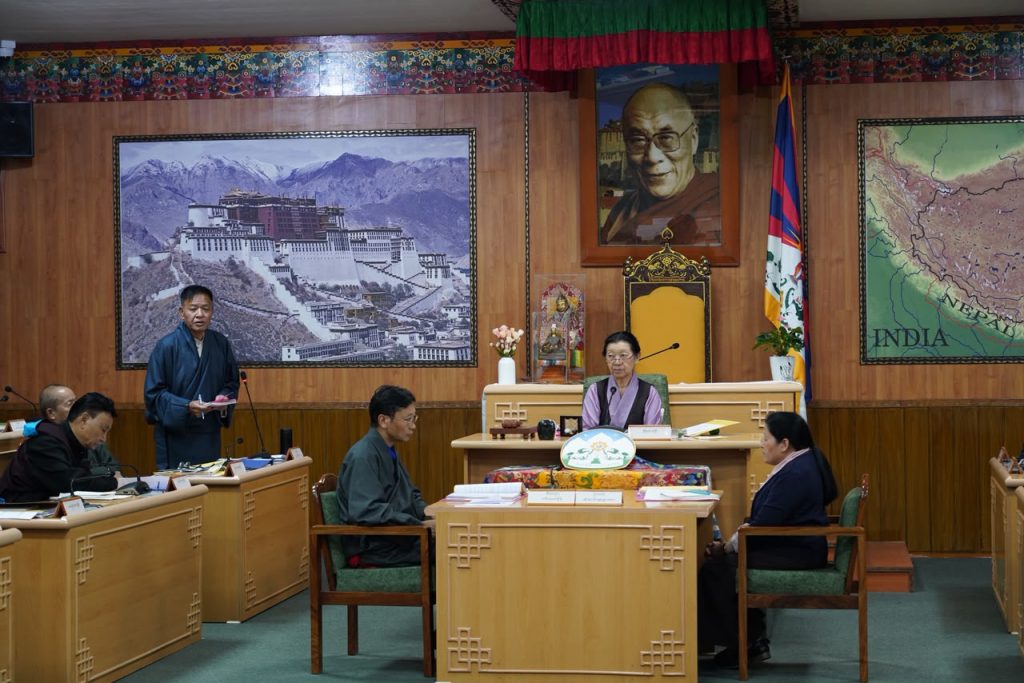
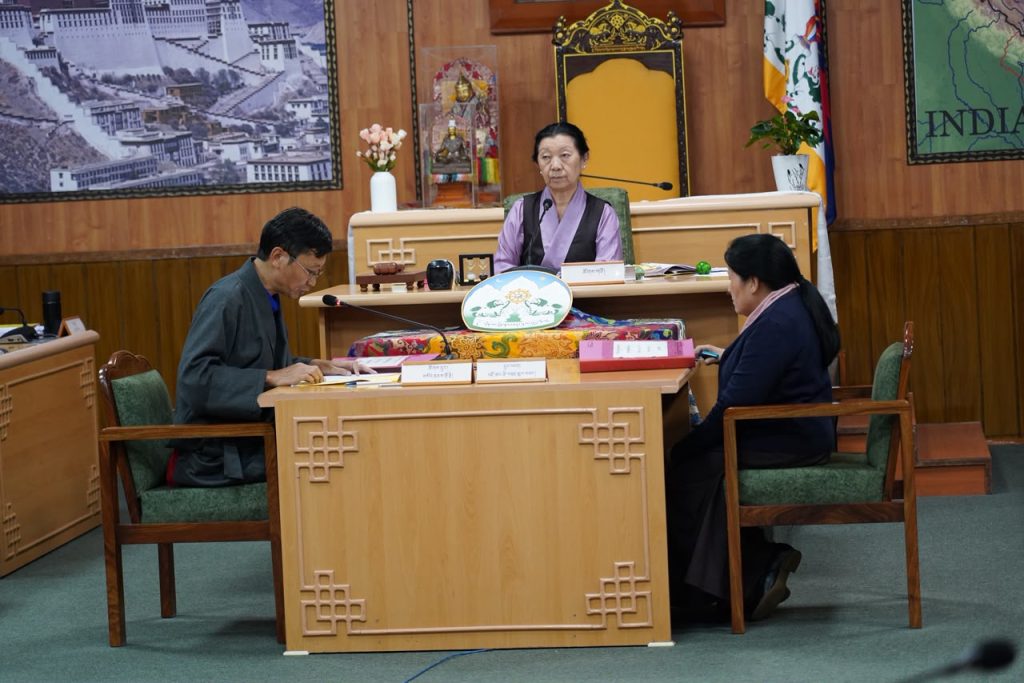
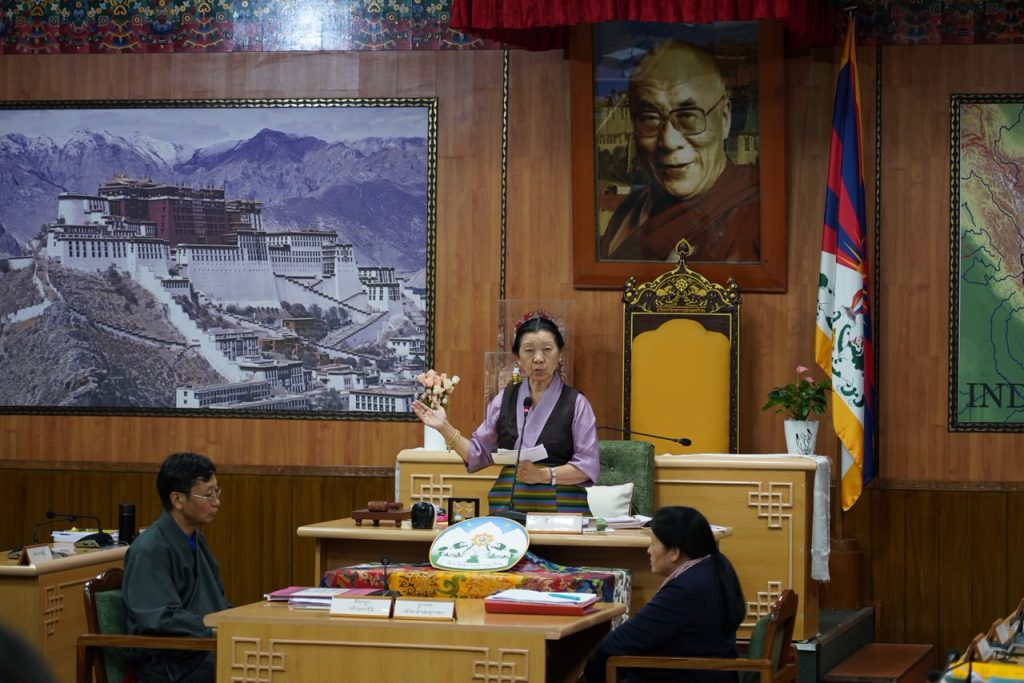
Chaired by Speaker Dolma Tsering Teykhang, the ninth day of the second session of the 18th Tibetan Parliament-in-Exile commenced with deliberation on the DIIR’s annual report with DIIR Kalon Penpa Tsering providing clarifications in response to questions raised in the House.
The discussion highlighted the importance of imparting accurate and relevant information about Tibet to a wider audience. Particular emphasis was placed on the need to produce concise and engaging short videos on Tibet-related issues and share them through social media platforms, in order to reach a broader audience, especially younger generations.
The discussion also underscored the importance of strengthening unity and solidarity among Tibetans and encouraging the collective efforts of every Tibetan toward the common cause of Tibet. In this context, the final message of Tibetan martyr Lobga Rangzen was recalled as a powerful reminder of the responsibility and collective commitment required from Tibetans.
The research articles and publications produced by the Tibet Policy Institute were also appreciated for their contribution to generating greater awareness and understanding of Tibet-related issues. There was further discussion on the need to expand the Institute’s research and outreach activities so that its work can reach a wider audience and contribute more effectively to informed discourse on Tibet.
The précis report for 2025–2026 of the Department of Health (DoHe) was then presented by its Kalon, Pema Tso. Parliamentarian Gyaltsen Choekye Gagya subsequently presented the Standing Committee’s reviewed report on the DoHe’s detailed annual report for 2025–2026.
A motion to deliberate on the DoHe’s annual report was moved by Parliamentarian Lobsang Thupten Pontsang and seconded by Parliamentarian Choedak Gyatso. The DoHe Kalon then presented the Kashag’s clarifications on the matters raised during the deliberation.
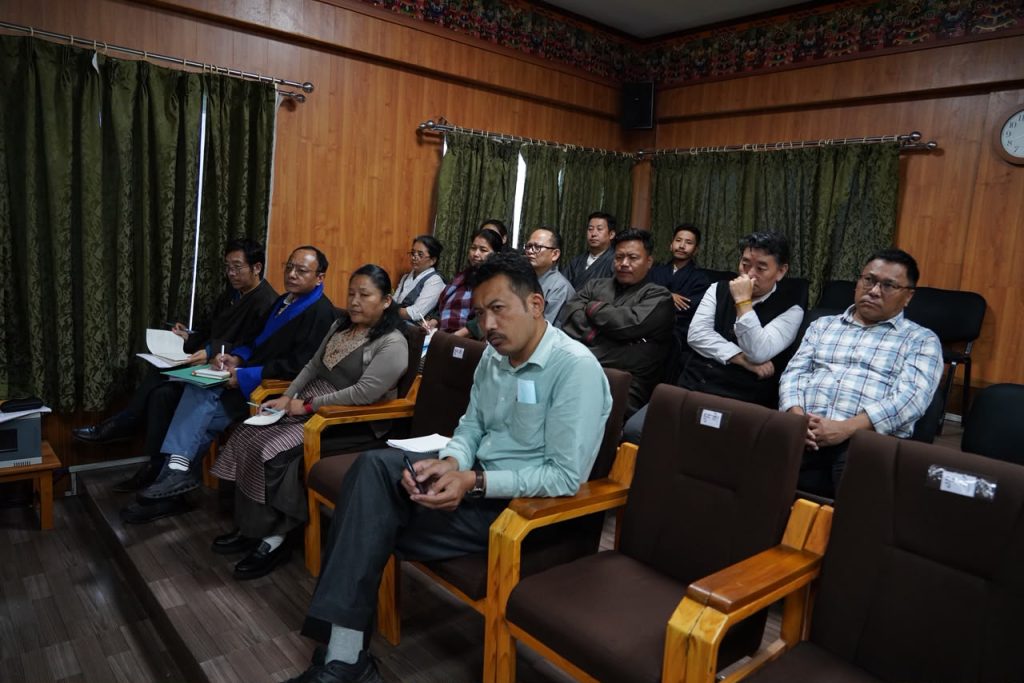
The House discussed the importance of the health and well-being of the Tibetan diaspora in sustaining the just cause of Tibet. The discussion covered improving accessibility and providing necessary support and assistance for differently abled members of the community, concerns regarding the increasing number of autism cases, strengthening healthcare facilities and ensuring regular health check-ups, the need to establish emergency health funds, and initiatives to promote mental health awareness across Tibetan communities. Kalon Pema Tso responded to and addressed the questions and concerns raised by the members of the House.
The session proceeded with the presentation of the Interim Budget of the Department of Home (DoH), comprising Interim Budget Nos. 205, 206, and 207, by DoH Kalon Palden Dhondup. A motion to deliberate on the DoH’s Interim Budget was moved by DoH Kalon Palden Dhondup and seconded by DoF Kalon Tsering Dhondup.
Following discussion, the Interim Budget for the renovation of offices and quarters, as well as the procurement of necessary items for the quarters, was approved with a majority vote.
An official motion to constitute the 13th Public Accounts Committee was moved by parliamentarian Lobsang Thupten Pontsang and supported by parliamentarian Choedak Gyatso. The official motion was passed unanimously.
It continued with legislative procedure’s third reading and adoption of the Rule of Public Service Commission (PSC), followed by reading of leave of absence of the members by Secretary-General Sonam Dorjee.
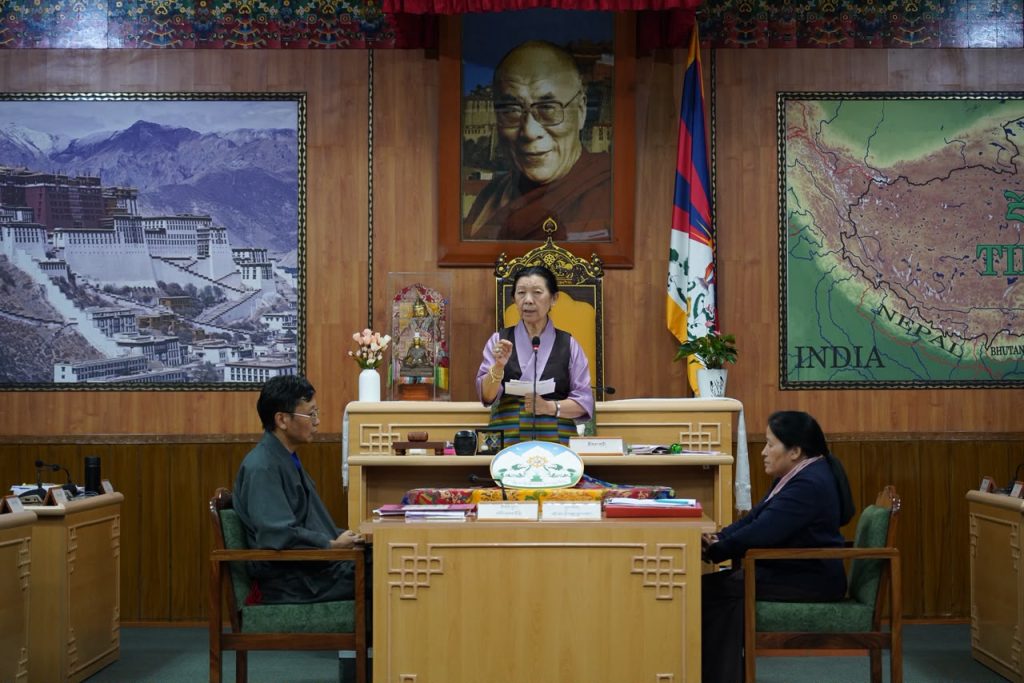
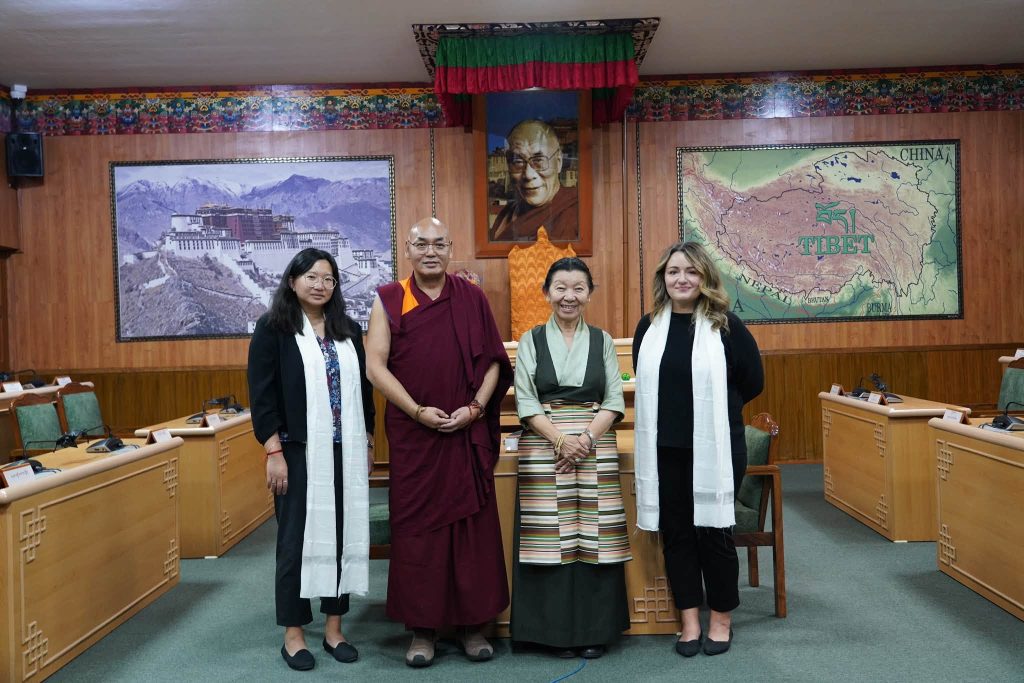
The Speaker then gave her concluding address before announcing the conclusion of the second session of the 18thTibetan Parliament-in-Exile.
In her conclusion address, the Speaker provided an overview of the agenda discussed in this session and noted that the average participation of MPs in the deliberation was 29 parliamentarians per department.
Speaking about the Sinicization policies implemented in Tibet under the rule of the People’s Republic of China (PRC), the Speaker expressed concern over the declining birth rate among Tibetans in the diaspora. She underscored the importance of quality upbringing and called for greater efforts to ensure that younger generations remain deeply connected to and grounded in the rich cultural heritage, traditions, and values of the Tibetan people.
Calling for the collective efforts of Tibetans across the world, the Speaker appealed to Tibetans from all walks of life to contribute meaningfully to the Tibetan cause and to the preservation and promotion of Tibet’s rich cultural and traditional heritage.
In conclusion, the Speaker expressed her sincere gratitude to the staff of the Parliamentary Secretariat, the Department of Information and International Relations, the Department of Security, and the electrician from the Department of Home for their dedicated service and assistance throughout the session.
She concluded by offering prayers for the long life and continued well-being of His Holiness the Dalai Lama and for the swift and peaceful resolution of the Sino-Tibetan conflict.
The session adjourned sine die at 7:40 pm.