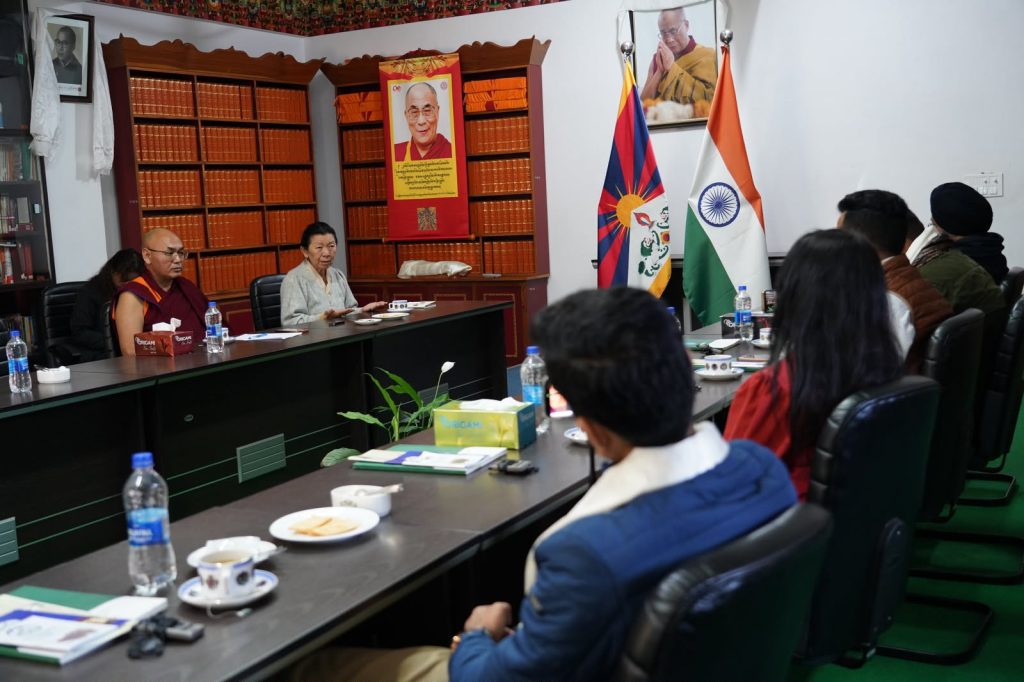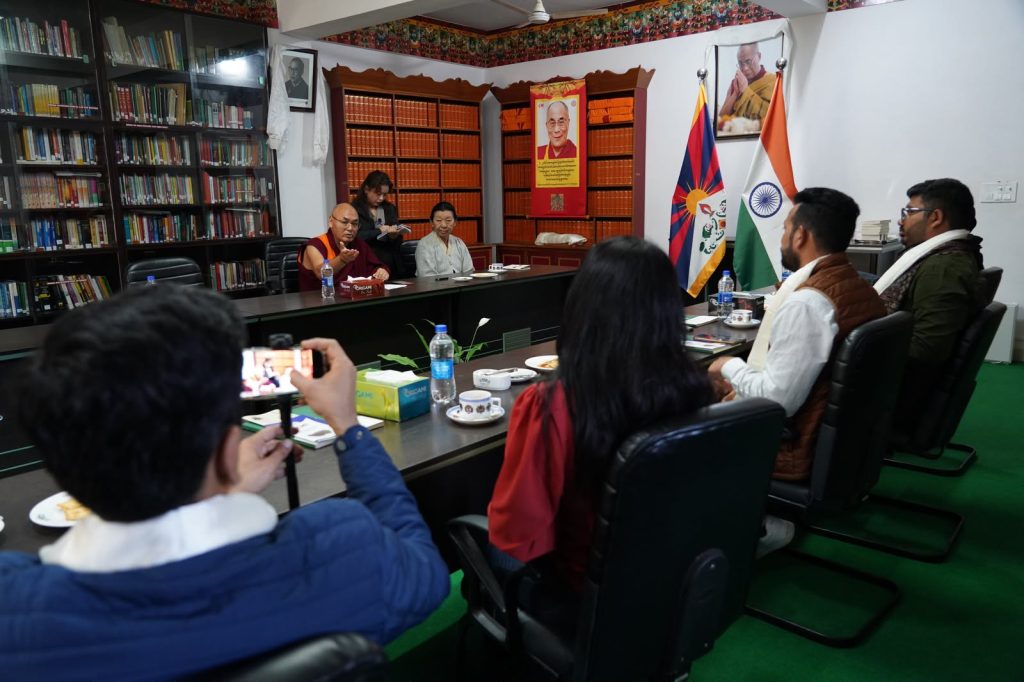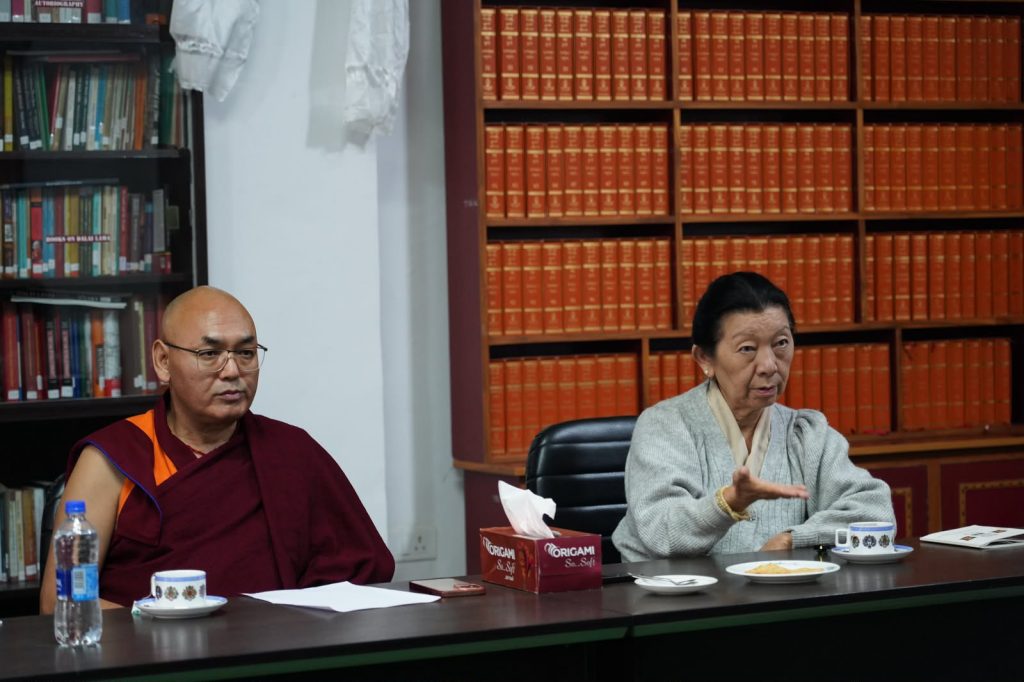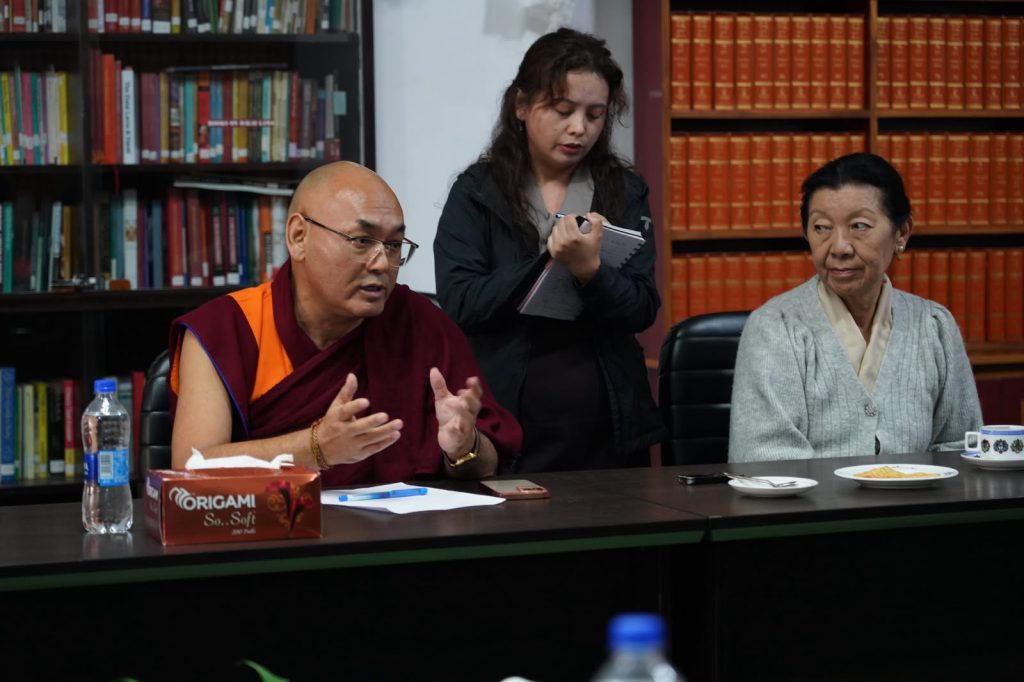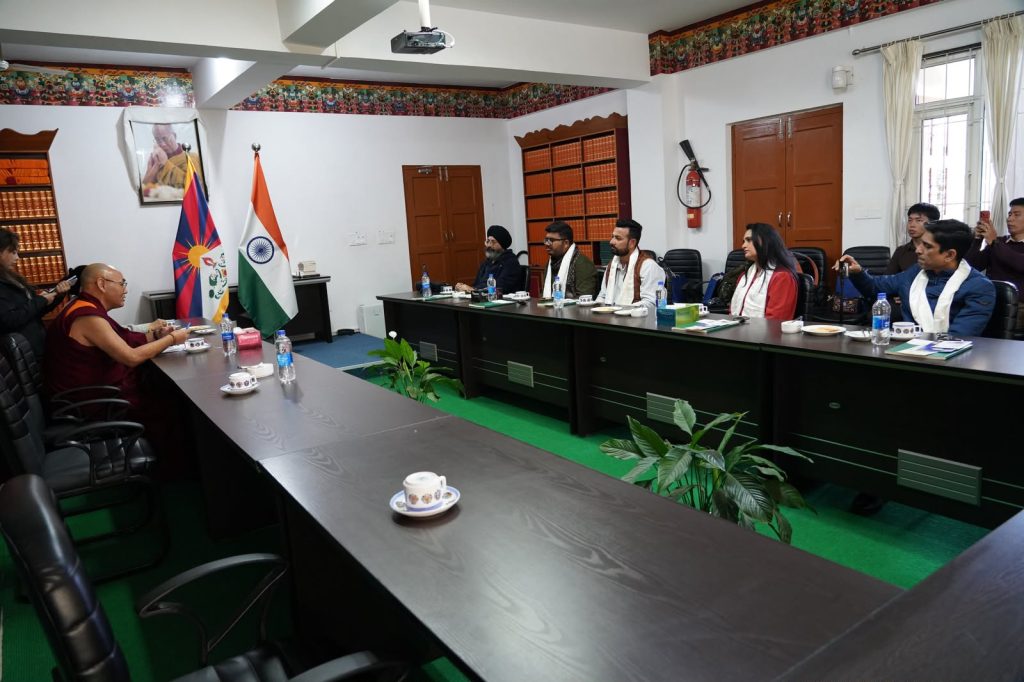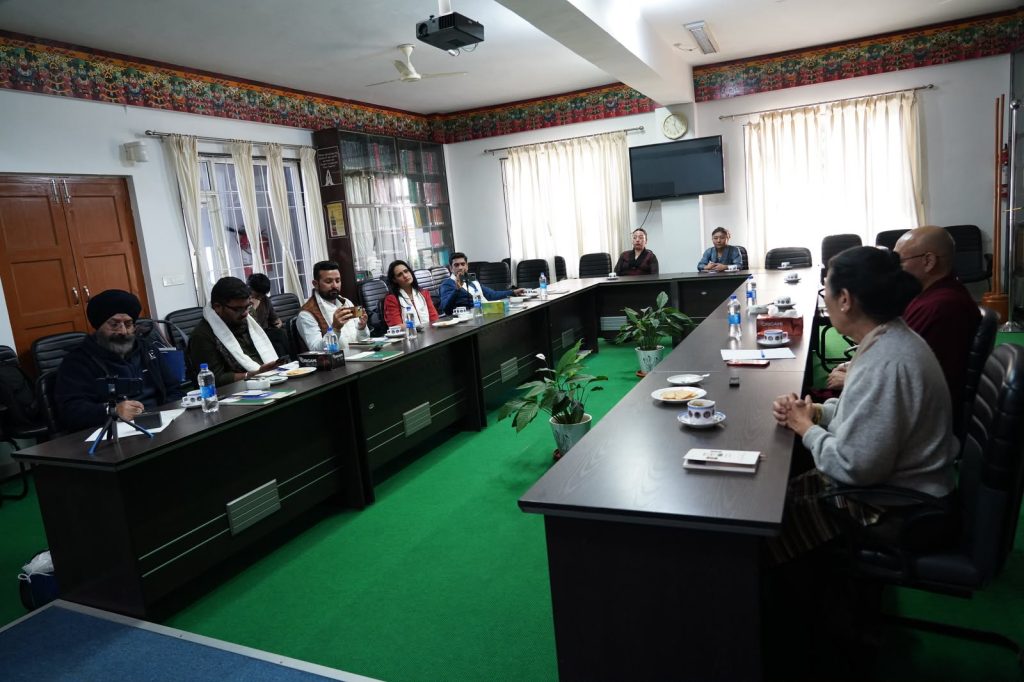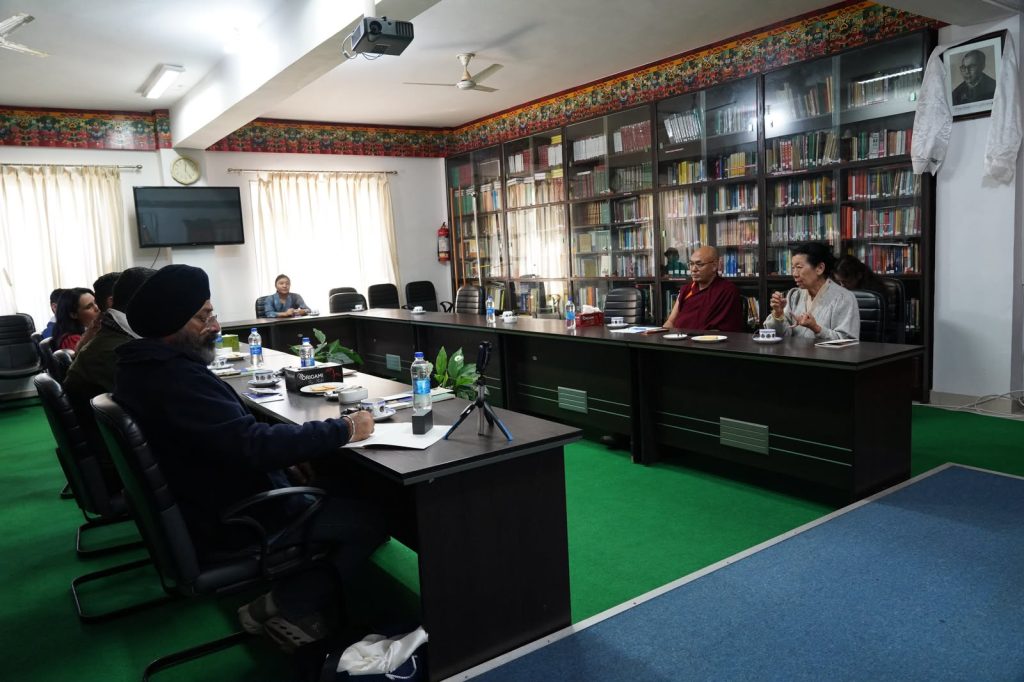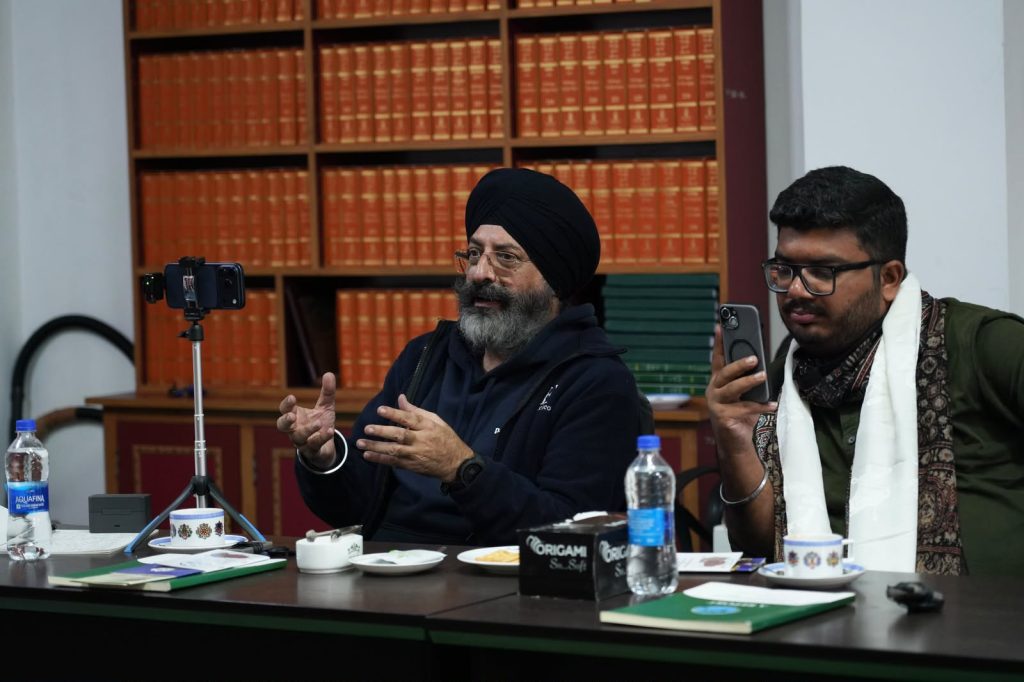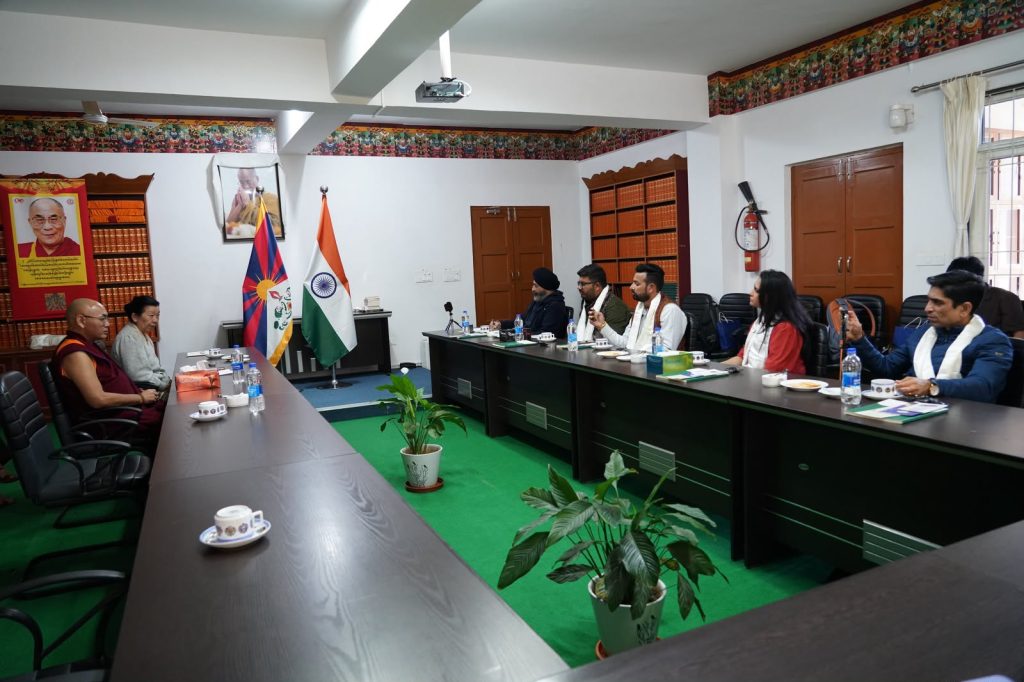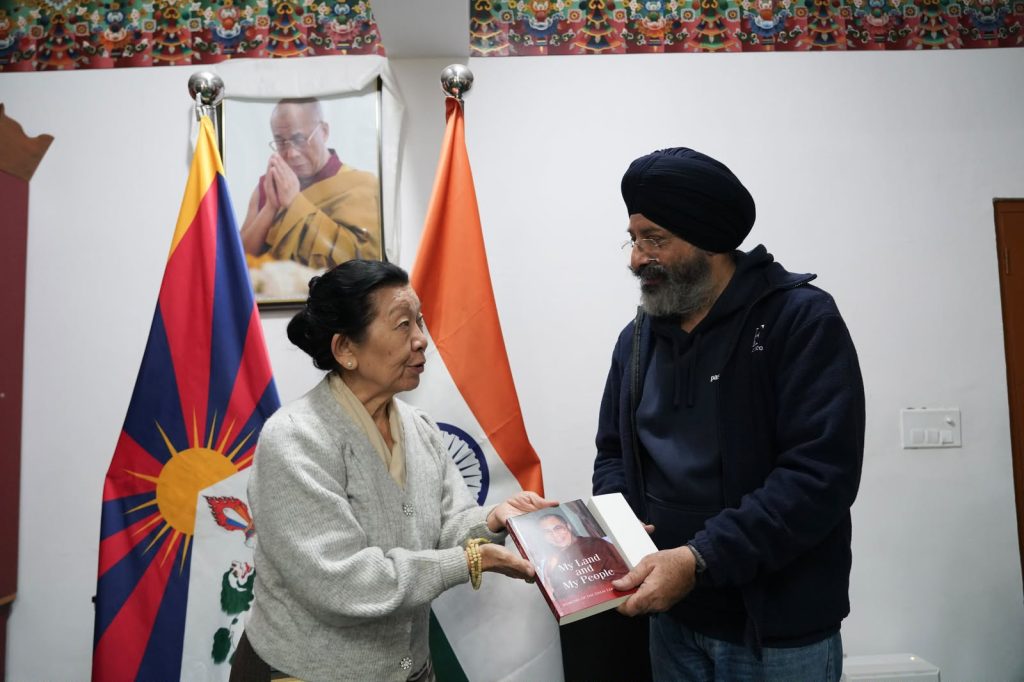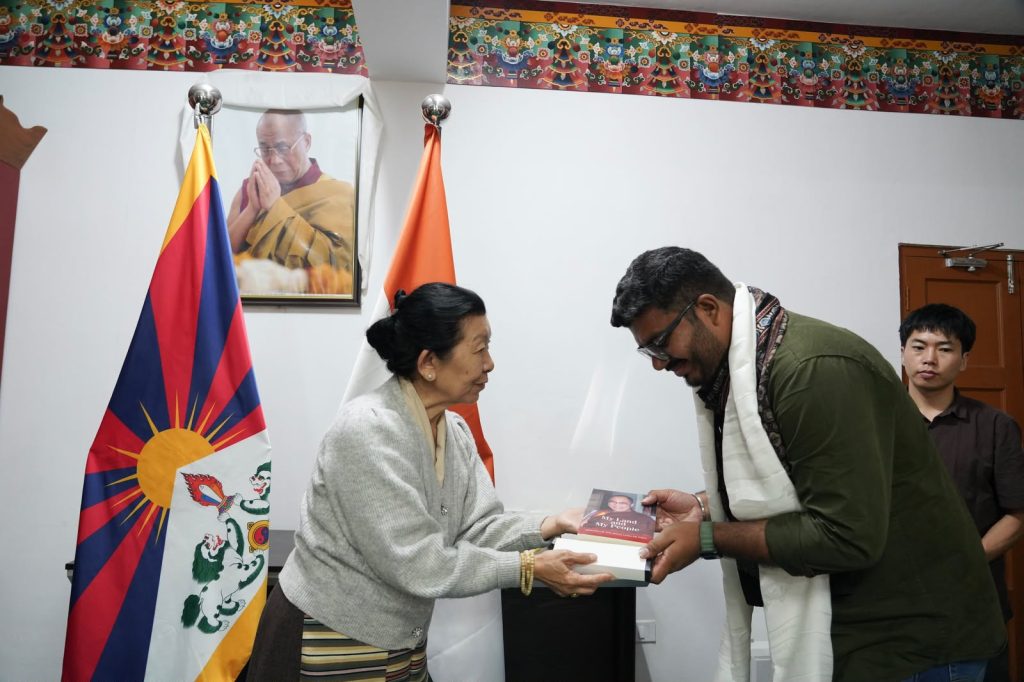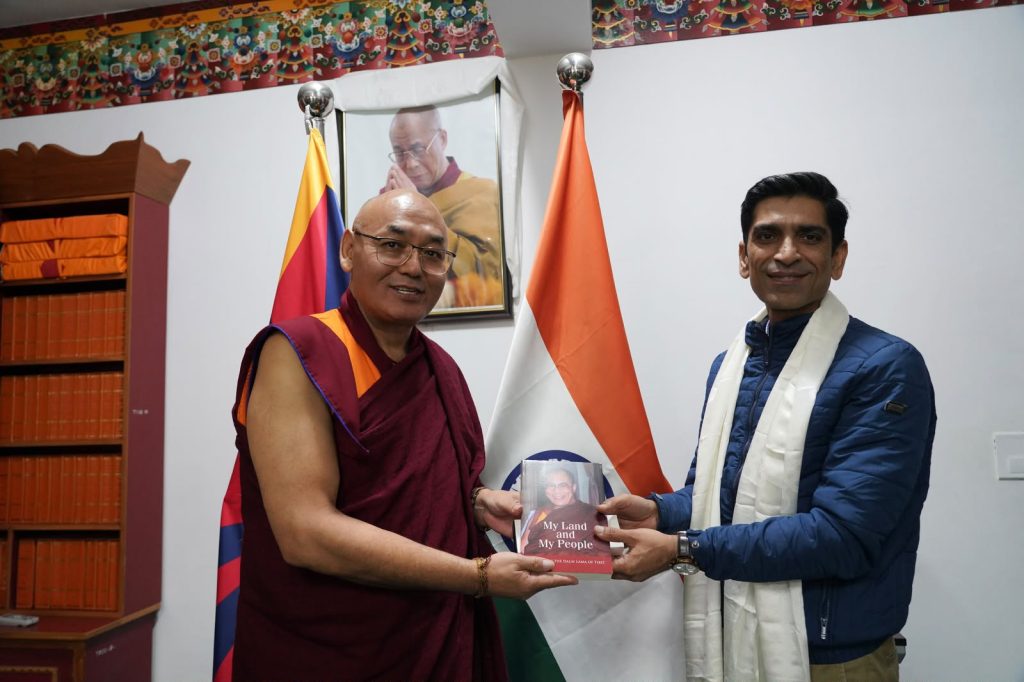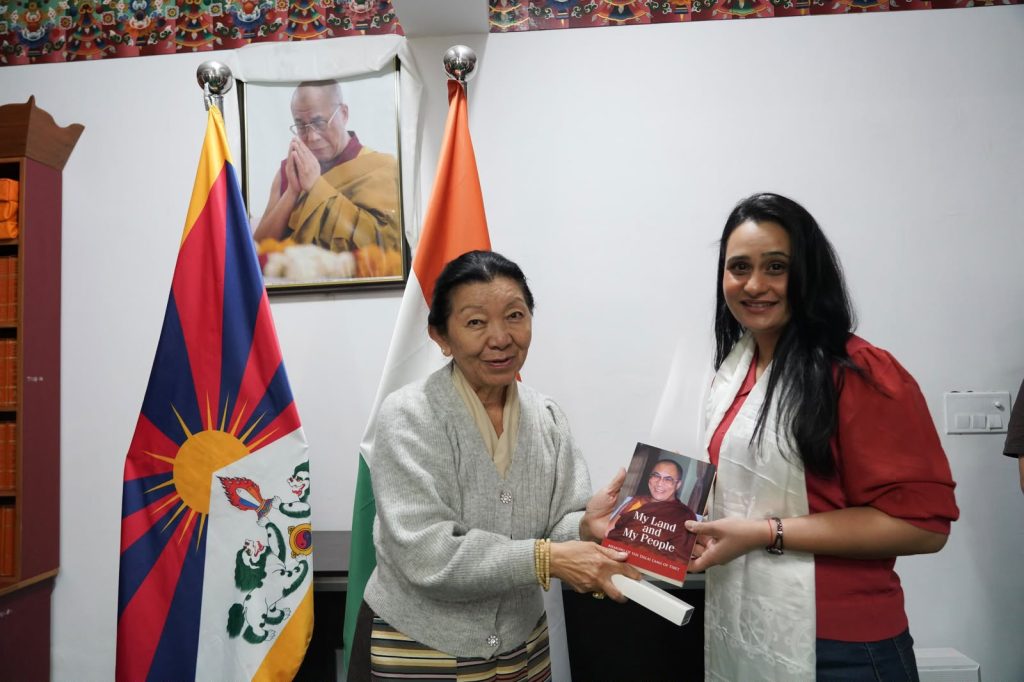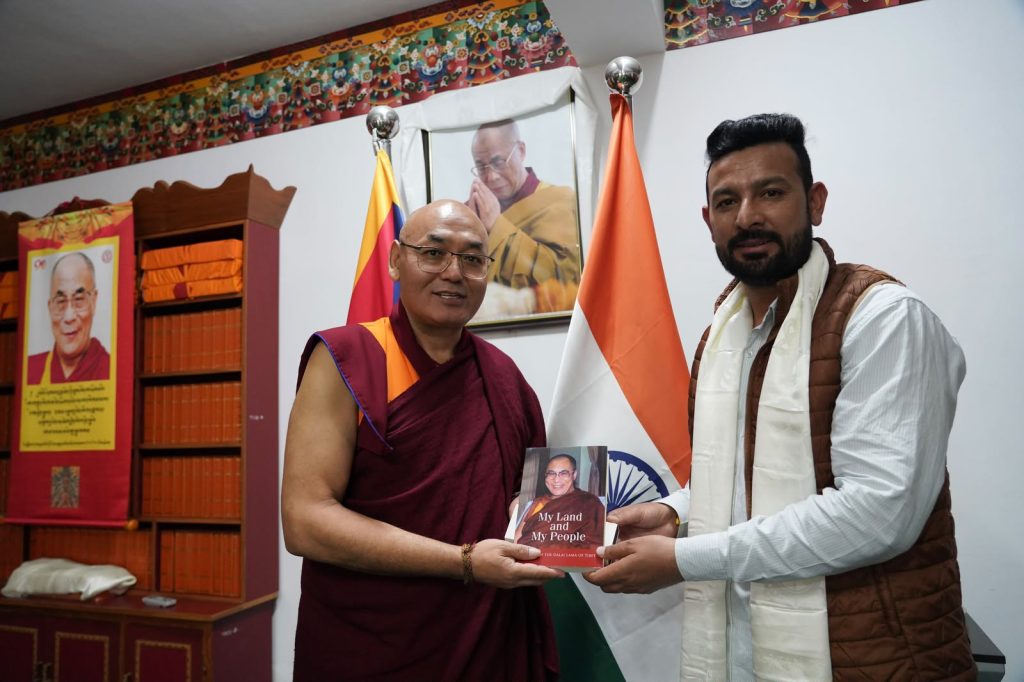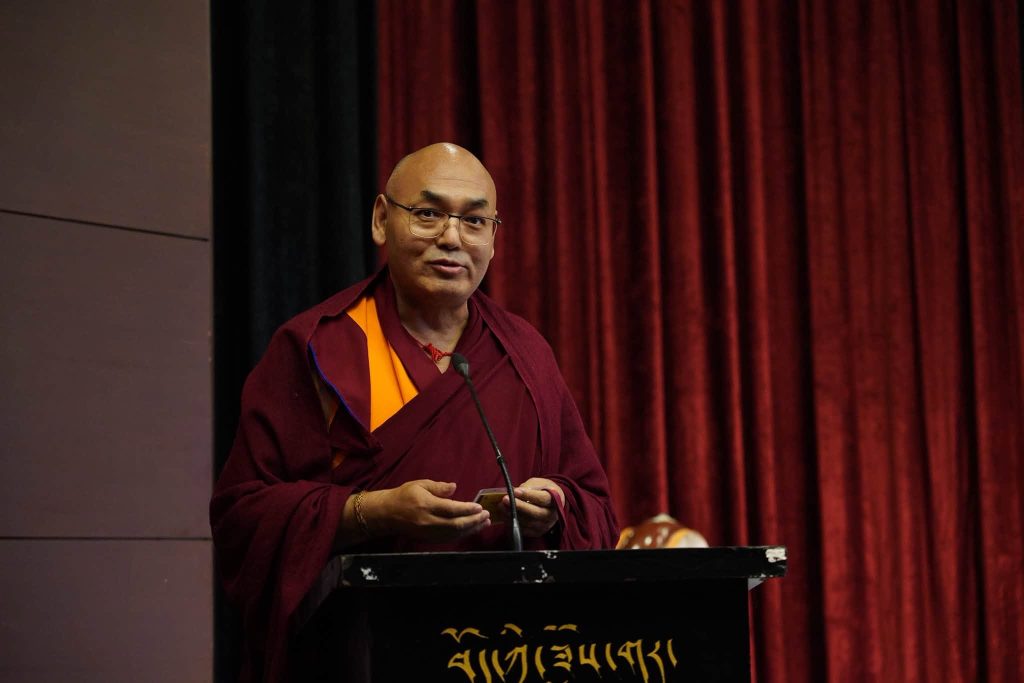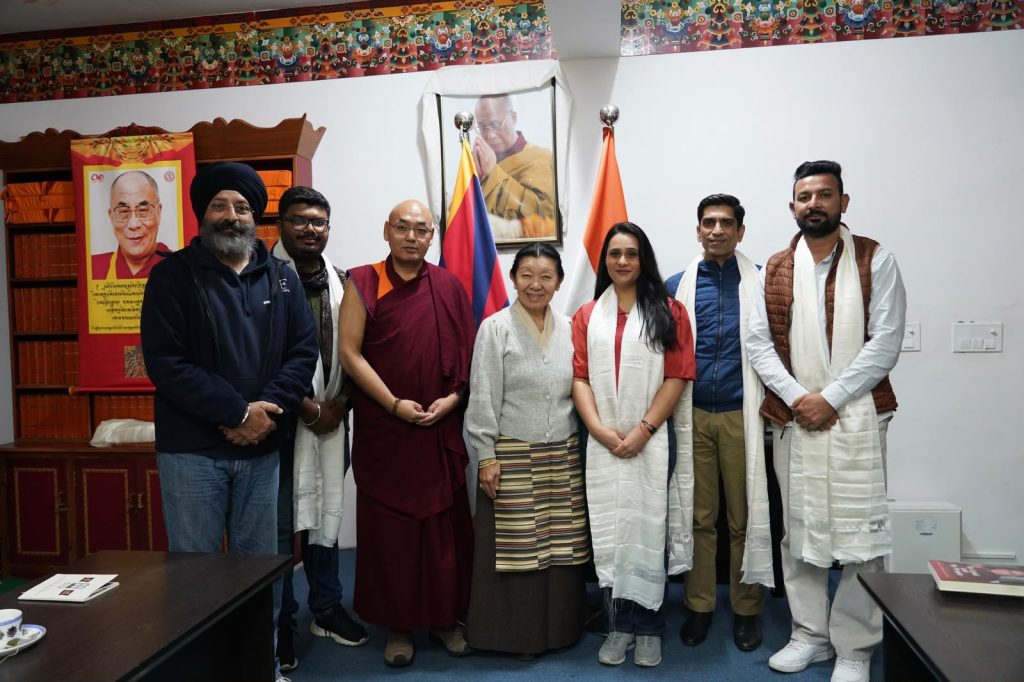
Dharamshala, 12 October 2026: A delegation of senior Indian journalists met with Speaker Dolma Tsering Teykhang and Deputy Speaker Khenpo Sonam Tenphel on 12 October 2026 to discuss the Tibet issue, the historical and cultural ties between India and Tibet, and the role of the media in highlighting the challenges facing Tibetans.
The delegation comprised Jasmine Sharma, Senior Anchor and Deputy Producer, News18 Network; Rishabh, Associate Editor, NDTV; Ravinder Singh Robin, Independent Journalist, BBC Punjab; Pranay Upadhyaya, Editor, India Today Global and Lead Foreign Policy Correspondent, Aaj Tak; and Sandeep Kumar, State Bureau Chief, Zee News.
The delegation was accompanied by Tashi Dekyi, Coordinator, and Migmar Tsamchoe, staff member of the India Tibet Coordination Office (ITCO), New Delhi.
During the interaction, the Speakers highlighted the longstanding spiritual, cultural, and intellectual bonds between India and Tibet. They particularly underscored the Indian origins of Buddhism and its profound influence on Tibetan society, as well as the democratic system practiced by the Tibetan community in exile, which draws inspiration from India’s democratic traditions. The Speakers also explained the functioning and institutional framework of the Tibetan Parliament-in-Exile.
The Speakers expressed their deep gratitude to successive Indian governments and the people of India for their unwavering support for Tibet and the Tibetan people. They outlined the Central Tibetan Administration’s commitment to resolving the Sino-Tibetan conflict through a peaceful approach and emphasized the important role the media can play in amplifying the voices and aspirations of Tibetans and bringing their concerns to a wider audience.
The discussion also covered several significant issues concerning Tibet, including the geopolitical importance of the Tibetan Plateau and the major rivers originating there; the Chinese government’s attempts to interfere in the reincarnation process of His Holiness the 14th Dalai Lama; ongoing human rights violations in Tibet under the rule of the People’s Republic of China (PRC); and the broader campaign of Sinicization through policies and regulations aimed at assimilating Tibetans and undermining their distinct cultural, linguistic, and religious identity.
The interaction concluded with a question-and-answer session, during which the delegation discussed the electoral process among Tibetans in exile, the prospects for Sino-Tibetan dialogue, and other issues concerning Tibet’s political future and the Tibetan people’s aspirations.