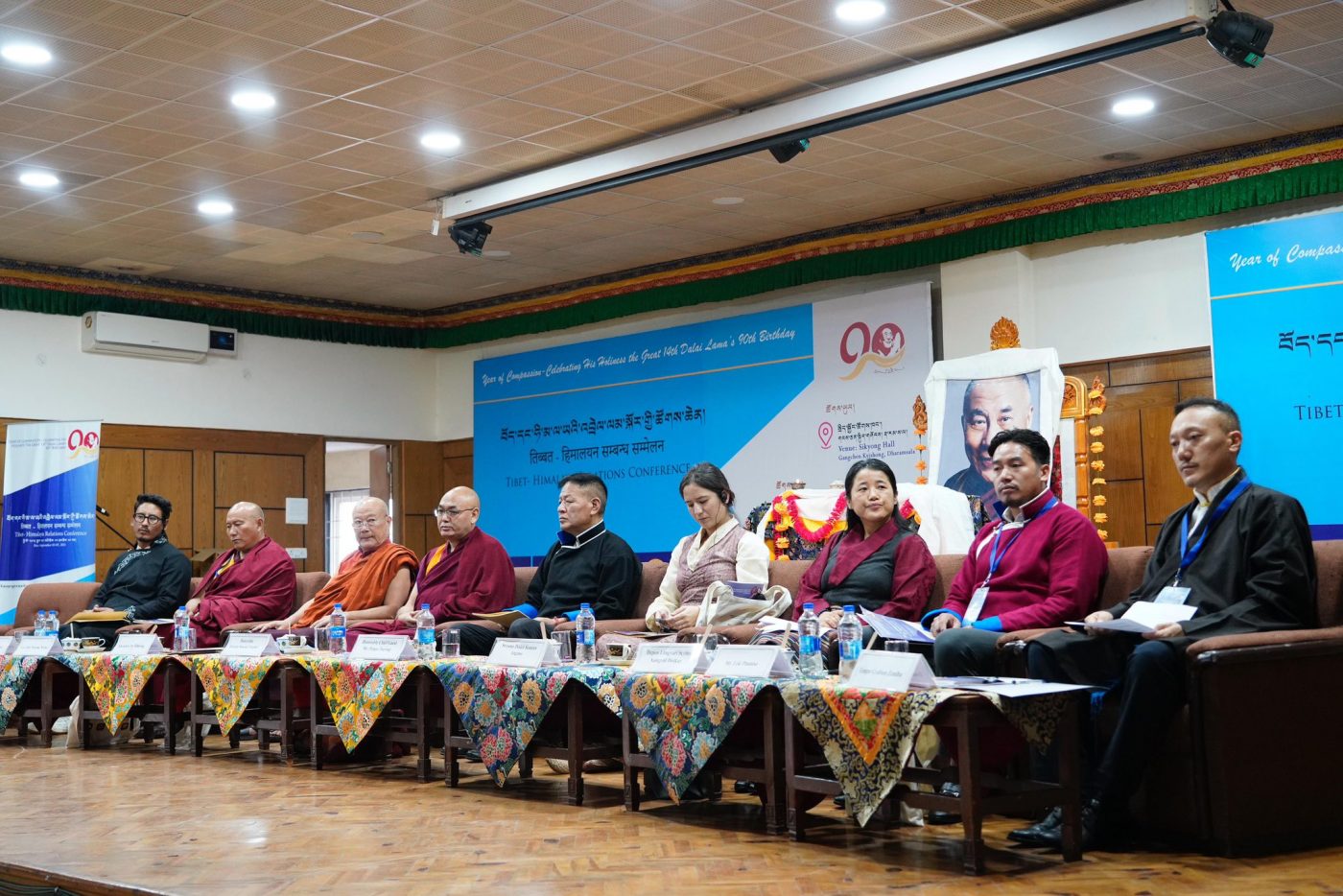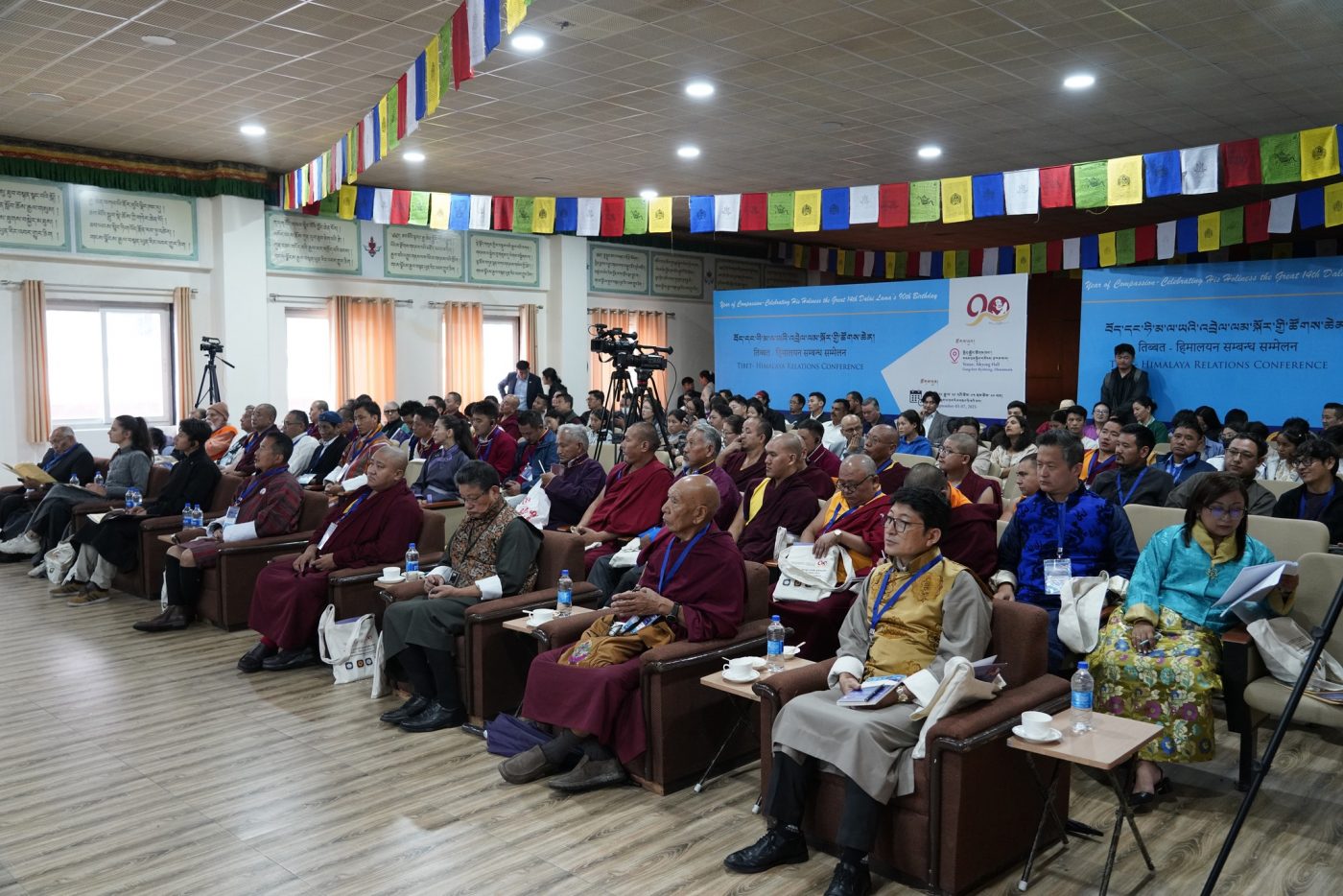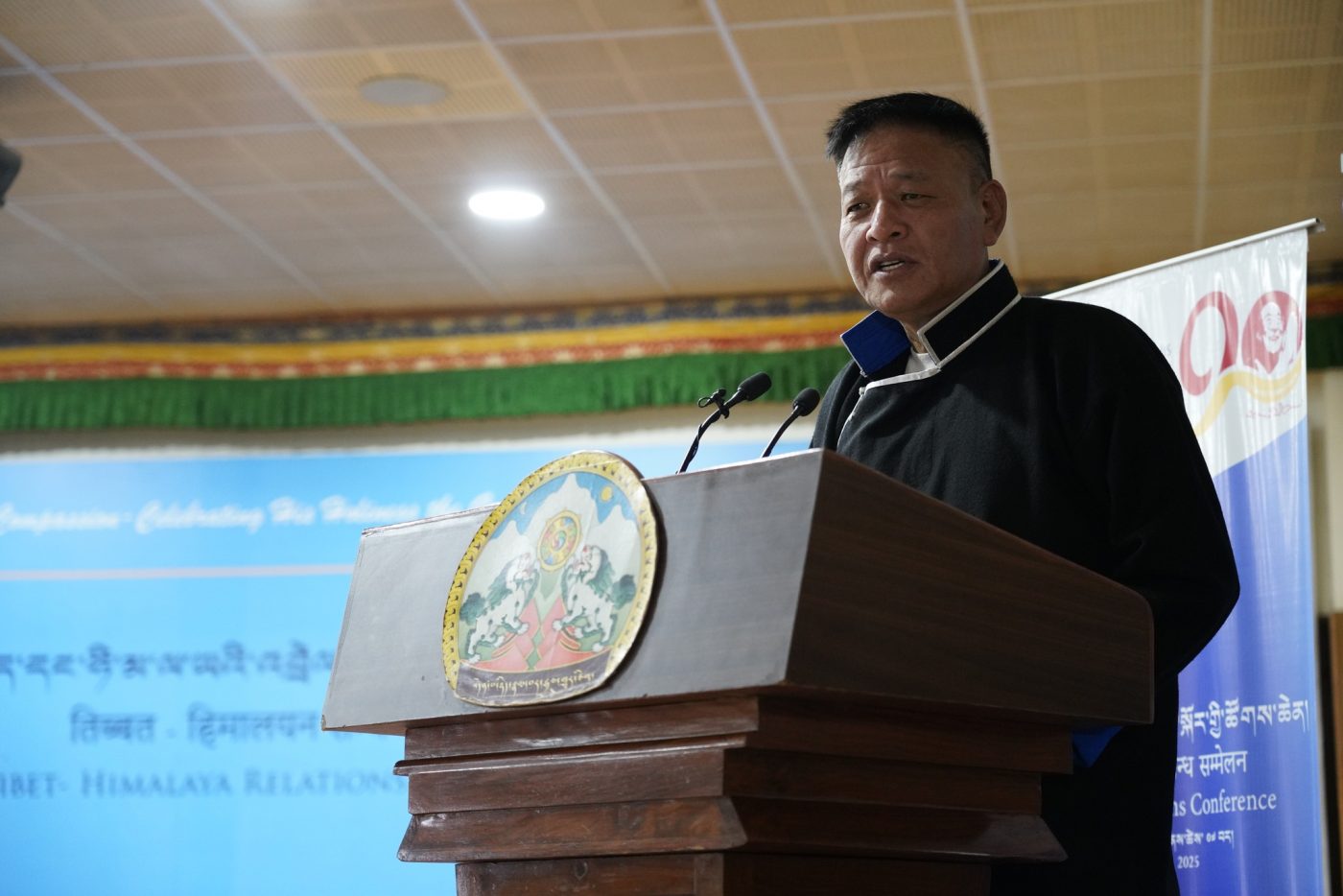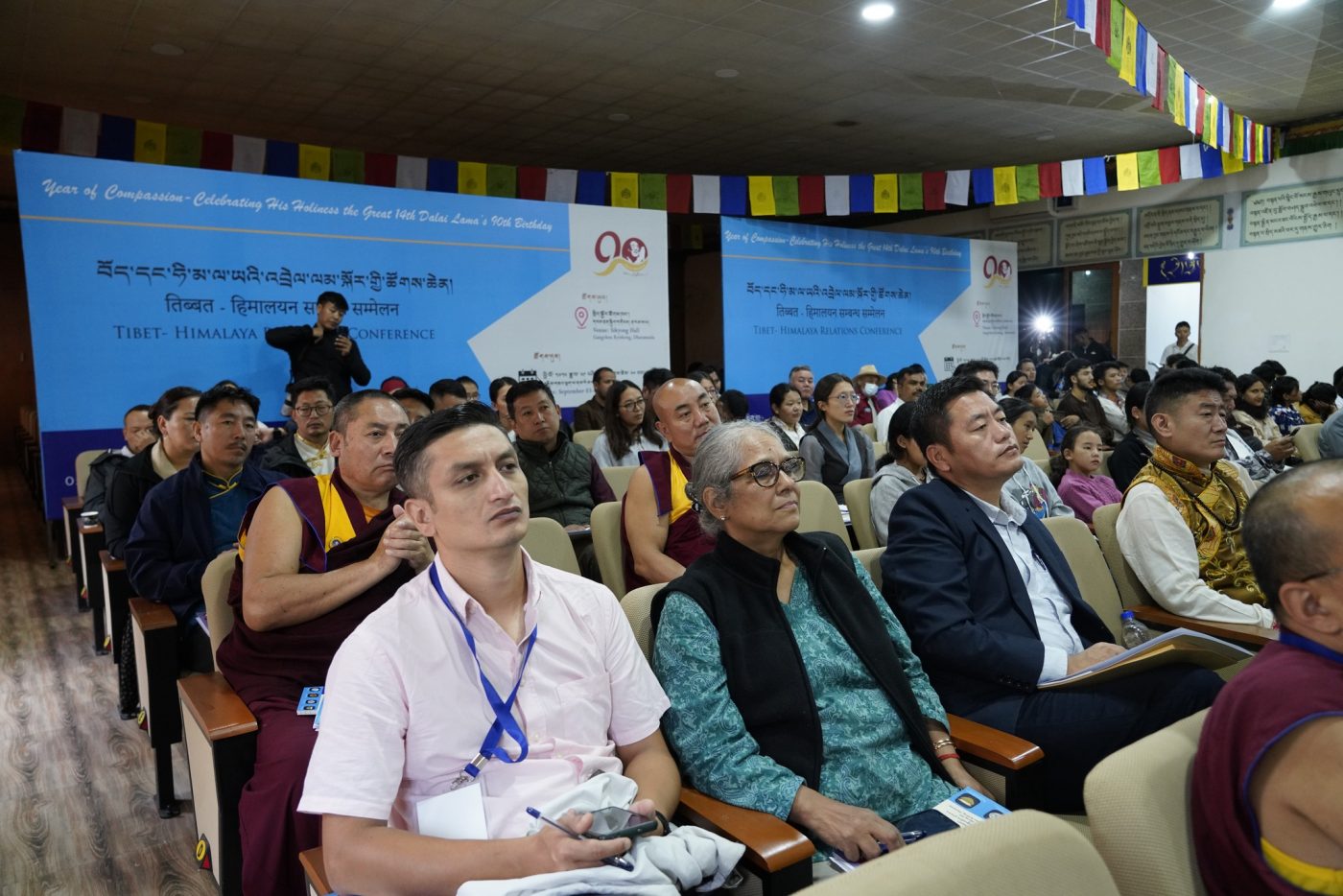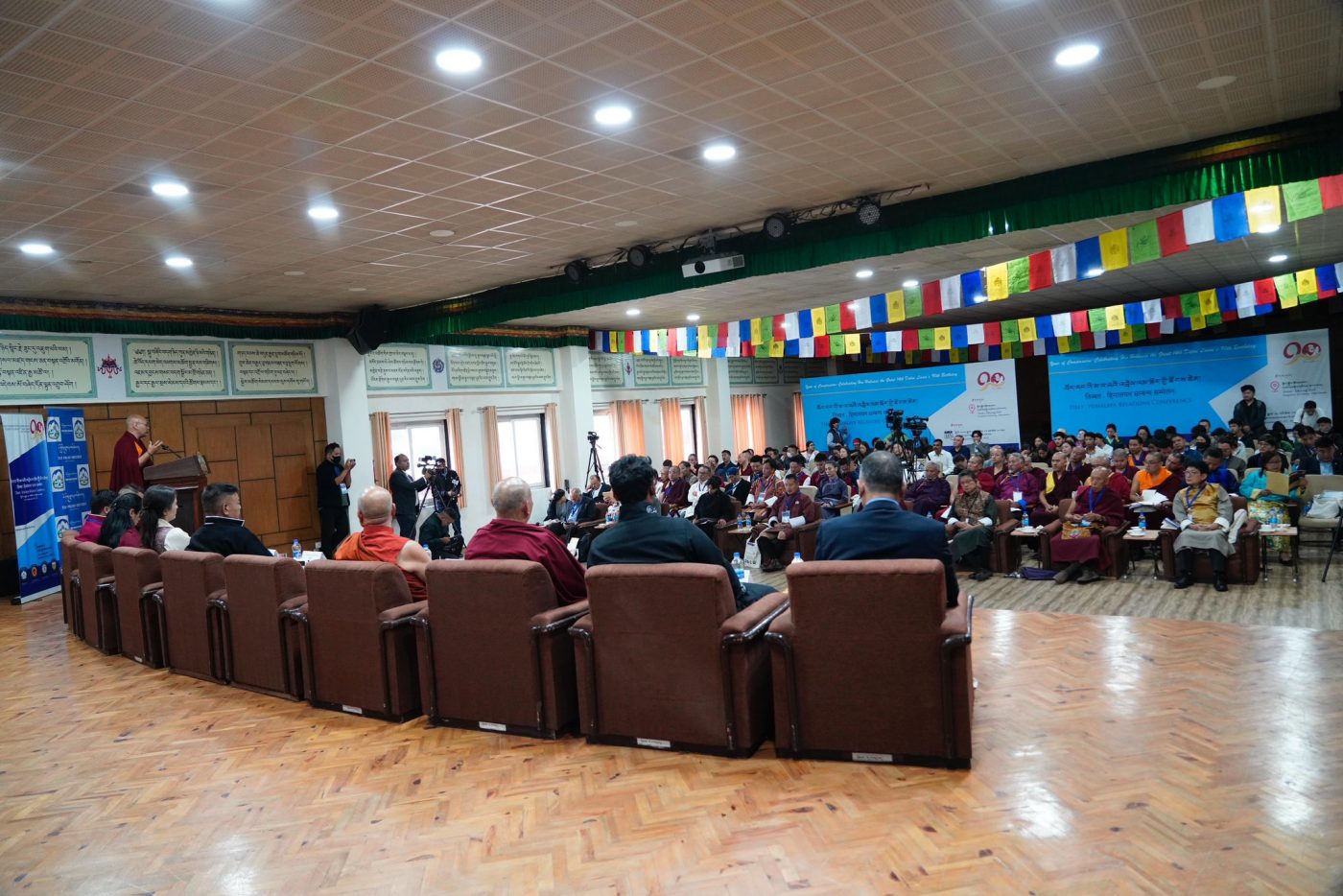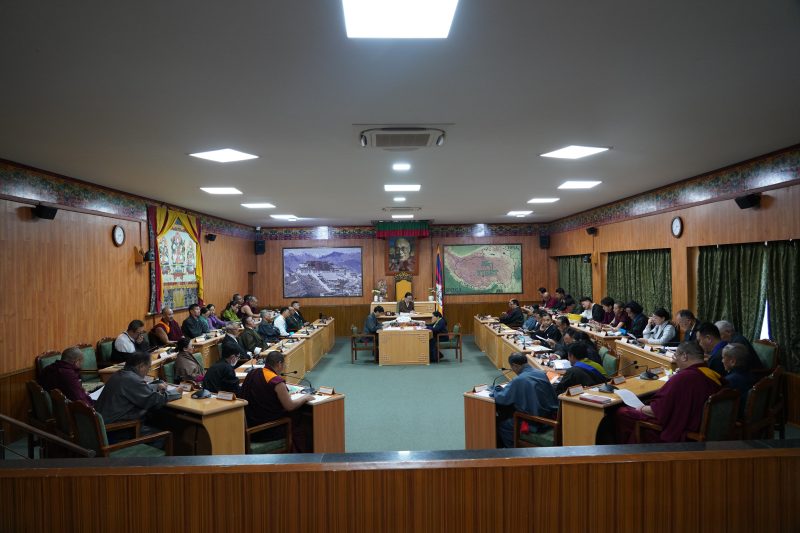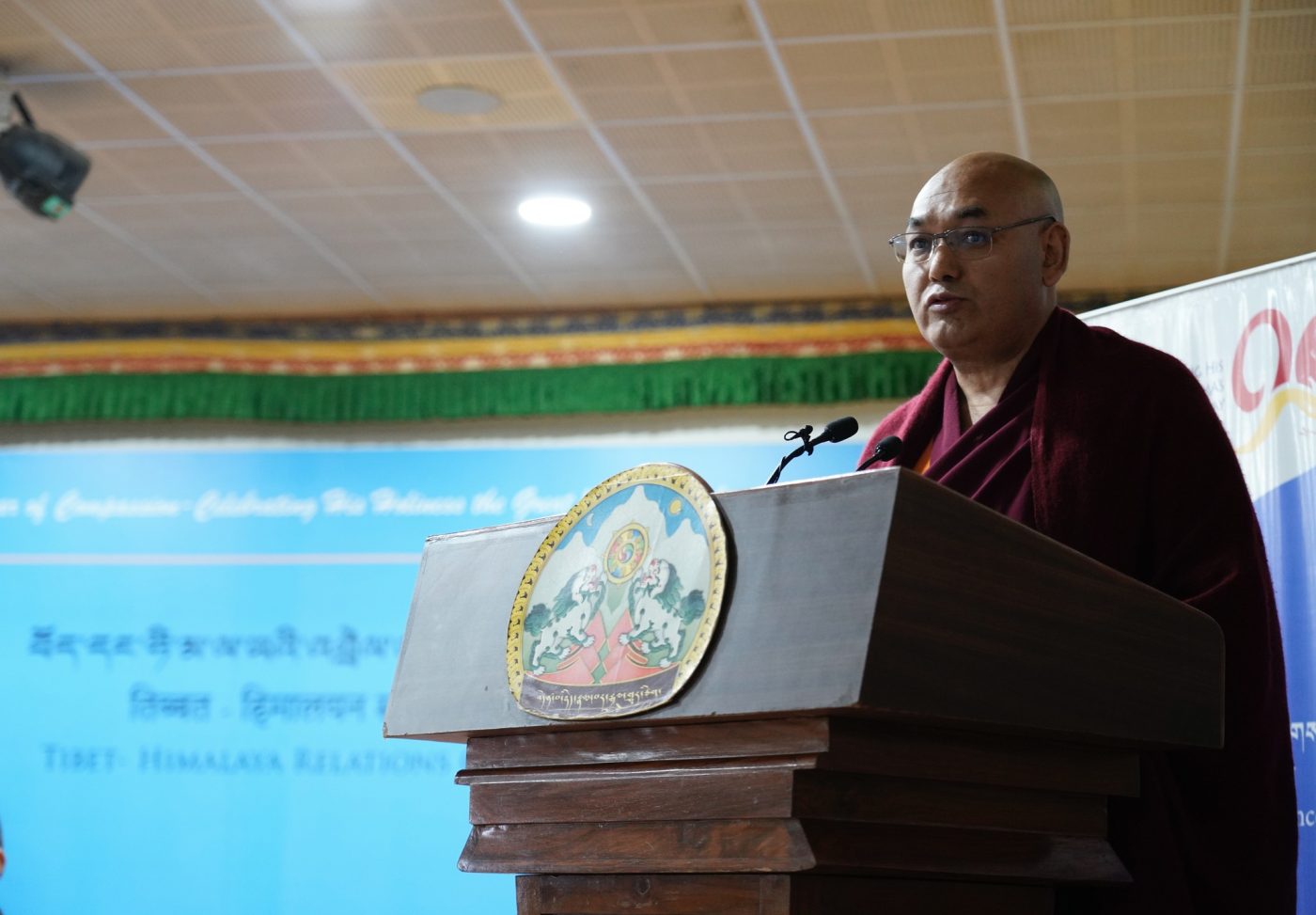
Dharamshala: Speaker Khenpo Sonam Tenphel as Special Guest addressed the inaugural of the Tibet-Himalaya Relations Conference held on 3rd September 2025. The conference has brought together around 100 scholars and distinguished personalities from across the Himalayan region.
Jointly organized by the Tibet Policy Institute, the Dalai Lama Institute of Higher Education, the College for Higher Tibetan Studies, and Monlam IT, the conference is taking place at the Sikyong Hall of the Central Tibetan Administration in Dharamshala and will run from 3rd to 7th September 2025.
Addressing the inaugural session, Speaker Khenpo Sonam Tenphel applauded the organizers of the conference for bringing together scholars and experts from across the Himalayan region, describing the gathering of such distinguished individuals as both remarkable and inspirational.
The Speaker noted that Tibet has a history spanning over 2,000 years since the rise of the Tibetan Empire, with remarkable developments in politics, culture, and religion during the 7th century under the reigns of King Songtsen Gampo and King Trisong Detsen. He highlighted the significant expansion of Tibet’s territory beyond its three traditional provinces, as documented in historical sources.
Today, however, Tibet remains under Chinese occupation. His Holiness the Dalai Lama, along with thousands of Tibetans, lives in exile, and the Central Tibetan Administration has been established in India with the support of the Indian government and people. Despite lacking physical authority, Tibetans from all three provinces, with the blessing of His Holiness the Dalai Lama, continue to share a strong emotional sense of belonging and unity, which he emphasized as paramount.
Speaking on the historical, cultural, religious, and border ties between Tibet and the Himalayan region, the Speaker emphasized that conferences like this strengthen their deep connection, trust, and alliance in a profound way. He further highlighted the importance of presenting history in its truest form, free from any influence or distortion.
Referring to the fossils found in the Ngari and Toelung regions of Tibet, along with archaeologists’ claims that humans existed in Tibet for many thousands of years, the Speaker noted that where human existence is evident, culture, being an inseparable part of humanity, must also have flourished. He stressed the need for proper research in this regard.
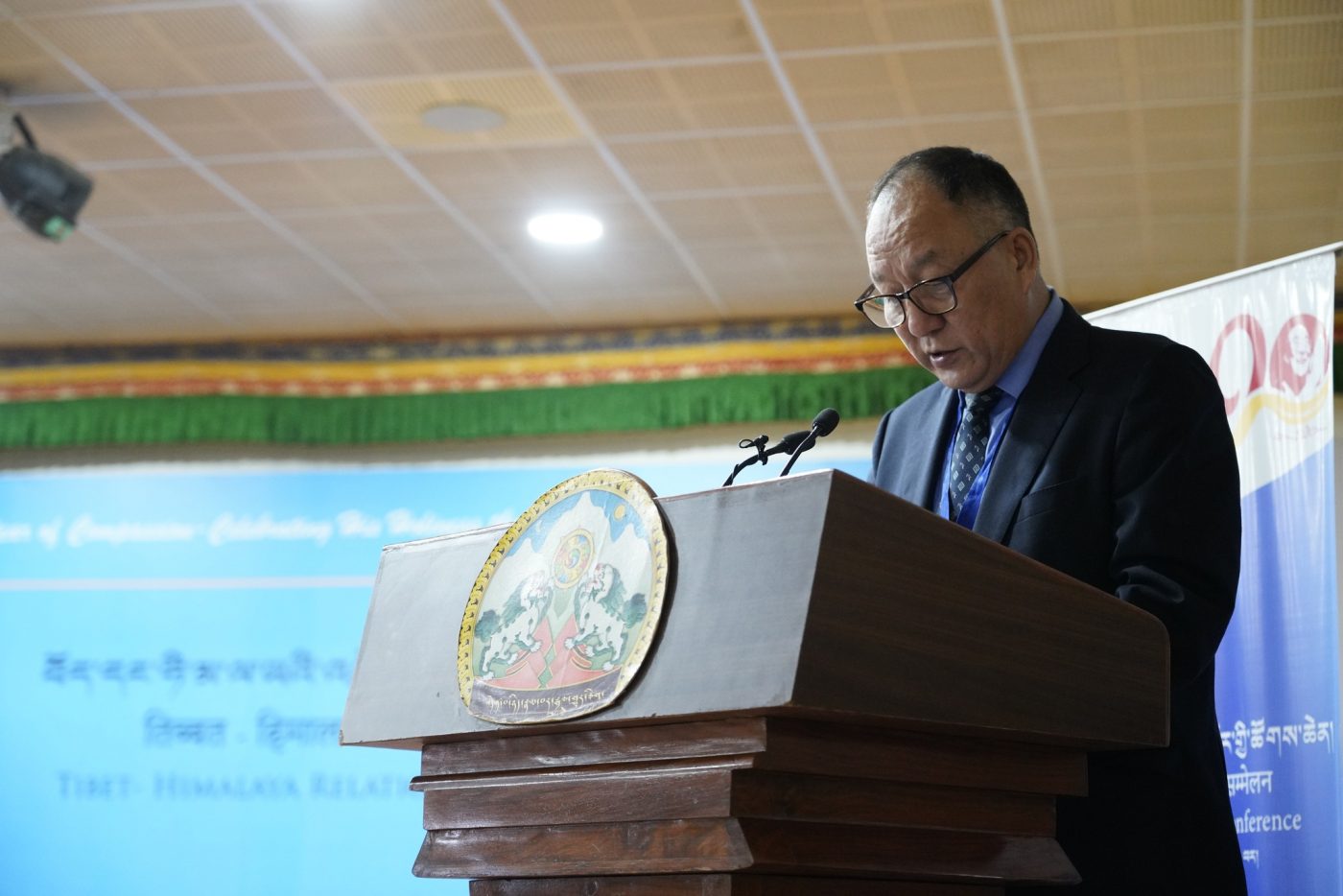
The inaugural session also featured a special message from His Holiness the Dalai Lama, along with address by Chief Guest Sikyong Penpa Tsering. The event began with a welcome address by TPI Director Dawa Tsering. Parliamentarians Lhagyari Namgyal’s Dolkar and Dorjee Tseten were also present at the conference as guests.