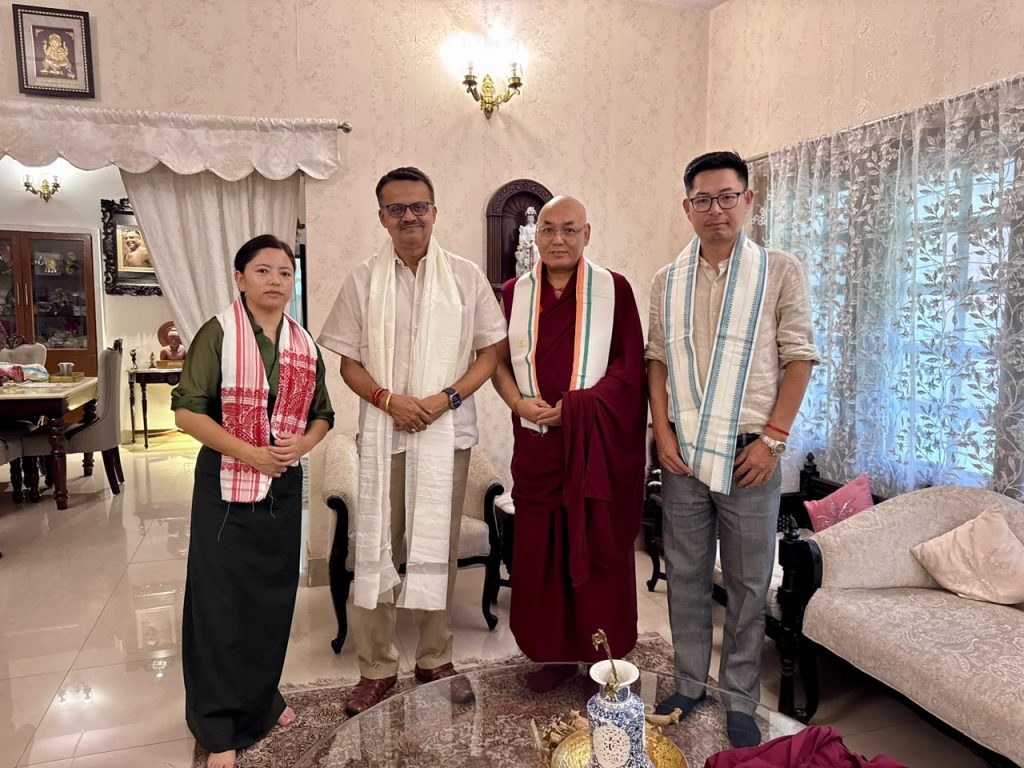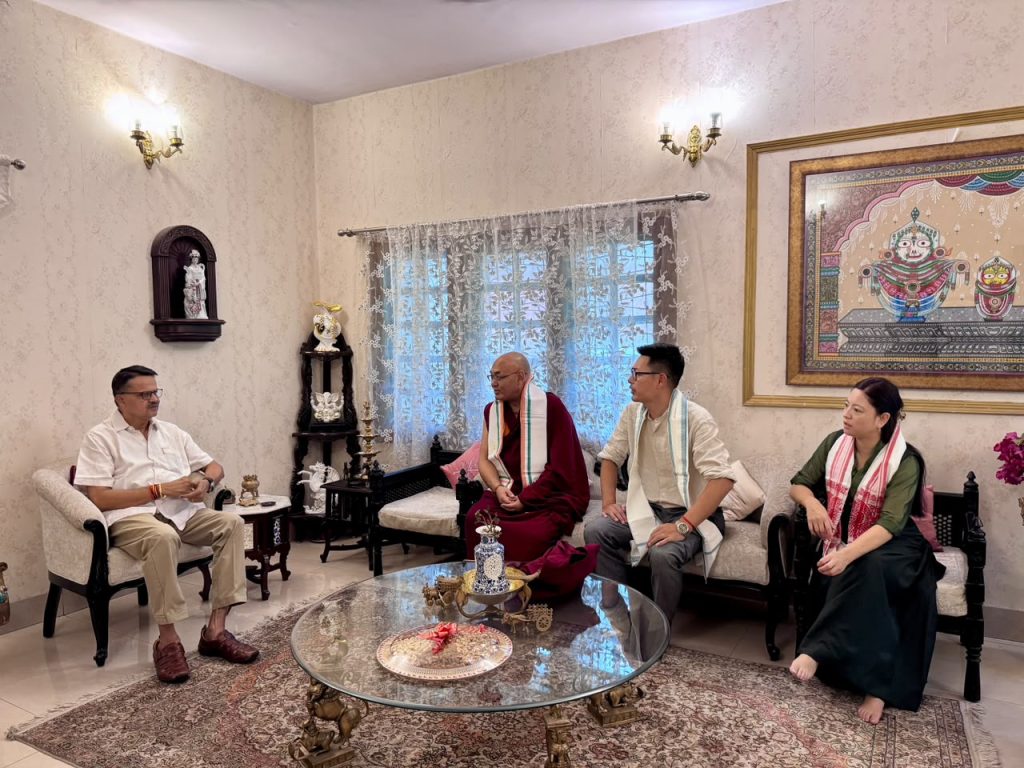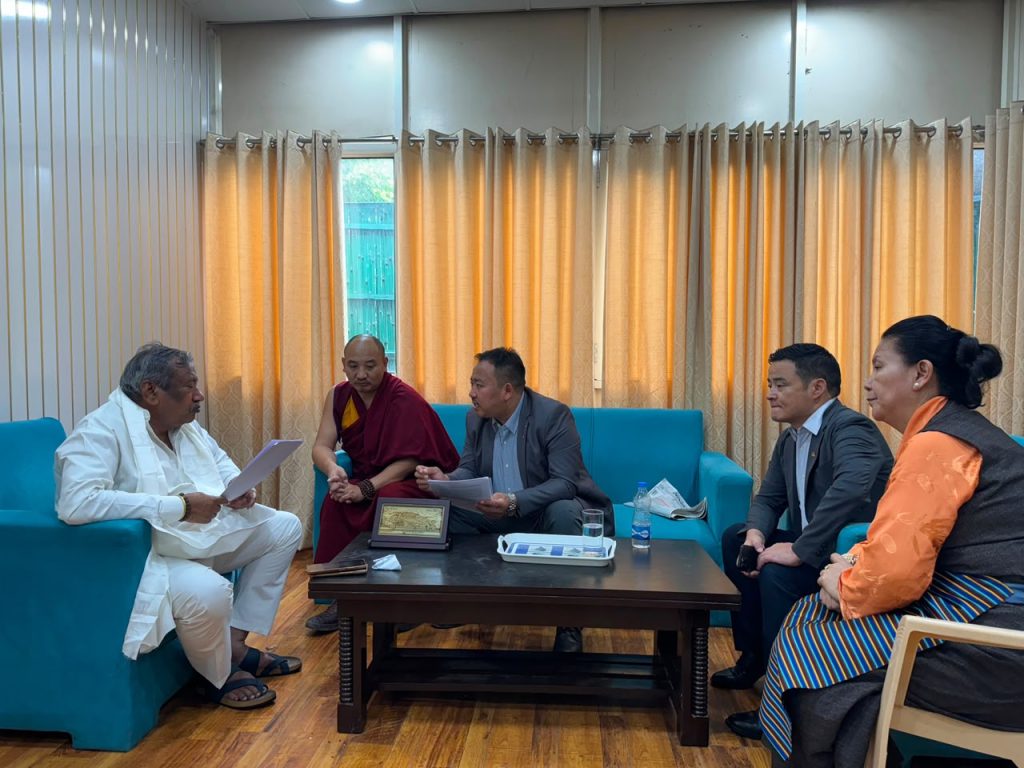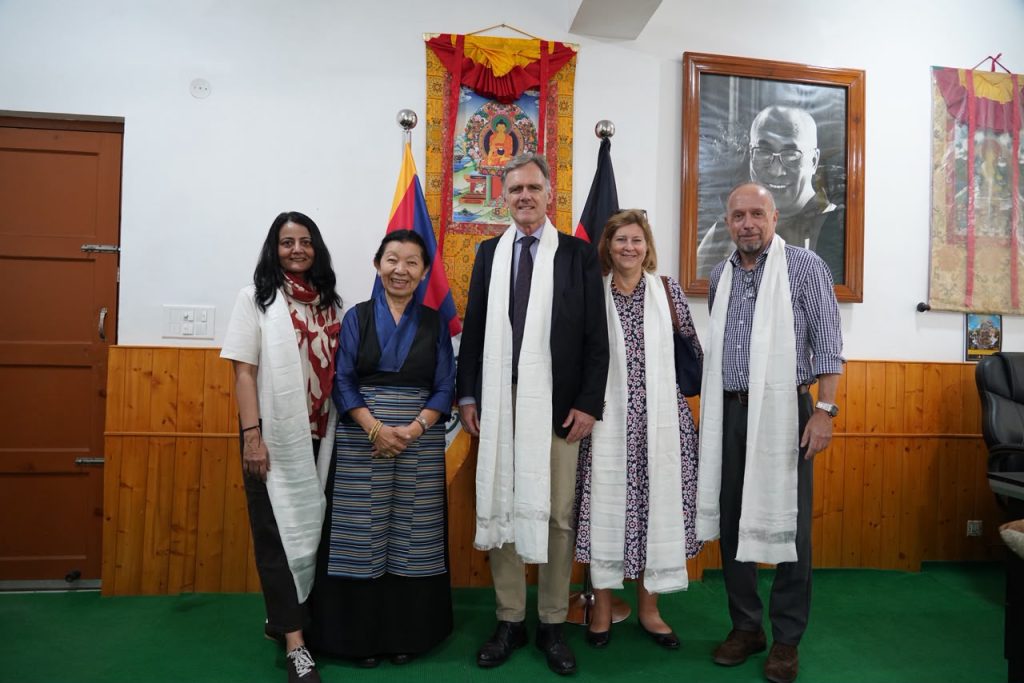
New Delhi, 31 July 2026: Tibetan Parliament-in-Exile’s delegation led by Deputy Speaker Khenpo Sonam Tenphel successfully concluded its Tibet advocacy campaign in New Delhi, during which it met with 43 Indian lawmakers representing a wide range of political parties. These included the Bharatiya Janata Party (BJP), Indian National Congress, Republican Party of India, Trinamool Congress (TMC), Samajwadi Party, Rashtriya Lok Dal, Communist Party of India (CPI), Janata Dal (United), Telugu Desam Party (TDP), Revolutionary Socialist Party (RSP), as well as Independent Members of Parliament.
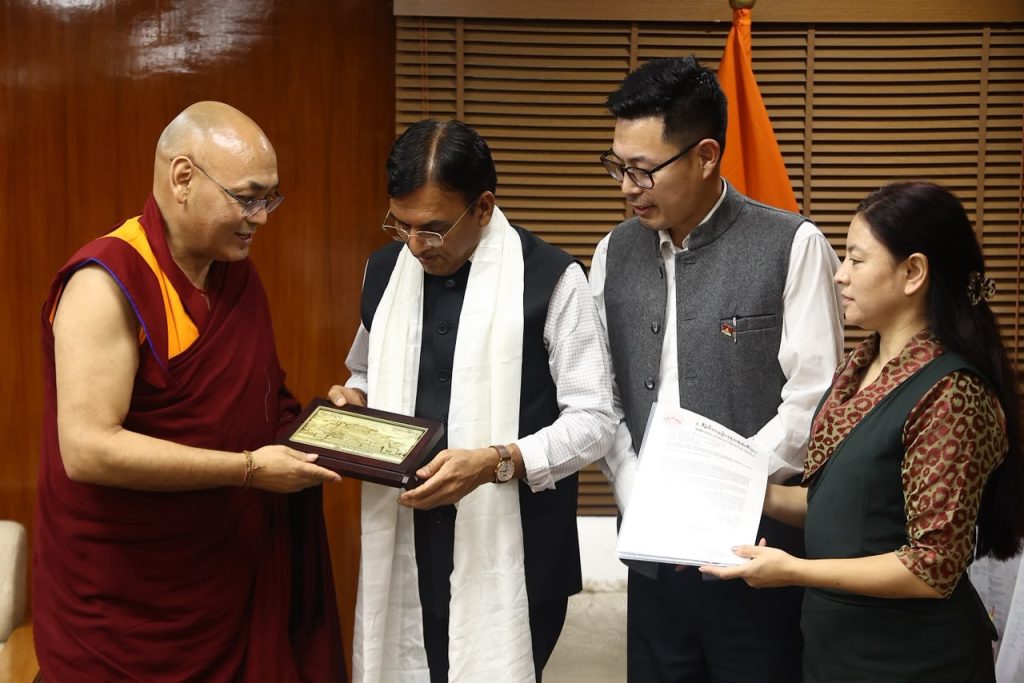
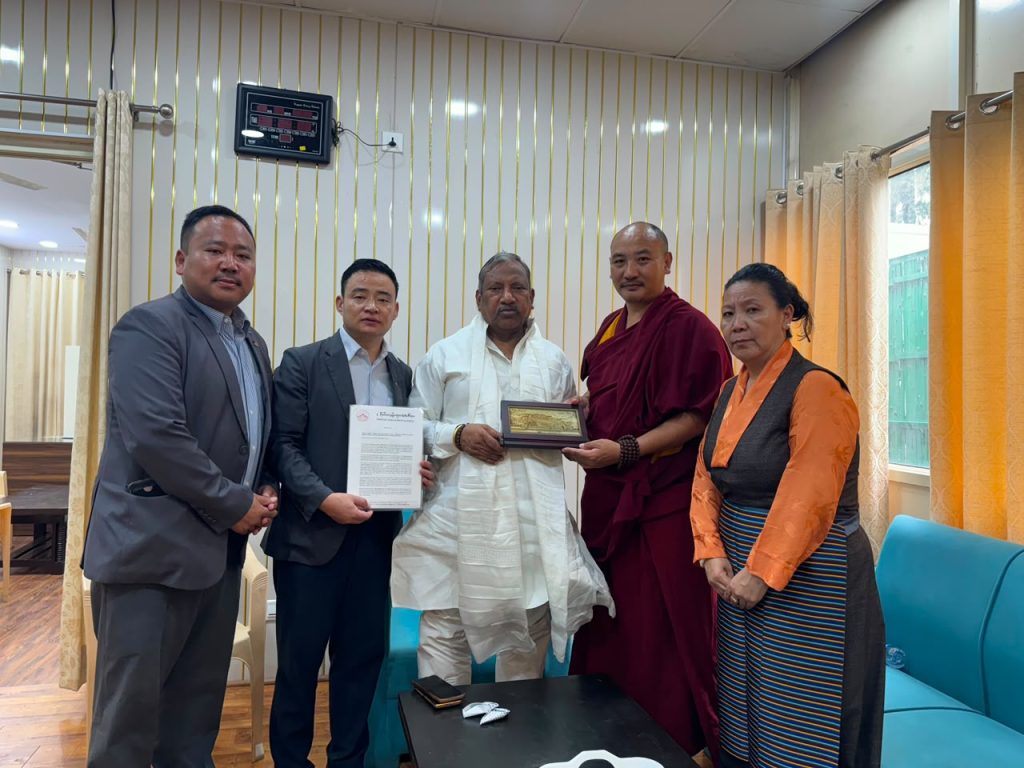
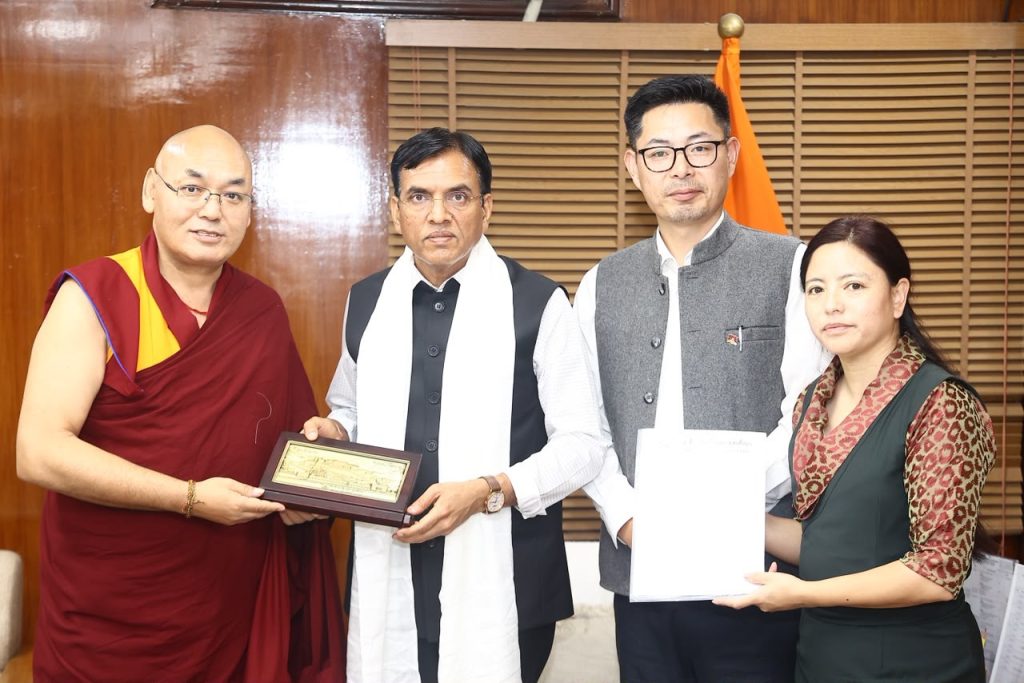
As part of the advocacy initiative, the delegation held meetings with Shri Dr. Mansukh Laxmanbhai Mandaviya, Union Minister of Labour and Employment and Union Minister of Youth Affairs and Sports; Shri Ramdas Bandu Athawale, Union Minister of State for Social Justice and Empowerment; Shri Prof. S. P. Singh Baghel, Union Minister of State for Law and Justice; and Shri Shripad Yesso Naik, Union Minister of State for Power and New and Renewable Energy.
The advocacy campaign commenced on 27 July 2026, with the Standing Committee dividing into two groups. The first group comprised Deputy Speaker Khenpo Sonam Tenphel and Parliamentarians Choedak Gyatso and Gyaltsen Choekye Gagya, while the second group comprised Parliamentarians Lopon Thupten Gyaltsen, Lobsang Thupten Pontsang, and Gonpo Dhundup.
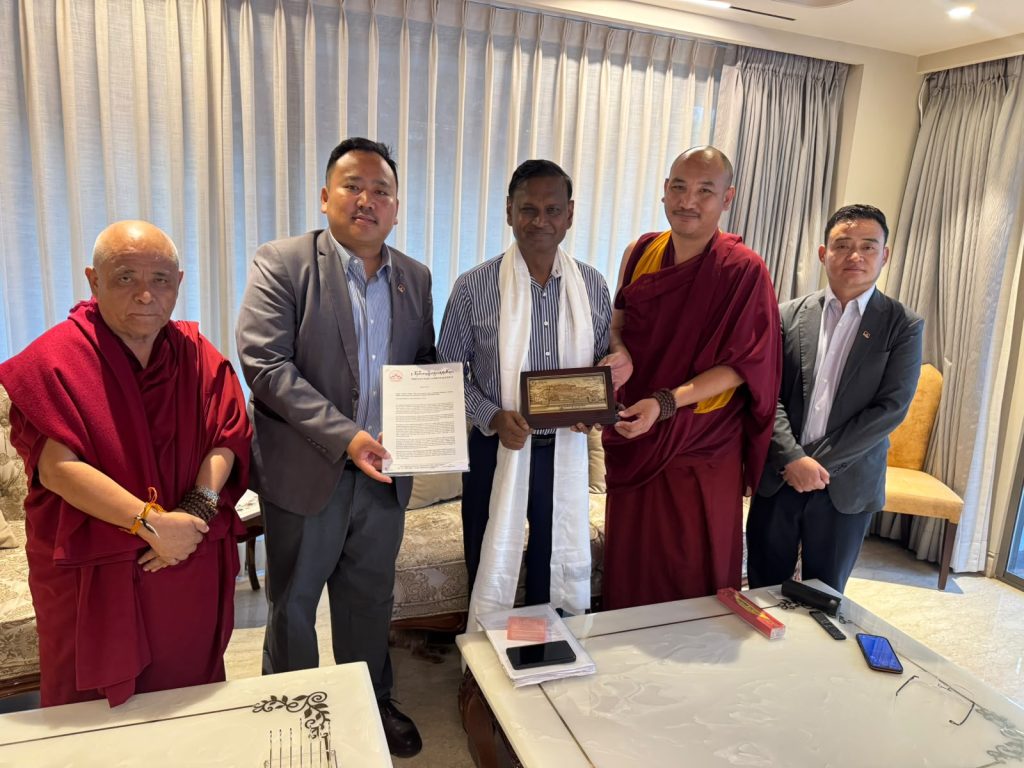
On the final day of the advocacy program, the parliamentary delegation met with Shri Dr. Mansukh Laxmanbhai Mandaviya, Union Minister of Labour and Employment and Union Minister of Youth Affairs and Sports; Shri Bhartruhari Mahtab, Member of Lok Sabha (BJP) and Convener of the All-Party Indian Parliamentary Forum for Tibet (APIPFT); Shri Kaushalendra Kumar, Member of Lok Sabha representing Janata Dal (United); and Shri Dr. Udit Raj, National Spokesperson of Indian National Congress and National President of Confederation of Dalit, OBC, Minorities, and Adivasi Organisation.
During the meetings, the delegation expressed grave concern over the People’s Republic of China’s newly enacted Ethnic Unity and Progress Law, stating that it creates a legal framework that could accelerate the forced assimilation of Tibetans, Uyghurs, Southern Mongolians, and other non-Han communities, placing their distinct languages, religions, cultures, and identities at increasing risk.
The delegation also drew attention to the self-immolation of Tibetan activist Lobga Rangzen outside the United Nations Headquarters in New York on 2 July 2026. They described the act as a protest against the PRC’s newly enacted legislation and urged Indian parliamentarians to take note of the deteriorating situation affecting the Tibetan people.
Furthermore, the delegation stressed that the implications of the law extend well beyond China’s borders. According to the representatives, the legislation strengthens the Chinese Communist Party’s capacity to intimidate, monitor, and influence Tibetan communities living abroad. They cautioned that Tibetans residing in India and other democratic countries could face increased transnational repression, raising broader concerns about democratic sovereignty, civil liberties, and fundamental freedoms.
During the meetings, the Tibetan Parliament-in-Exile appealed to Members of the Indian Parliament to:
- Raise awareness of the implications of China’s Ethnic Unity and Progress Law within Parliament and relevant parliamentary committees.
- Support the cultural, linguistic, and religious rights of the Tibetan people and other affected nationalities.
- Oppose all forms of transnational repression that threaten democratic freedoms and the security of Tibetan communities living in India.
- Recognise that Tibet was historically an independent nation prior to its forceful invasion and occupation by the People’s Republic of China.
- Urge the leadership of the People’s Republic of China to engage in peaceful dialogue to resolve the Tibet–China conflict and continue India’s long-standing support for the peaceful and non-violent aspirations of the Tibetan people in accordance with the vision of His Holiness the Dalai Lama.
The delegation also presented Members of Parliament with the Tibetan Parliament-in-Exile’s Official Resolution condemning the People’s Republic of China’s Ethnic Unity and Progress Law, an Official Resolution expressing solidarity with the critical situation inside Tibet, and the Official Statement of the Tibetan Parliament-in-Exile on the self-immolation protest for the cause of Tibet by patriotic hero Lobga Rangzen.
Throughout the advocacy program, the parliamentary delegation was accompanied by Parliamentary Secretariat officials and staff members Tsering Lhamo, Tenzin Choeying, Phuntsok Gyatso, and Tenzin Palden.