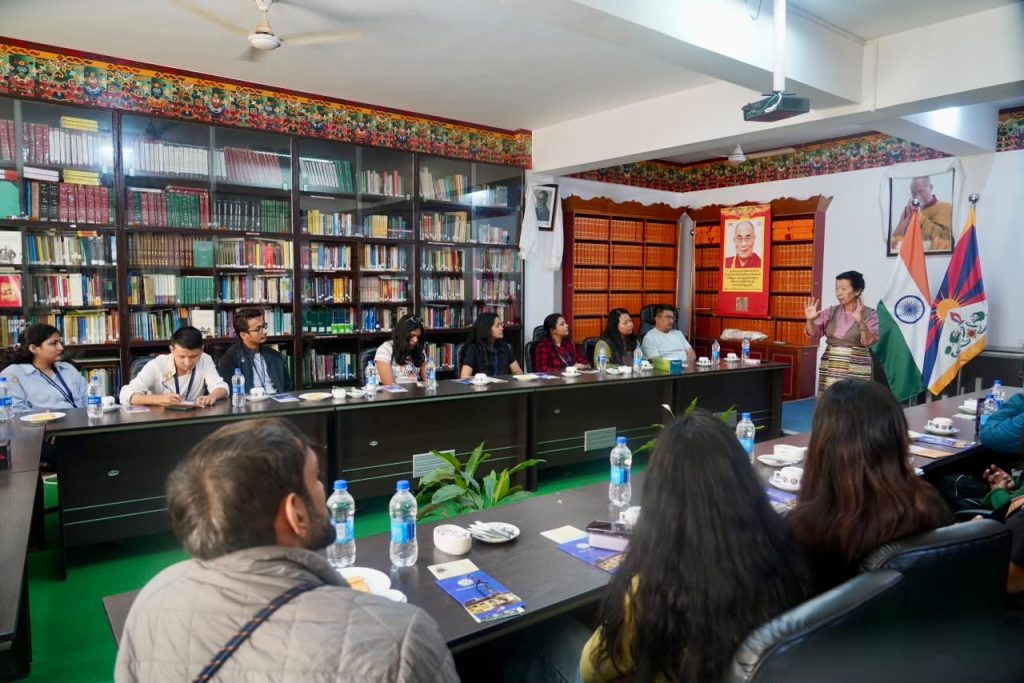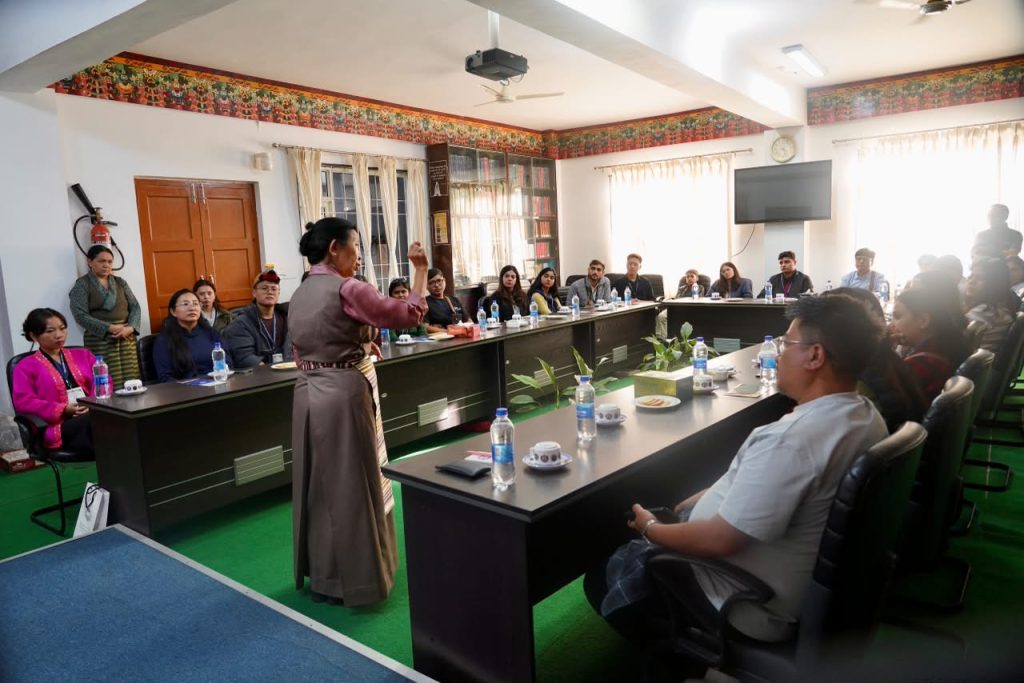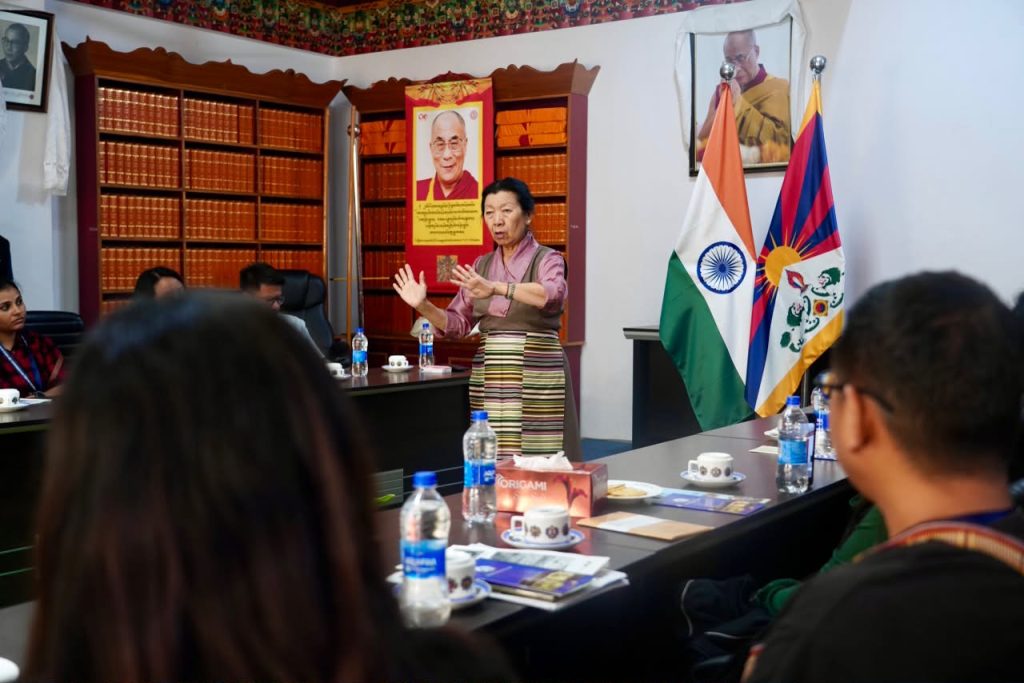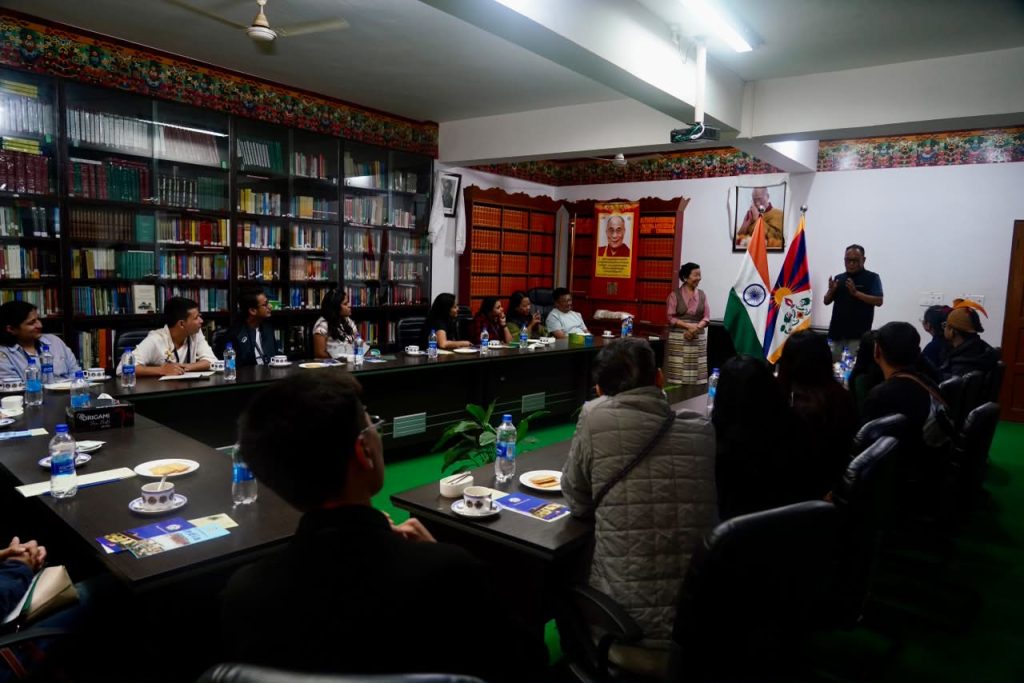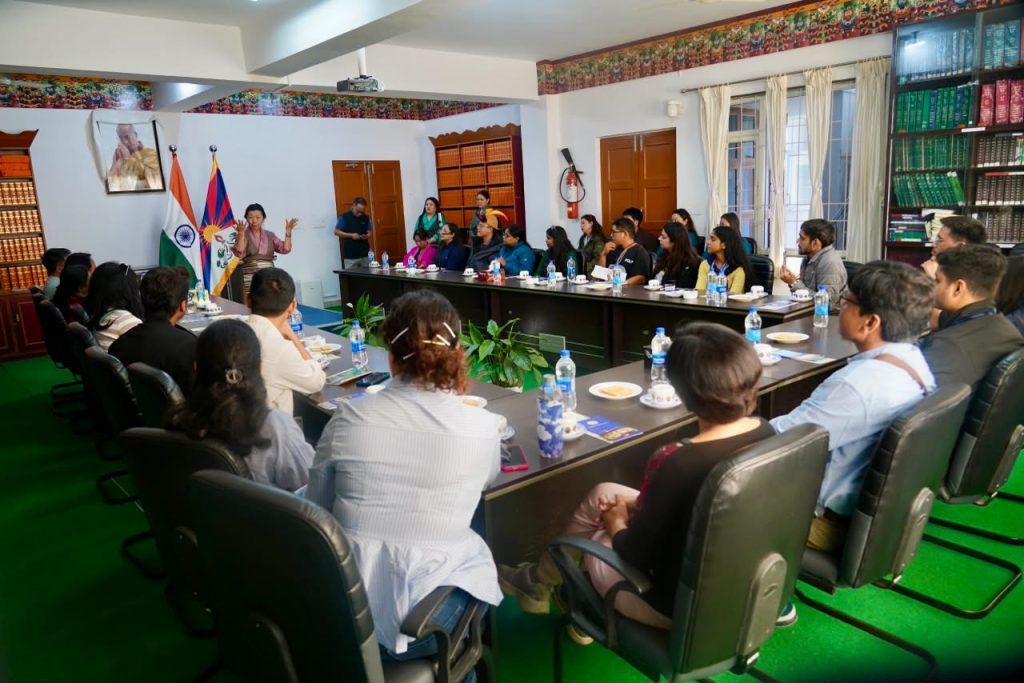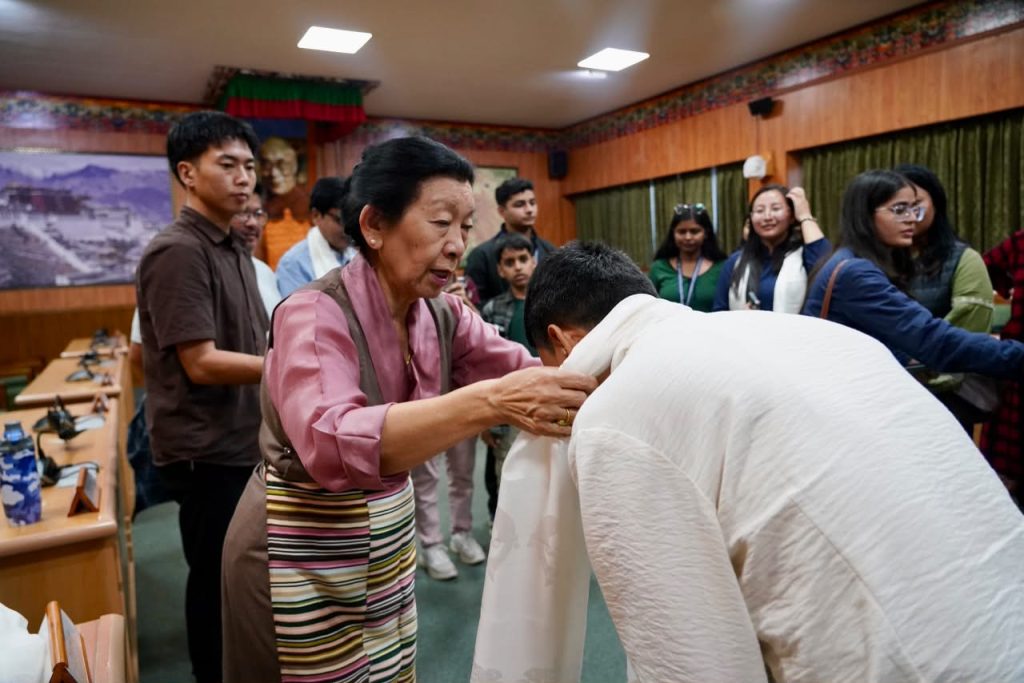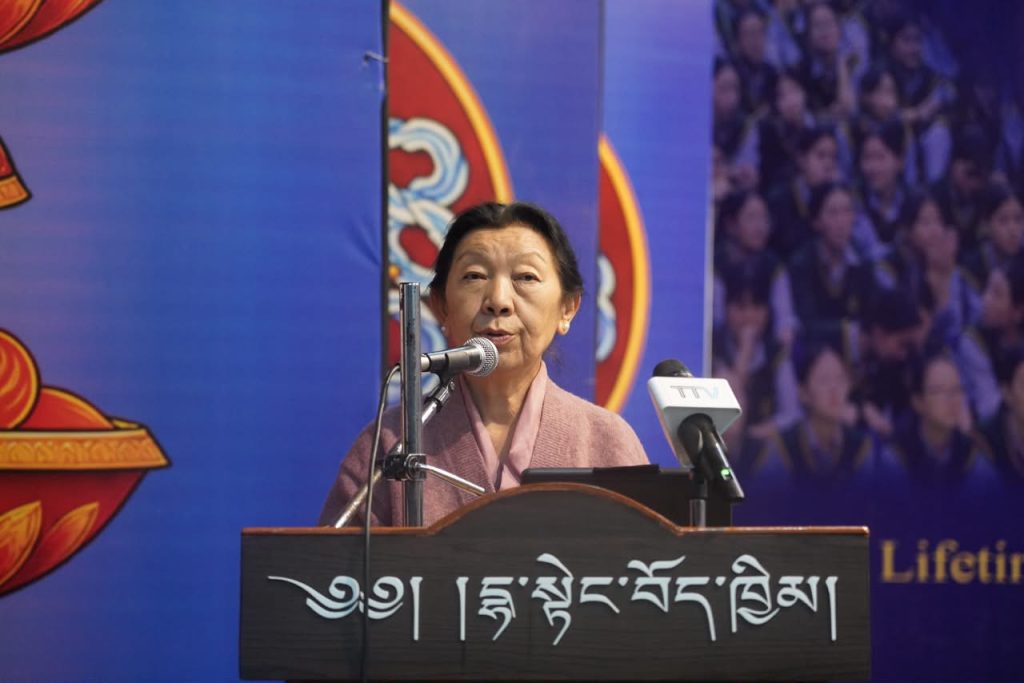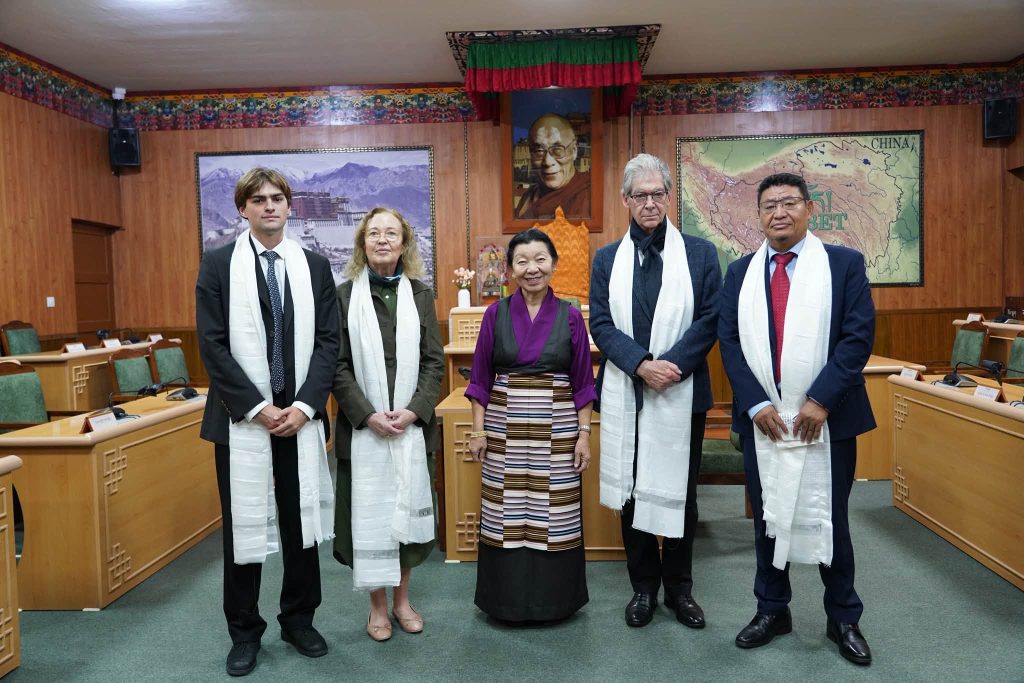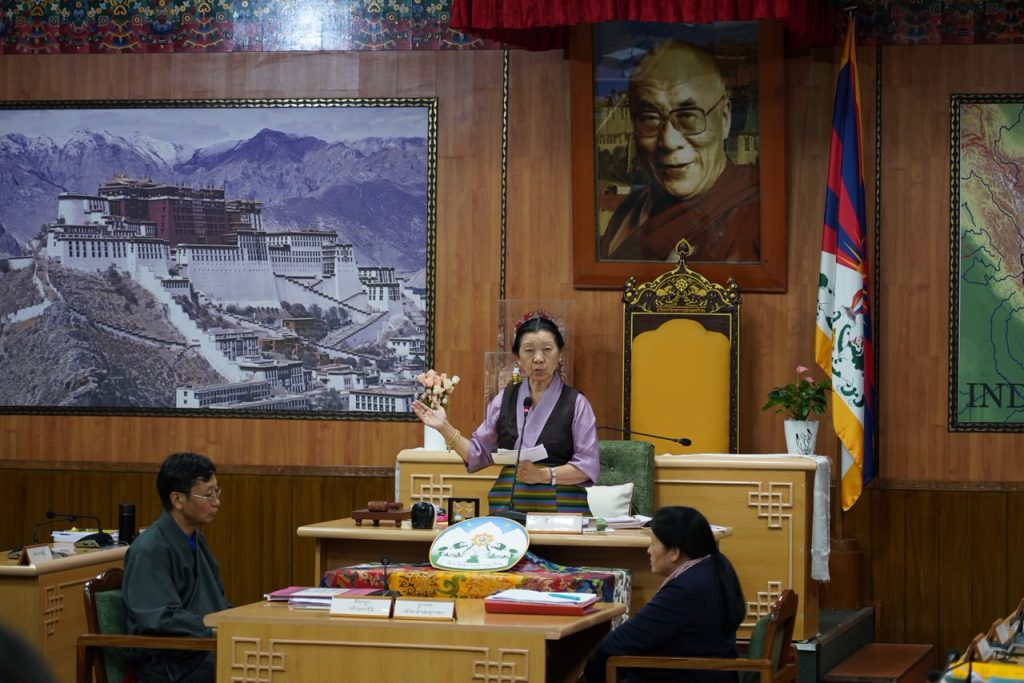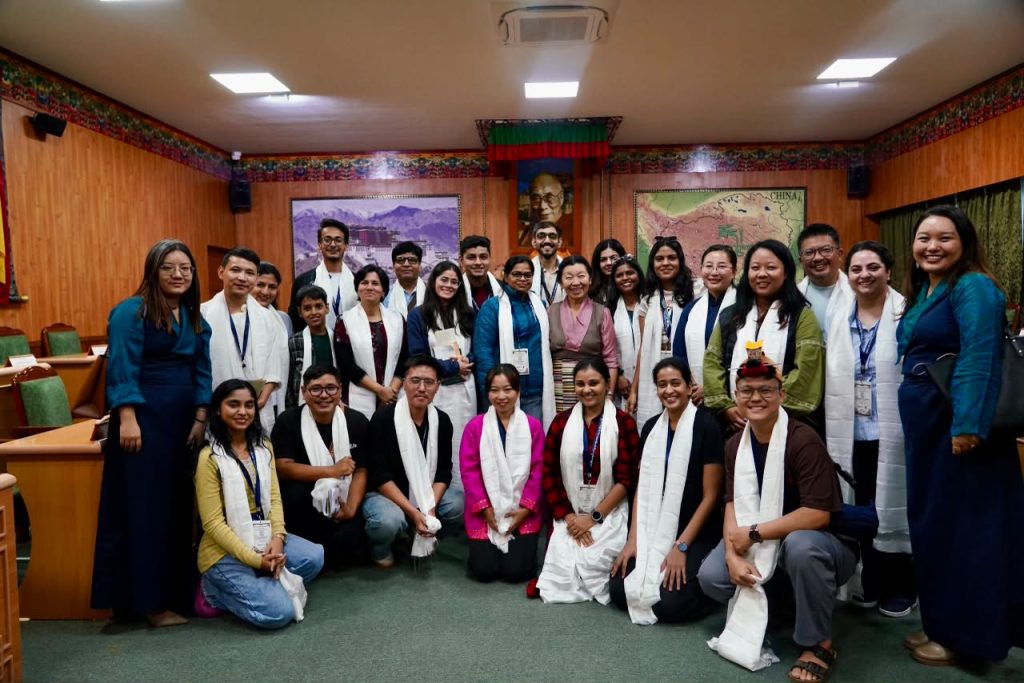
Dharamshala, 7 October 2026: Participants of the 8th Young Indian Scholars’ Conference on Tibetan Studies met with Speaker Dolma Tsering Teykhang of the Tibetan Parliament-in-Exile on 7 October at the Standing Committee Hall of the Tibetan Parliament-in-Exile.
The delegation comprised 29 young Indian scholars and researchers participating in the conference, led by researchers from the Tibet Policy Institute (TPI) of the Central Tibetan Administration.
Addressing the scholars, Speaker Dolma Tsering Teykhang highlighted the importance of studying Tibet beyond its political dimension, underscoring its broader geopolitical, strategic, and ecological significance for Asia, particularly for India. She emphasised that developments in Tibet have far-reaching implications for the region, given its strategic location and its vital role as the source of major rivers that sustain millions of people across Asia.
The Speaker also expressed concern over the PRC’s so-called “Ethnic Unity and Progress Law,” warning that such policies pose a serious threat to the distinct civilisational identity of the Tibetan people. She said the legislation forms part of broader efforts to undermine and erase Tibet’s rich cultural, religious, and linguistic heritage.
Describing the current situation in Tibet, the Speaker said that Tibet under the PRC has entered one of the darkest phases of its history, where “human dignity is under siege, faith is criminalised, truth is censored, and injustice wears the mask of development.”
Highlighting the inclusive nature of Tibetan culture and its deep connection with the preservation of the fragile biodiversity and unique ecology of the Tibetan Plateau, the Speaker encouraged the young scholars to look beyond books and academic papers in their research. She urged them to engage with oral histories and connect with individuals who have had first-hand experience of Tibetan life and society, both before and after Tibet’s occupation by the PRC.
The Speaker concluded her interaction by providing an overview of the evolution, composition, and functioning of the Tibetan Parliament-in-Exile, before opening the floor for a question-and-answer session. The young Indian scholars were subsequently taken on a guided tour of the Parliament Hall, where they were briefed on its functioning and institutional role.
The interaction provided the young scholars an opportunity to engage with the Speaker on issues concerning Tibet’s political status, cultural preservation, environmental significance, and the wider implications of developments on the Tibetan plateau for India and the rest of Asia.