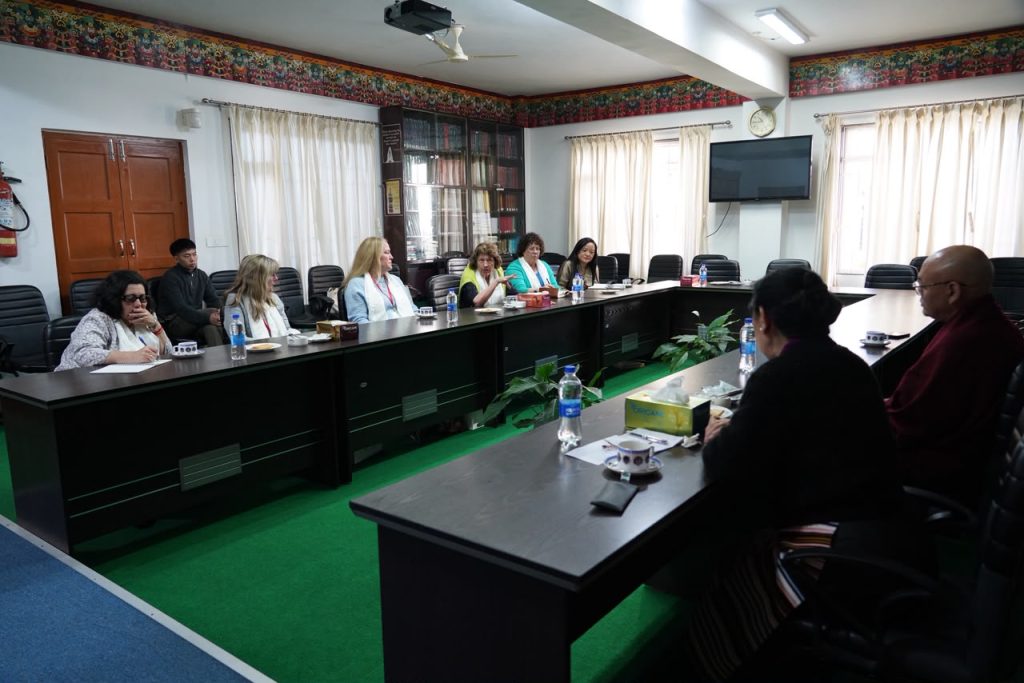
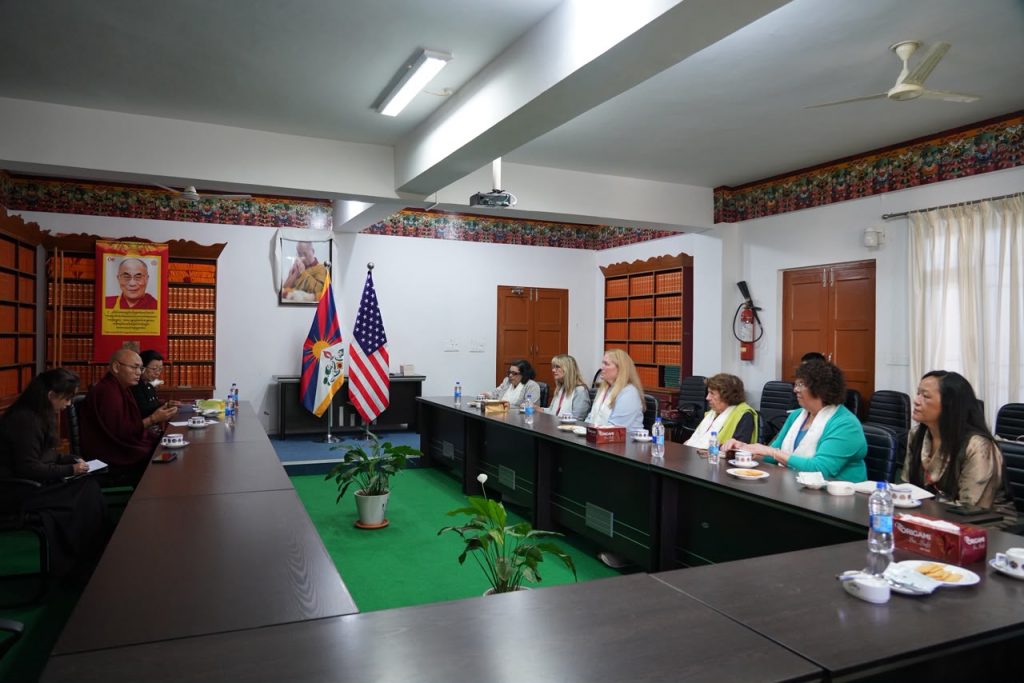
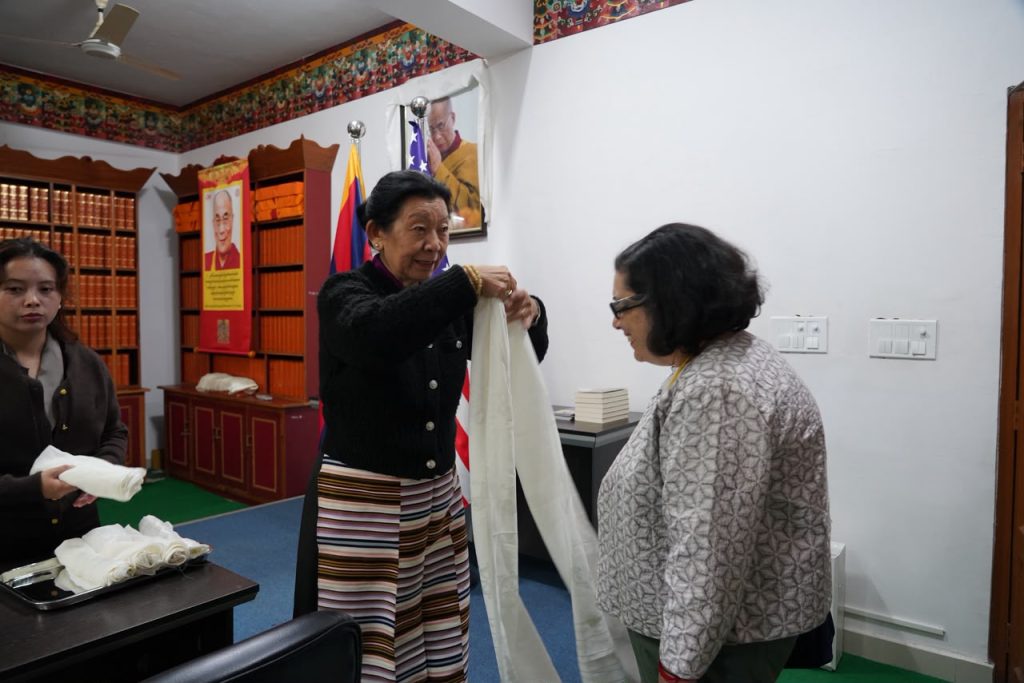
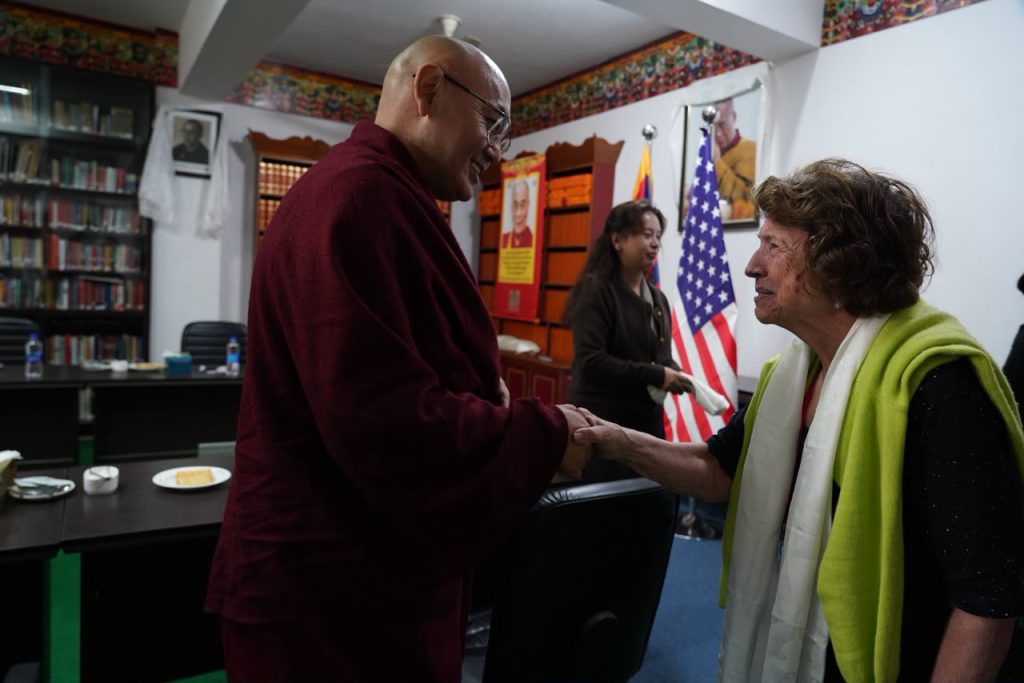
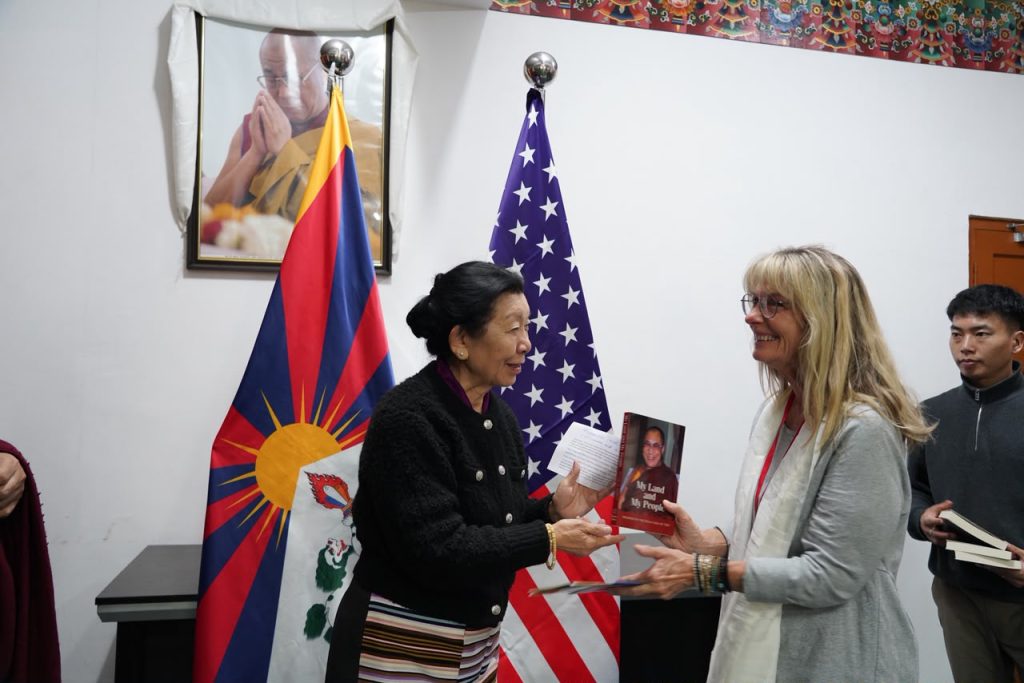
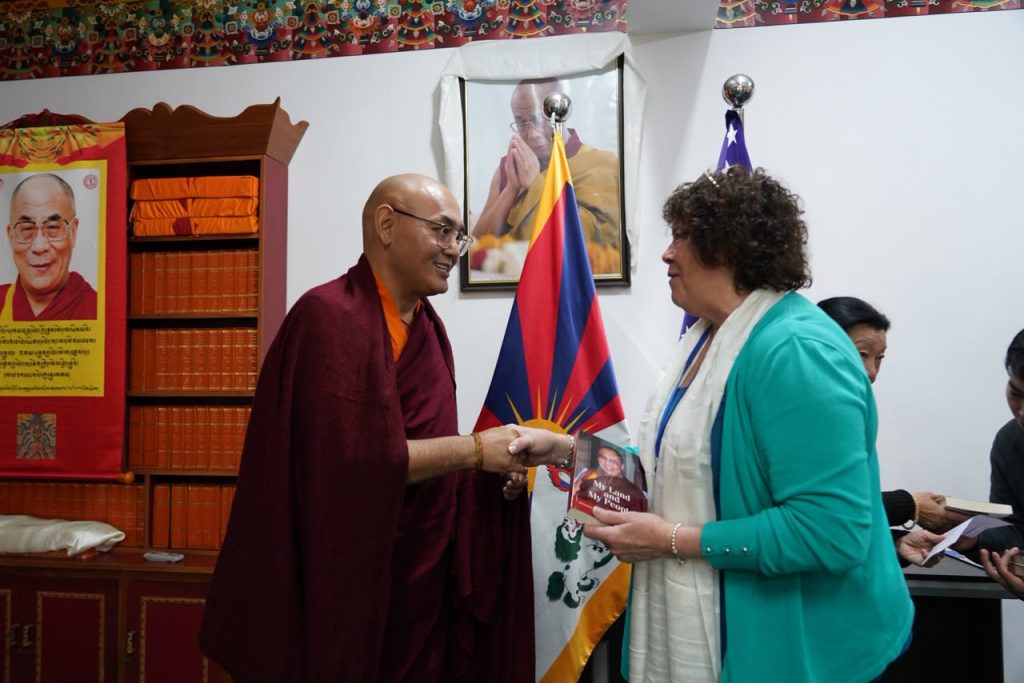
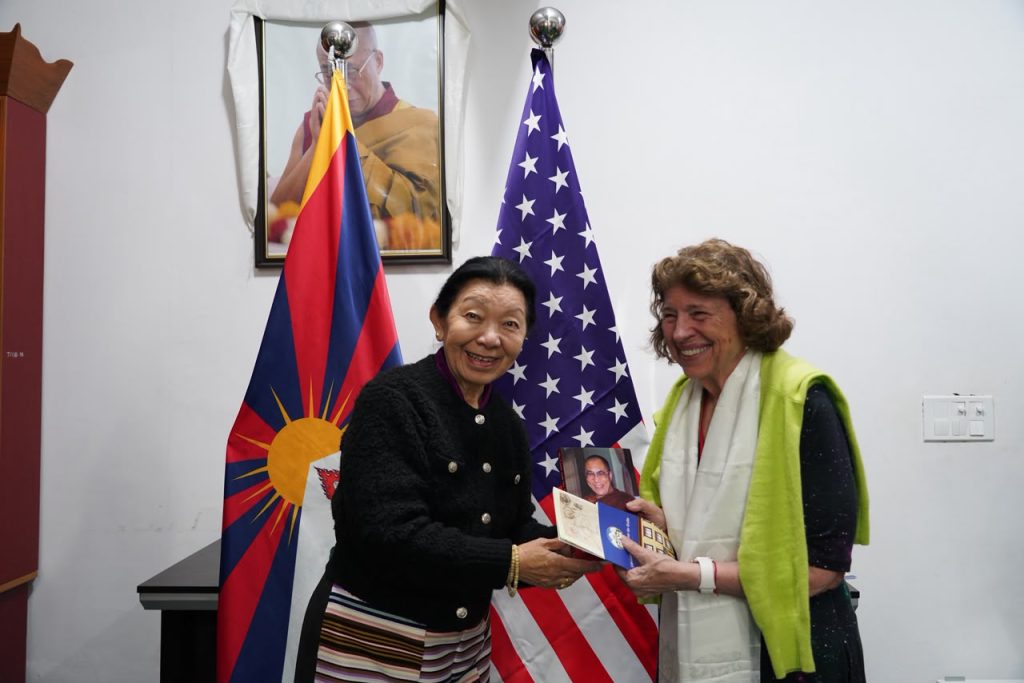
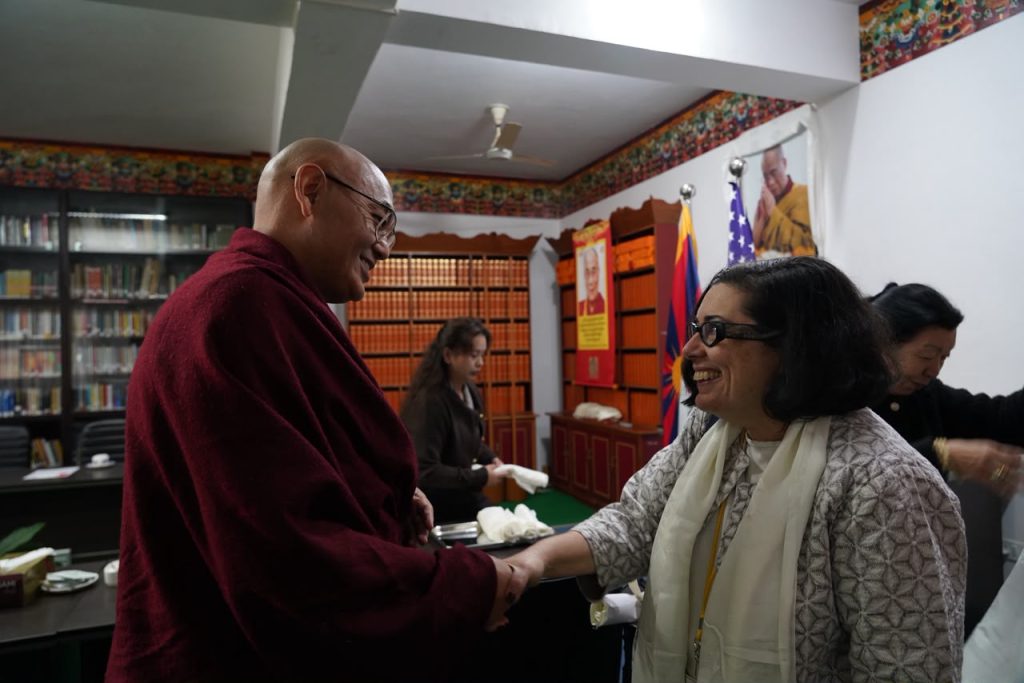
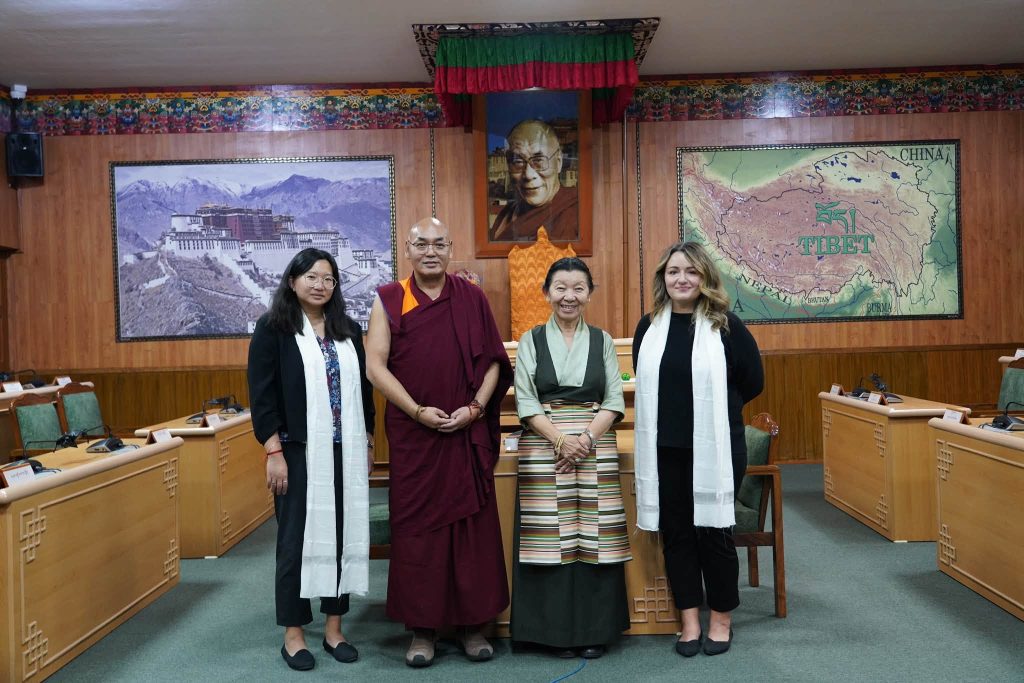
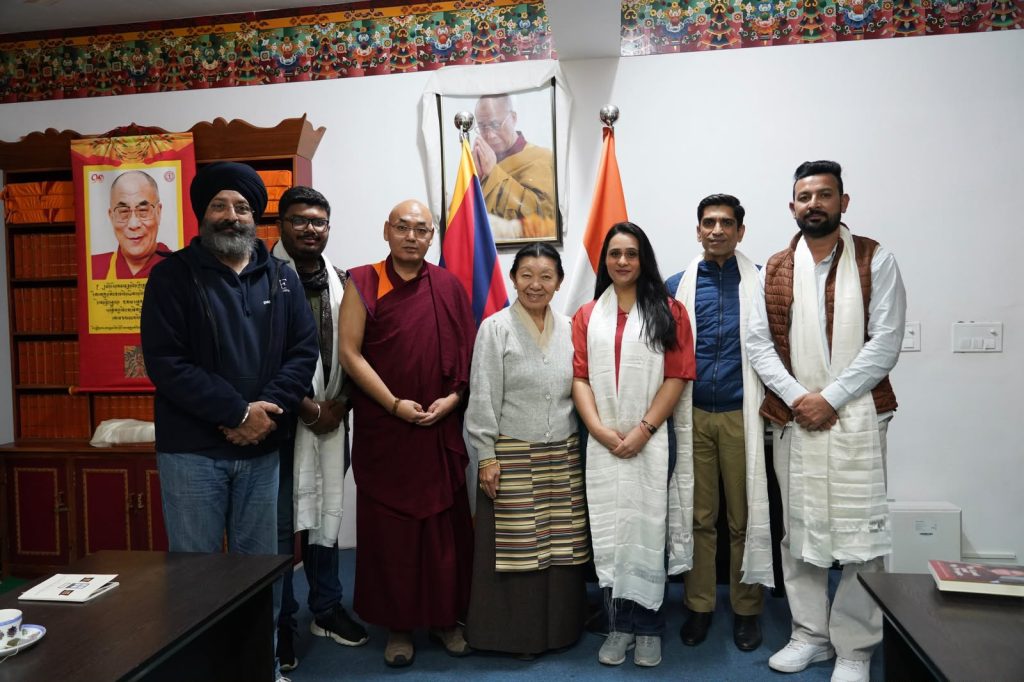
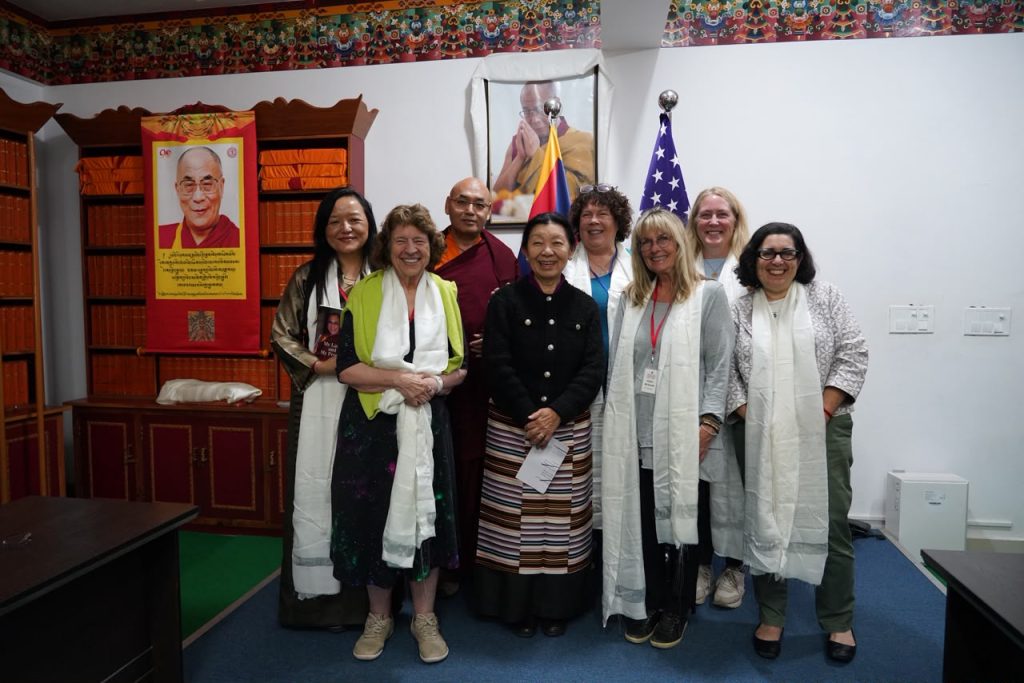
 Dharamshala: A delegation from the International Campaign for Tibet (ICT) visited the Tibetan Parliament-in-Exile on 19 October 2026.
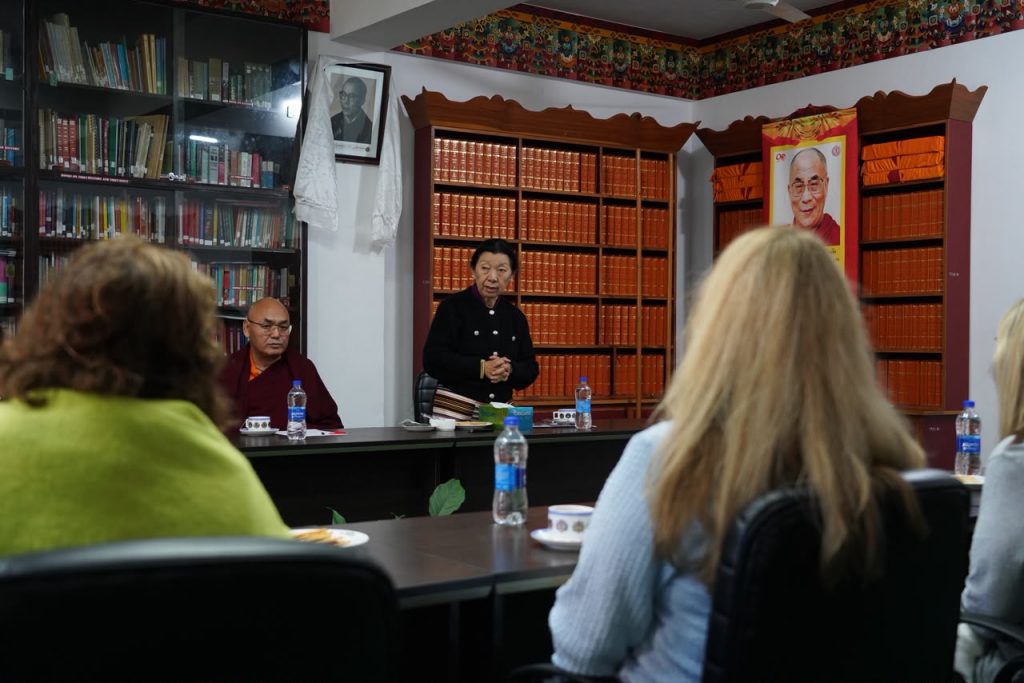
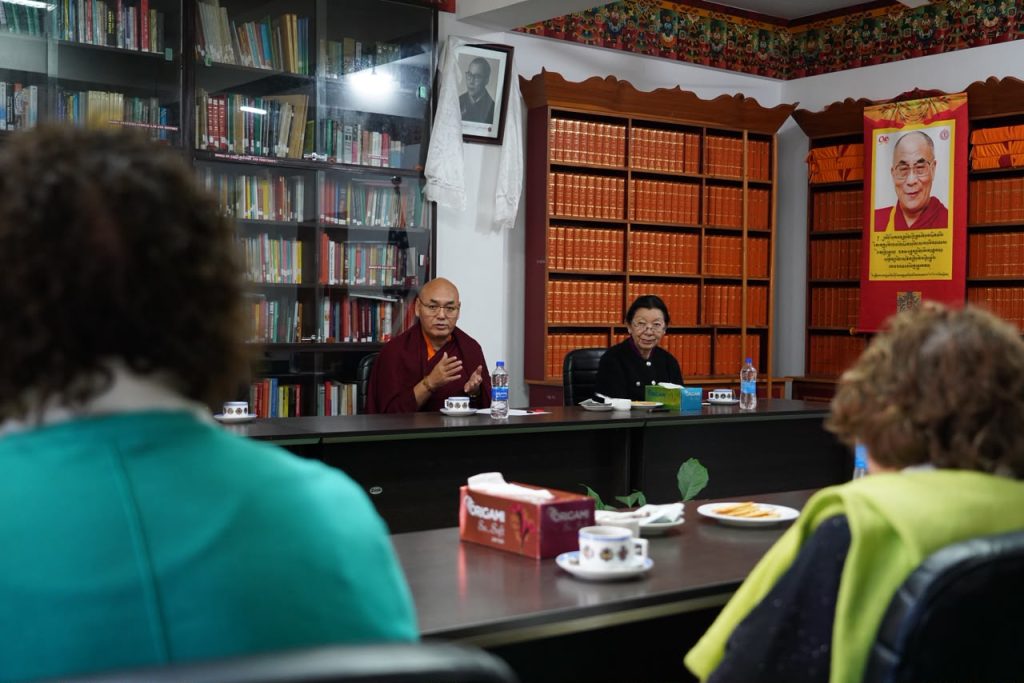
During the visit, the delegation met with Speaker Dolma Tsering Teykhang and Deputy Speaker Khenpo Sonam Tenphel, who provided an overview of the Parliament’s structure, history, and functioning, as well as the critical situation in Tibet under the occupation of the People’s Republic of China (PRC). Following the meeting, the delegation was given a tour of the Parliament Hall.
Welcoming the visiting delegates, the Deputy Speaker expressed his gratitude to the ICT for its decades-long contribution to advocacy for Tibet. He explained that, with the blessings of His Holiness the 14th Dalai Lama and the support of India, the United States, and many other countries, the Central Tibetan Administration (CTA) has not only brought the Tibetan political struggle to the international stage but has also preserved and promoted Tibet’s distinct cultural, linguistic, and religious heritage throughout more than six decades of life in exile.
The Deputy Speaker also outlined the evolution of Tibetan democracy, describing it as a gift from His Holiness the 14th Dalai Lama to the Tibetan people. He highlighted His Holiness’ visionary decision to introduce reserved seats for women in the Tibetan Parliament-in-Exile just four years after its establishment. This historic initiative laid the foundation for greater participation by Tibetan women in leadership, paving the way for women to assume prominent political and administrative positions within the CTA today.
Speaker Dolma Tsering Teykhang expressed her appreciation for the visit of the all-women delegation and briefed the delegates on the critical situation inside Tibet. She noted that, of the 157 documented cases of self-immolation by Tibetans in Tibet in protest against PRC rule, the majority involved young Tibetans who had never experienced an independent Tibet or seen His Holiness the Dalai Lama in person. She underscored the desperation that had driven these Tibetans to such extreme acts of protest, despite the severe intimidation, hardship, and repercussions faced by their surviving family members and relatives.
The Speaker also drew attention to the PRC’s broader campaign of Sinicization, highlighting policies and regulations such as the so-called Ethnic Unity and Progress Law and the coercive placement of Tibetan children in colonial-style boarding schools. These measures, among others, reflect China’s systematic efforts to undermine Tibet’s language, culture, and religion.
Other significant issues raised during the meeting included the grave human rights situation in Tibet, China’s use of the “One China” policy to legitimize its claims over Tibet, and the environmental challenges arising from China’s unchecked exploitation of the Tibetan Plateau.